Physical Address
304 North Cardinal St.
Dorchester Center, MA 02124
Physical Address
304 North Cardinal St.
Dorchester Center, MA 02124


Ozone water treatment uses ozone gas (O3) — one of the most powerful oxidizing agents found in nature — to purify, disinfect, and decontaminate water. It is used in municipal drinking water plants, swimming pools, spas, industrial processes, food safety, and home water systems worldwide.
This guide covers everything you need to know about ozone water treatment: the science behind it, how it compares to other methods, where it is used, and whether it is right for your application.
Ozone is a molecule made of three oxygen atoms (O3) instead of the two atoms (O2) that make up the oxygen we breathe. That extra atom makes ozone unstable and highly reactive — it wants to give away its third atom to any organic material, pathogen, or chemical compound it contacts.
When ozone reacts with a contaminant, it oxidizes (breaks down) the contaminant and then reverts to ordinary oxygen. This means ozone leaves no chemical residual in the water — only oxygen remains after treatment.
Ozone occurs naturally in the Earth’s atmosphere, where it is produced by lightning and ultraviolet radiation from the sun. The distinctive fresh smell after a thunderstorm is ozone. In water treatment, ozone is generated on-site and injected into water to achieve the same powerful oxidation effect in a controlled environment.
For a deeper look at ozone fundamentals, see our page on what ozone is and how it works.
Ozone purifies water through three primary mechanisms:
Ozone directly attacks the cell walls of bacteria, viruses, and protozoa. Unlike chlorine, which must penetrate and poison organisms from the inside, ozone ruptures cell membranes on contact. This makes ozone effective against chlorine-resistant pathogens like Cryptosporidium and Giardia — organisms that can survive for days in chlorinated water.
Ozone kills bacteria 3,000 times faster than chlorine and is 50 times more effective at the same concentration. It destroys 99.99% of waterborne pathogens within seconds at proper dosing.
Ozone breaks down dissolved organic compounds — pesticides, pharmaceuticals, taste and odor compounds, natural organic matter, and industrial chemicals. Many of these compounds pass through conventional filtration untouched. Ozone converts them into simpler, often harmless byproducts.
This is why ozone-treated water often tastes and smells better. The compounds responsible for unpleasant flavors and odors are destroyed during treatment. Read more about how ozone improves water taste.
When ozone reacts with dissolved metals (iron, manganese) and organic particles, it converts them from dissolved to particulate form. These particles then clump together (flocculate) and become large enough to be captured by filters. This secondary effect improves downstream filtration efficiency and water clarity.
Since ozone is unstable and cannot be stored or transported, it must be generated on-site wherever it is needed. Two methods dominate:
An electrical arc (corona) passes through a gap between two electrodes, splitting oxygen molecules that then reform as ozone. This method produces high concentrations of ozone and is used in virtually all large-scale water treatment applications — from municipal plants treating millions of gallons per day to commercial swimming pools.
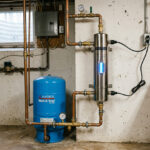
A specialized ultraviolet lamp emits light at 185 nanometers, which has enough energy to split oxygen molecules into ozone. UV generation produces lower ozone concentrations than corona discharge but is simpler, cheaper, and suitable for smaller applications like residential pools and point-of-use water treatment.
For pool-specific applications, see our detailed comparison of corona discharge vs UV ozone generators.
Over 3,000 municipalities worldwide use ozone as a primary or secondary disinfectant for drinking water. Cities including Los Angeles, Dallas, Orlando, and many European capitals have adopted ozone treatment to reduce chlorine use, improve taste, and destroy emerging contaminants like pharmaceuticals and personal care products.
Ozone is particularly valued in drinking water treatment for its ability to destroy taste and odor compounds (geosmin and MIB) that chlorine cannot address, and for breaking down disinfection byproduct precursors before final chlorination.
Ozone reduces chlorine demand in pools by 60–90%, producing softer, clearer water with fewer chemical byproducts. It eliminates chloramines — the compounds responsible for “pool smell” and eye irritation — and destroys chlorine-resistant pathogens.
For a complete guide to pool ozone systems, see our ultimate guide to pool ozone systems.
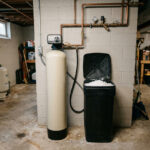
Point-of-entry (whole house) and point-of-use ozone systems are growing in popularity for residential water treatment. They address iron, manganese, hydrogen sulfide (rotten egg smell), bacteria, and organic contaminants without adding chemicals to the water supply.
Compare ozone to other home filtration methods in our carbon vs ozone vs UV comparison.
Ozone is used across industries for water treatment, disinfection, and process applications:
The majority of bottled water brands use ozone as the final disinfection step before sealing. Ozone disinfects the water and the interior of the bottle simultaneously, then breaks down into oxygen before the consumer opens it — leaving no taste, odor, or chemical residual.
| Feature | Ozone | Chlorine | UV-C (254nm) | Reverse Osmosis |
|---|---|---|---|---|
| Pathogen kill rate | Fastest | Moderate | Fast | Physical removal |
| Kills Crypto/Giardia | Yes | Poorly | Yes | Yes (removes) |
| Removes chemicals | Yes (oxidizes) | No | No | Yes (filters) |
| Improves taste/odor | Yes | Worsens | No effect | Yes |
| Chemical residual | None | Yes | None | None |
| Byproducts | Minimal (bromate possible) | THMs, HAAs | None | Brine waste |
| Energy use | Moderate | Low | Low | High |
| Best for | Disinfection + oxidation | Residual protection | Point-of-use disinfection | Contaminant removal |
For detailed comparisons, explore: ozone vs chlorine, ozone vs UV, and ozone vs salt water systems.
Yes, when properly designed and operated. Ozone has been used safely in water treatment for over 100 years — since 1893 in the Netherlands and 1906 in Nice, France. Today, thousands of water utilities and millions of pool owners use ozone without incident.
The key safety considerations are:
For a deeper discussion, see our article on ozone water treatment safety.
Ozone water treatment has a rich history spanning more than a century:
For the full history, visit our history of ozone page.
The most advanced form of ozone water treatment combines ozone with UV light or hydrogen peroxide to produce hydroxyl radicals — the most powerful oxidizing agent available for water treatment.
Hydroxyl radicals are 2 times more reactive than ozone alone and can destroy contaminants that even ozone cannot break down efficiently, including certain pharmaceutical compounds and industrial chemicals.
AOP is increasingly used in:
Learn more: what is AOP and AOP for beginners.
Depending on your application, start with the relevant guide:
Michael Torres is a certified water treatment engineer with over 15 years of experience evaluating ozone and advanced oxidation systems. He reviews commercial and residential pool equipment and reports on system performance across facilities in North America.