Independent buying guides for home air, water and safety.
As an Amazon Associate, Delozone earns from qualifying purchases.
Independent buying guides for home air, water and safety.
As an Amazon Associate, Delozone earns from qualifying purchases.



Ultraviolet (UV) pool systems have become one of the most efficient and eco-friendly ways to sanitize residential swimming pools. By using UV-C light to neutralize harmful microorganisms, these systems significantly reduce the need for high chlorine levels while maintaining exceptional water clarity. As homeowners look for safer, low-chemical solutions, UV sanitation has emerged as a leading choice in modern pool maintenance. In this comprehensive guide, we will explore how UV systems work, the benefits they offer, and the best UV pool systems for residential use.
UV pool systems operate by circulating water through a chamber equipped with a UV-C lamp. When the water passes through this chamber, the UV light destroys bacteria, viruses, algae, and other pathogens at a molecular level. Unlike chemical sanitizers, UV does not add anything to the water; instead, it provides immediate neutralization through light exposure. Although UV systems do not replace chlorine entirely, they allow pool owners to maintain significantly lower chlorine levels while still keeping the water safe and sanitized. This advanced sanitation method is particularly appealing for families seeking a more comfortable swimming experience.
UV pool systems offer multiple advantages for residential pool owners. First, they reduce chlorine dependency, minimizing chlorine odors, skin irritation, and eye discomfort. This leads to softer, more pleasant water that swimmers of all ages can enjoy. Second, UV sanitizers are highly effective against chlorine-resistant microorganisms such as Cryptosporidium and Giardia, providing an added layer of protection. Third, UV systems improve overall water clarity by breaking down organic contaminants. Finally, UV sanitation is eco-friendly, as it lowers chemical usage and supports more sustainable pool maintenance.
Selecting the right UV system requires evaluating several technical factors. Flow rate capacity is one of the most important considerations; the unit must match the pool’s pump output to ensure proper exposure time. UV lamp type is another crucial element—high-output UV-C lamps offer superior sterilization and longer life. Homeowners should also consider installation complexity, as some units are designed for DIY setups while others require professional installation. Durability, warranty coverage, and compatibility with existing pool equipment should also factor into the decision. By assessing these criteria, homeowners can choose a UV system that will perform optimally for years.
Below are some of the best UV pool sanitation systems available for residential settings. These selections are based on performance, user reviews, durability, and efficiency.
Affiliate links: As an Amazon Associate, Delozone earns from qualifying purchases, at no extra cost to you. Full disclosure
SpectraLight is widely recognized for delivering high sterilization power and energy-efficient operation. The system features advanced high-output UV-C lamps capable of neutralizing a wide range of contaminants. Its durable aluminum housing and corrosion-resistant components make it a long-lasting choice for residential pools. SpectraLight units are also easy to install and integrate seamlessly with most filtration systems, making them ideal for homeowners seeking a reliable upgrade.
The Delta UV E-Series is designed specifically for residential pools and offers impressive water sanitation capabilities. Its proprietary UV-C technology reduces chemical usage while maintaining excellent water clarity. The system is equipped with a high-quality quartz sleeve for improved light transmission and extended lamp life. Pool owners appreciate its simple installation process and low maintenance requirements. The E-Series is particularly suitable for medium-sized backyard pools.
Pentair’s BioShield UV system is engineered for maximum efficiency, using a specialized chamber design that increases UV exposure time. This results in superior pathogen reduction and cleaner water. The BioShield system is compatible with a wide range of Pentair pumps and filtration systems, making it a popular choice for homeowners who already use Pentair equipment. Its energy-efficient operation and long lamp life make it one of the most cost-effective options on the market.
Hayward offers an innovative UV sanitation system tailored for residential use. The design focuses on optimizing water flow to maximize UV exposure and improve water purity. Hayward’s system is known for its user-friendly interface, high reliability, and easy lamp replacement. The unit integrates well with Hayward’s other pool products, making it a seamless addition to existing setups. Its strong performance and brand reputation make it a dependable choice.
Blue Lagoon systems offer exceptional value for homeowners seeking budget-friendly UV sanitation without compromising performance. The UV-C lamp effectively destroys harmful microorganisms while maintaining low chemical levels. Blue Lagoon units feature durable construction, straightforward installation, and clear maintenance indicators. These systems are especially suitable for small to medium residential pools and provide a solid balance between cost and functionality.
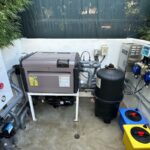
Installing a UV pool system typically involves connecting the UV unit to the pool’s existing filtration system. The ideal placement is after the filter and before any chemical dispensers to ensure maximum exposure to sanitized water. Most systems include mounting hardware, unions, and detailed instructions for proper installation. While experienced homeowners may be able to perform the installation themselves, many prefer professional installation to ensure correct positioning, optimum flow rate, and leak-free connections. Proper installation ensures the system performs efficiently and prolongs equipment life.
UV pool systems are low-maintenance compared to traditional chemical-based sanitation methods. The primary maintenance task is replacing the UV-C lamp, typically once every 12 to 18 months, depending on usage and manufacturer recommendations. It is also essential to keep the quartz sleeve clean to maintain optimal light transmission. Regular inspections of the housing, electrical connections, and water flow ensure that the system remains in top condition. By following simple maintenance routines, homeowners can ensure their UV system provides continuous, reliable sanitation.
While chlorine remains a standard pool sanitizer, UV systems offer significant improvements in user comfort and water quality. Chlorine alone cannot eliminate certain pathogens as effectively as UV light, and high chlorine levels often cause uncomfortable odors and irritation. By combining UV sanitation with a low level of chlorine, pool owners achieve superior disinfection while reducing chemical exposure. This hybrid approach enhances swimmer comfort and promotes a healthier pool environment.
For many homeowners, UV pool systems are an excellent investment. They provide cleaner, safer, and more comfortable water with lower chlorine levels. UV systems also reduce long-term chemical costs, support sustainable water management, and improve overall pool hygiene. Given their durability and low maintenance requirements, UV systems deliver long-term value while enhancing the swimming experience.
UV pool systems have transformed residential pool sanitation by offering a powerful, chemical-reduced approach to maintaining clean, healthy water. With numerous high-quality systems available, homeowners can easily find a model that suits their pool size, budget, and performance requirements. By understanding how UV technology works and selecting the right system, homeowners can enjoy crystal-clear water and safer swimming for years to come.
A UV pool system is a sanitation device that uses UV-C light to destroy harmful microorganisms in pool water. It reduces chemical usage and enhances water quality.
UV systems do not replace chlorine entirely. They significantly reduce chlorine requirements but still require a low residual level for complete sanitation.
Most UV-C lamps last between 12 and 18 months, depending on usage and manufacturer specifications. Regular inspections ensure optimal performance.
Yes. UV systems are safe and do not introduce chemicals into the water. They make water more comfortable by reducing chlorine levels and eliminating irritants.
Many systems are designed for simple installation. However, professional installation is recommended to ensure proper flow rate, positioning, and long-term reliability.
The Delozone Editorial Team researches water treatment, pool and spa, and indoor air products for independent buying guides. We compare products using manufacturer specifications, certification listings such as NSF/ANSI, UL, AHAM and Energy Star, published third-party test data and verified owner feedback. We do not sell products, and affiliate commissions never decide what we recommend.