Independent buying guides for home air, water and safety.
As an Amazon Associate, Delozone earns from qualifying purchases.
Independent buying guides for home air, water and safety.
As an Amazon Associate, Delozone earns from qualifying purchases.

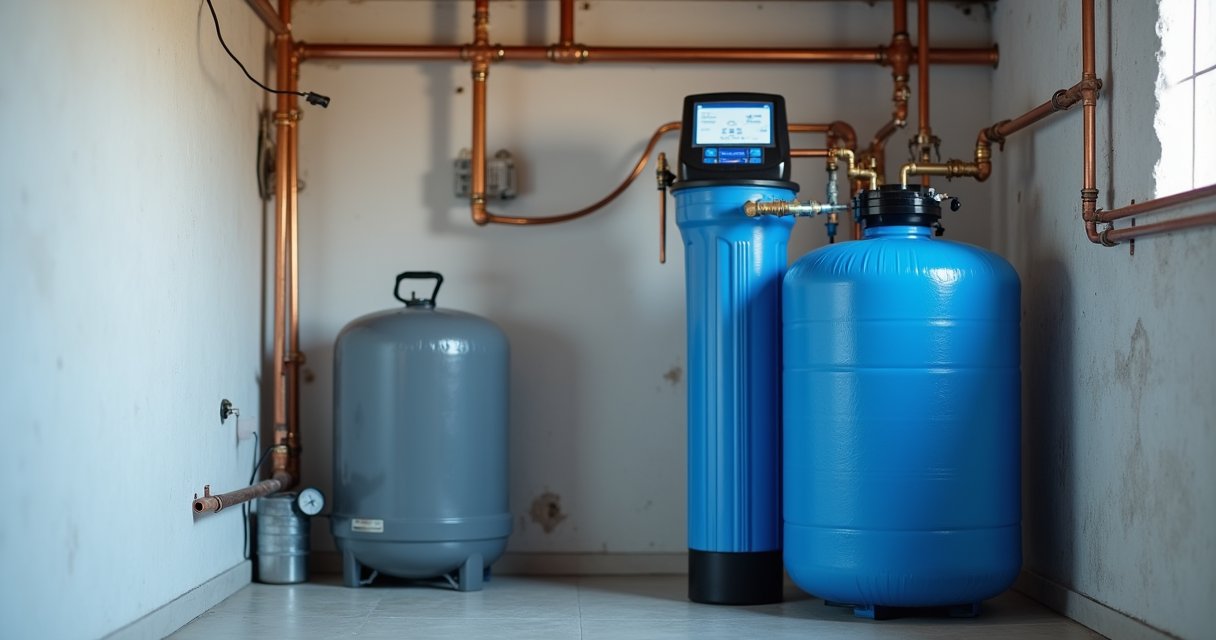

Best well water filter systems have to deal with three problems city filters never see: iron, sulfur and bacteria. Those are the contaminants that stain laundry, coat plumbing and make the morning coffee taste like a nail. Below we compare five whole-house systems that cover light, moderate and heavy well water, using each maker’s published ratings, NSF/ANSI certification listings and EPA guidance, and we explain which iron, sulfur and bacteria level each one is built for.
Affiliate links: As an Amazon Associate, Delozone earns from qualifying purchases, at no extra cost to you. Full disclosure
| Pick | System | Best For | Where to Buy |
|---|---|---|---|
| 🏆 Best Overall | SpringWell WS1 | Iron up to 7 ppm, sulfur, manganese | Check price at SpringWell |
| 💰 Best Budget | iSpring WGB22B-PB | Low-iron wells, sediment and taste | Check price on Amazon |
| ⭐ Best Heavy-Duty | US Water Systems Matrixx inFusion | Heavy iron and strong sulfur | Check price at US Water Systems |
Key Takeaways
We did not install or run these systems ourselves. We compared them on what they are rated to do, using sources anyone can check:
What decides the ranking is fit: how much of the typical private-well problem set (iron, sulfur, manganese, sediment, bacteria) a system is actually rated to handle, and how clearly the maker documents its limits.
To keep the advice concrete, we sort wells into three rough profiles. These are planning brackets, not lab results:
For reference, the EPA secondary (aesthetic) standard for iron is 0.3 mg/L, the same as 0.3 ppm, and staining usually starts close to that level. For manganese the secondary standard is 0.05 mg/L. Neither is a federal health limit, and private wells are not regulated by the EPA at all, so testing and treatment are the owner’s job (EPA, EPA private wells).
Almost every product page claims “NSF certified,” and the phrase on its own tells you very little. The standard number tells you what was evaluated. NSF/ANSI 42 covers aesthetic effects such as chlorine, taste and odor. NSF/ANSI 53 covers health-related contaminants such as lead, cysts and some VOCs. NSF/ANSI 55 covers ultraviolet systems: Class A is for disinfecting water that may be contaminated, Class B is only for supplemental treatment of water that is already considered safe. NSF/ANSI 372 confirms lead-free materials.
A whole-house carbon tank listed only to NSF/ANSI 42 is a taste and odor filter. It will not remove bacteria or arsenic and it is not an iron filter. When a seller cannot show you a listing number, treat the claim as unverified. For the iron filters in this guide, the honest situation is that the oxidizing media and valves may carry component certifications while the iron-removal performance figure is the manufacturer’s own rating; we flag that in each section.
The purchase price is the smaller part of the cost of whole-house filtration. The cheaper the cabinet, usually the more often its cartridges need replacing. To compare systems, look at the maker’s rated media or cartridge life in gallons and months, then multiply by your household use. A four-person household using about 75 gallons per person per day goes through roughly 110,000 gallons a year, so a cartridge rated for 100,000 gallons lasts about a year on clean water and much less on iron-heavy water.
Backwashing tanks work the other way around: more up front, but the media lasts for years. We do not quote prices because they change often; use the “Check price” buttons for current numbers and compare them against the rated media life below.
The five systems below cover the common private-well situations, from light sediment and taste problems to heavy iron and sulfur. Each has a different ceiling, so the right pick depends on what your lab report says, not on which brand is best known.
| System | Best For | Rated Iron Limit | Sulfur (H₂S) | Bacteria | Flow Rate (maker) | Certification notes |
|---|---|---|---|---|---|---|
| SpringWell WS1 | Best overall | 7 ppm | Up to 8 ppm | No | 12 gpm service | Certified components (maker) |
| US Water Matrixx inFusion | Heavy iron and sulfur | 20 ppm | Up to 30 ppm | No UV (peroxide oxidizes, not a disinfection claim) | Model dependent | Maker rating |
| iSpring WGB22B-PB | Budget / light wells | Not an iron filter | No | No | Up to 15 gpm peak | Check listing per cartridge |
| Aquasana Rhino EQ-WELL-UV | Carbon plus UV on low-iron water | Needs under 0.3 ppm for UV | Low levels (KDF, catalytic carbon) | UV, NSF/ANSI 55 Class B | 7 gpm rated, 14.7 gpm peak | UV listed to NSF/ANSI 55 Class B |
| Express Water WH300SCKS | DIY entry system | Not an iron filter | Trace (KDF stage) | No | 15 gpm (0.25 gal/sec) | Check listing per cartridge |
All ratings above are taken from the manufacturers’ own pages and manuals, linked in each section. Ratings describe what a system is designed for under the stated pH, pressure and flow conditions; they are not our measurements.
Iron shows up in several forms and each needs a different approach. Ferrous (clear-water) iron is dissolved and invisible until it hits air; it needs oxidation before it can be filtered. Ferric (red-water) iron is already a particle, so a sediment stage catches much of it. Iron bacteria combine iron and oxygen into rusty deposits and a slimy film on pipes, pumps and fixtures; they are not known to cause disease but can create conditions where other organisms grow. Organic iron, bound to tannins, is less common and often needs a specialist system (Minnesota Department of Health, iron bacteria).
Iron above a few ppm and any active hydrogen sulfide (the rotten-egg smell) need oxidation, not just filtration: an air-injection chamber, a peroxide or chlorine feed, or an oxidizing media such as greensand. Carbon and sediment cartridges on their own plug quickly when the iron load is high.
Bacteria are a separate category. Carbon and sediment filters do nothing reliable against E. coli or total coliform. The residential treatments for bacteria are ultraviolet disinfection and chlorination. None of the iron filters in this guide is a disinfection system; of our five picks only the Aquasana bundle includes UV, and its UV is NSF/ANSI 55 Class B, which is meant for supplemental treatment. If your well tests positive for coliform, find and fix the source, disinfect the well, and add a Class A UV unit downstream of the iron filter. Our UV purifier guide covers those.
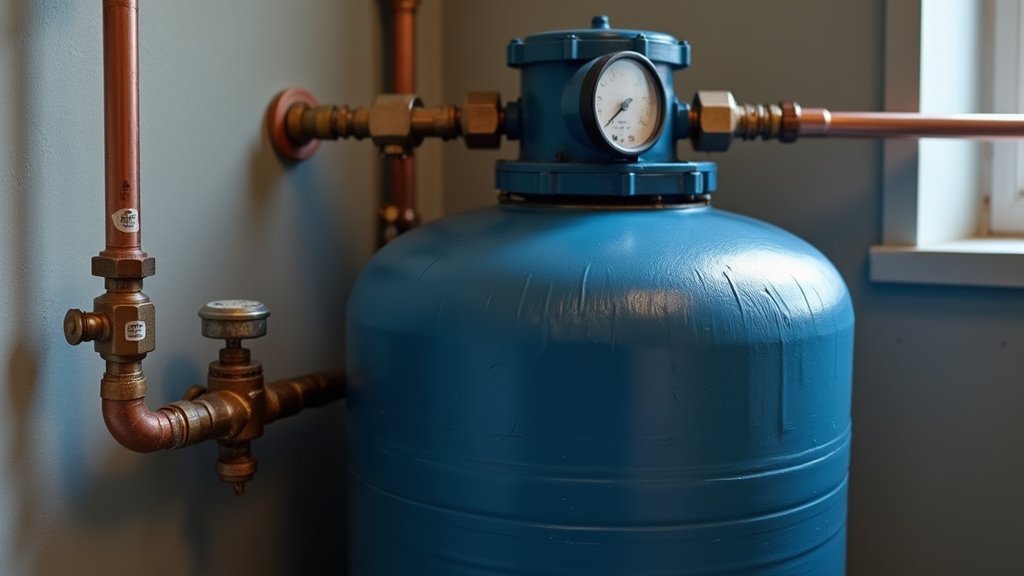
The SpringWell WS1 is the system we suggest first for moderate well water. It is a single-tank air-injection oxidizing filter: the tank keeps an air pocket at the top, and as water passes through it, iron, sulfur and manganese oxidize so the media bed can trap them. A scheduled backwash flushes the trapped particles to drain and refreshes the air pocket, with no chemicals or salt (SpringWell).
SpringWell rates the system for up to 7 ppm iron, 8 ppm hydrogen sulfide and 1 ppm manganese. The WS1 is sized for 1 to 4 bathrooms with a 12 gpm service flow, 1-inch connections, 25 to 80 psi operating pressure and a pH range of 6.5 to 10, per the maker’s spec table. If your iron is close to the 7 ppm ceiling, or your household is larger, SpringWell’s larger WS4 model is the safer size, and we would treat 7 ppm as a real ceiling rather than a stretch goal.
It is a filter, not a softener. Hardness passes through untouched, so hard wells usually pair it with a softener installed after it.
The WS1 arrives with the control head and bypass valve, and SpringWell publishes a step-by-step installation manual. A homeowner who has soldered copper or used push-fit fittings can usually handle it in a day; otherwise a plumber is worth the call. Plan for a standard outlet for the control head and a drain line for backwash water. If your mechanical room has neither, the install gets more involved.
SpringWell describes the system as needing very little maintenance: you set the backwash schedule and the media is regenerated by air. The main ongoing costs are electricity for the valve, occasional valve service and, eventually, a media replacement. The maker backs it with a lifetime warranty and a 6-month money-back guarantee. Of the five systems here, this is the one with the lowest expected running cost on moderate wells, because there are no cartridges to buy.
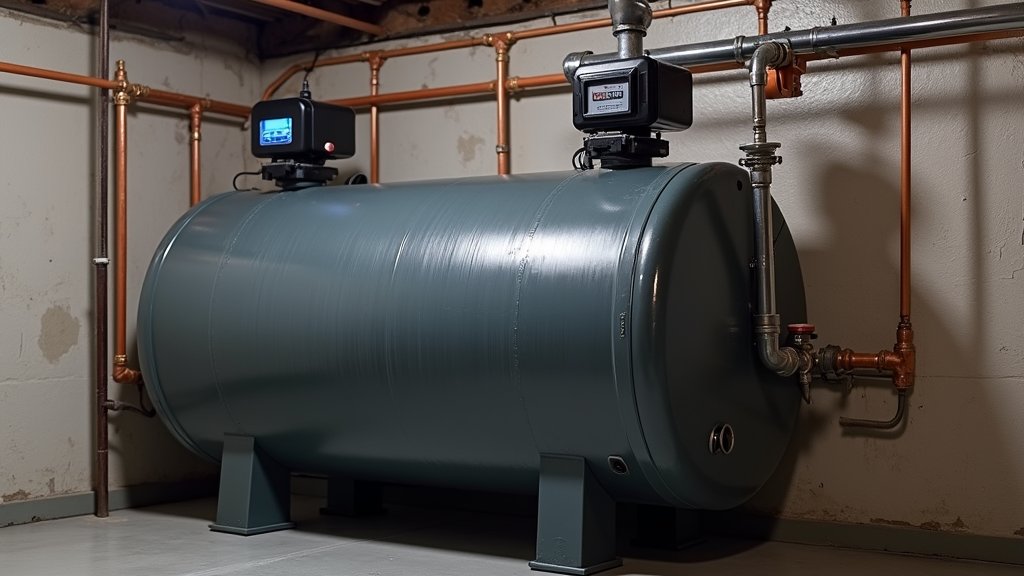
When a lab report comes back with heavy iron and a strong sulfur smell, an air-injection tank may not keep up. The Matrixx inFusion takes a chemical-feed approach: a proportional pump injects hydrogen peroxide ahead of a catalytic carbon tank, which oxidizes iron, manganese and hydrogen sulfide quickly, and the control valve backwashes the bed roughly every two days (US Water Systems).
US Water Systems rates the inFusion for up to 20 ppm iron and up to 30 ppm hydrogen sulfide. That is far above the SpringWell ceiling, and it is the main reason to choose it. Above roughly 20 ppm iron, most residential setups move to chlorine feed with a retention tank, regardless of brand.
An earlier version of this guide described the Matrixx as an ozone system with built-in UV. The current inFusion product uses hydrogen peroxide injection and does not include a UV stage, so if your well also has bacteria, budget for a separate Class A UV unit after it.
You pay for that headroom in complexity: a peroxide supply to refill, an injection pump, a larger tank and a drain line. US Water Systems lists a 5-year warranty on the proportional injection system and a 10-year warranty on the valve and electronics. For light and moderate wells, the SpringWell covers the same ground with fewer moving parts. For heavy wells, the Matrixx is the only system on this list rated for the full problem.
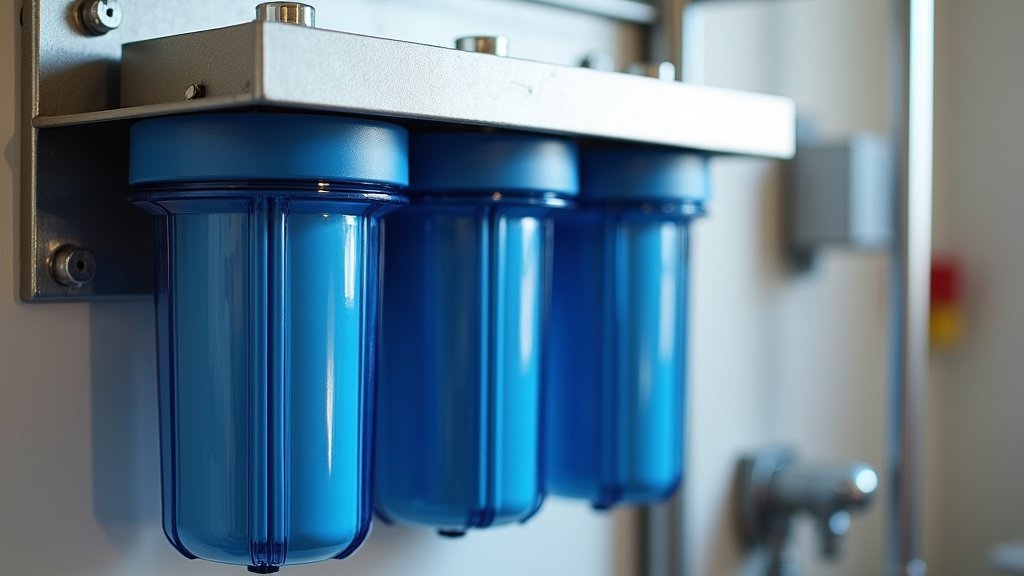
The iSpring WGB22B-PB is the entry point for whole-house filtration. It is a two-stage cartridge system using 20 x 4.5 inch “Big Blue” housings: a sediment cartridge followed by a carbon block, with the PB version adding lead reduction to the carbon stage (iSpring). It is honest about what it does, and it is just as important to know what it does not. Check price on Amazon
iSpring lists a peak flow of up to 15 gpm, 1-inch NPT connections, a working pressure of 25 to 80 psi, a pH range of 6 to 11 and a filtration capacity of up to 100,000 gallons for the WGB22B family. On clean water that is roughly a year for a family of four; sediment or iron in the feed water shortens it.
When cartridges clog, pressure drops noticeably at the shower. That is the cue to swap. A pressure gauge on the inlet and outlet makes the timing obvious.
The WGB22B-PB targets sediment, chlorine, taste, odor and lead. It is not an iron filter, does not oxidize sulfur and does nothing for bacteria. For a light well with mild aesthetic complaints, it is the right tool. On moderate or heavy iron, use it as a polishing stage after a real iron filter, not instead of one. iSpring sells a separate iron and manganese version (WGB22BM) for low-iron wells.
Install is realistic DIY for anyone with basic plumbing experience. Running cost is all cartridges: cheap individually, but on dirtier water the swap interval shortens and the yearly total climbs. On a light well, it is one of the cheapest ways to protect fixtures.
The Aquasana Rhino Well Water with UV bundles a pre-filter, a main tank with copper-zinc (KDF-85) media and activated carbon, a post-filter and a UV unit (Aquasana). It is a polishing system with a bacteria stage, not a heavy-iron solution. Check price on Amazon
Aquasana states the UV unit is certified to NSF/ANSI Standard 55 Class B. Class B is the supplemental tier: it is meant for water that is already considered safe, not as the primary disinfection for a contaminated well. For a well with a positive coliform result, we would add a Class A unit or follow your health department’s shock-chlorination advice before relying on any Class B system. The lamp is rated for about 9,000 hours, so plan on an annual replacement.
The KDF-85 and catalytic carbon media reduce hydrogen sulfide, chlorine, VOCs and some heavy metals. Aquasana lists pre-treatment limits for the UV stage of under 0.3 ppm iron, under 0.05 ppm manganese, under 7 gpg hardness and UV transmittance above 75 percent. That requirement is the deal-breaker for many well owners: if you already need an iron filter and a softener ahead of it, a SpringWell stack plus a standalone UV unit may make more sense.
Aquasana lists a rated flow of 7 gpm and a peak of 14.7 gpm, with the main tank rated for 500,000 gallons or 5 years and the pre-filter changed about every 2 months. For a small or medium household that flow is rarely noticed; a large family running laundry and two showers at once may notice it at peak demand.
The Express Water WH300SCKS is a three-stage cartridge system: sediment, KDF and an activated carbon block, mounted on a steel frame with pressure gauges (Express Water). It is aimed at the homeowner who wants something better than a pitcher without plumbing a backwashing tank. Check price on Amazon
Express Water lists a production rate of 0.25 gallons per second (about 15 gpm), an operating range of 40 to 80 psi, and cartridges good for up to 100,000 gallons or 6 to 12 months depending on incoming water. The KDF stage is the difference from the iSpring: KDF media reduces heavy metals and trace hydrogen sulfide, while a plain carbon block mostly targets chlorine and taste.
KDF is useful, but it is not air-injection oxidation. On light wells this system performs a similar job to the iSpring with an extra metals stage. On moderate or heavy iron, cartridges will stain and clog quickly, so put a real iron filter upstream. Bacteria, hardness and persistent sulfur are outside its job description. Express Water also sells an iron and manganese variant (WH300SICS) for light iron.
Plastic cartridge housings are the weak point of any cartridge system, and owner reviews of cartridge cabinets in general mention leaks at threaded inlets when housings are over-tightened or installed without support. Hand-tighten, use the supplied wrench sparingly, and support the frame properly. The maker backs it with a 1-year limited warranty, shorter than the tank systems above.
Picking the right system is mostly about matching the equipment to the contaminant. The two classic mistakes are buying a heavy-duty iron system for a clean well, and running a cartridge filter on high-iron water and wondering why the plumbing turns orange a few months later. Both are avoidable with a proper water test.
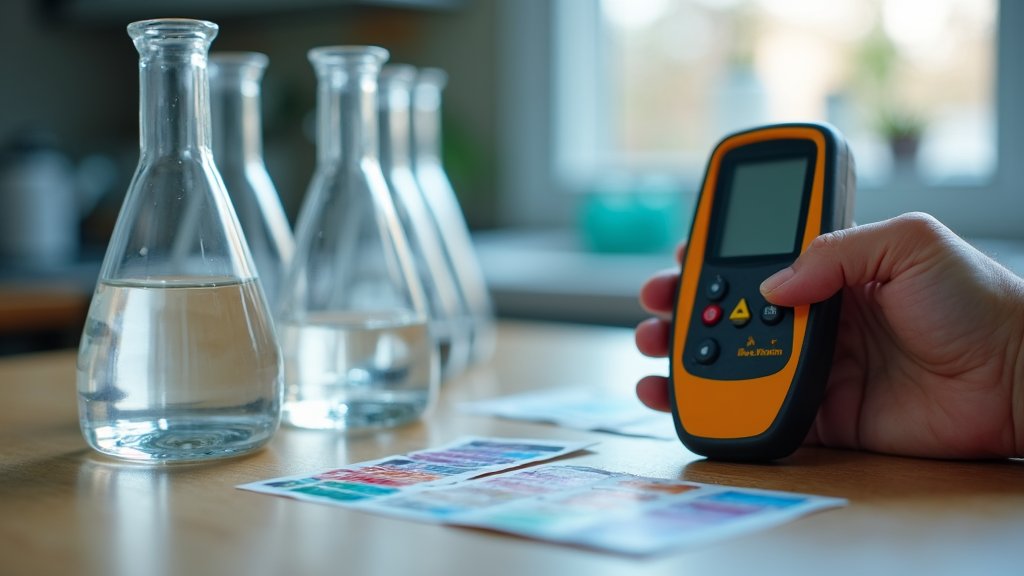
Before you spend money on equipment, get a lab test through your county health department or a state-certified lab. The EPA recommends testing private wells every year for total coliform bacteria, nitrates, total dissolved solids and pH, and more often in homes with small children, pregnant or nursing women or older adults. For a filter decision, also ask for iron, manganese, hardness and hydrogen sulfide. Those numbers decide which system is correct for your water.
For quick checks between lab tests, or to see whether a new filter is doing its job, iron test strips and a TDS meter are cheap and fast. Our guide to testing well water at home walks through sampling and reading the results.
Quick iron checks between lab tests
Strips are a screening tool. Use a certified lab test before you size a whole-house system.
The decision tree is simpler than the marketing makes it look:
Hardness is a separate axis. If hardness is above about 7 gpg, add a softener after the iron filter. Iron fouls softener resin, so the order is iron filter first, then softener, then UV last.
The most common installation regret is not leaving enough room. Cartridge housings need clearance below for cartridge swaps, backwashing tanks need a drain and a nearby outlet, and UV units need space to pull the lamp and sleeve (Aquasana asks for 20 inches above and below its UV unit). Plan the install with the eventual service visit in mind.
Well water treatment means regular service, occasional fouling and steady running costs. Anyone selling a “set and forget” system is overselling. Here is what to plan for.
Cartridge systems (iSpring, Express Water) are realistic DIY for anyone who has done basic plumbing. Backwashing tanks (SpringWell, Matrixx) are DIY-possible but harder: you need a drain for backwash water, an outlet for the control head, and for the Matrixx a chemical feed line. If you have never set a bypass valve or a drain air gap, a licensed plumber is worth it, and some local codes require one. SpringWell and iSpring both publish detailed installation manuals, which is a good sign when you compare brands.
| Component | Typical interval (maker guidance) |
|---|---|
| iSpring WGB22B-PB cartridges | Up to 100,000 gallons; shorter on dirty water |
| Express Water WH300SCKS cartridges | Up to 100,000 gallons or 6 to 12 months |
| Aquasana Rhino pre-filter | About every 2 months |
| Aquasana Rhino main tank | 500,000 gallons or 5 years |
| UV lamp (any brand) | About once a year (Aquasana: about 9,000 hours) |
| SpringWell WS1 media | Regenerated by backwash; replaced after many years |
| Matrixx inFusion | Peroxide refills as needed; bed backwashes about every 2 days |
Ignoring the schedule is the expensive mistake: a cartridge left in past its life lets iron and sediment straight through, and an old UV lamp can still glow while its output has dropped.
| System | Upfront cost | Ongoing cost | Main ongoing item |
|---|---|---|---|
| iSpring WGB22B-PB | Low | Medium to high on dirty water | Cartridges |
| Express Water WH300SCKS | Low | Medium to high on dirty water | Cartridges |
| Aquasana Rhino EQ-WELL-UV | High | Medium | Pre-filters, UV lamp, tank at 5 years |
| SpringWell WS1 | High | Low | Valve service, occasional media |
| US Water Matrixx inFusion | High | Medium | Hydrogen peroxide, valve service |
The SpringWell WS1 usually has the lowest running cost on moderate wells, the cartridge systems are cheapest on clean wells, and the Matrixx has the highest capability ceiling. There is no one-system-fits-all answer: match the system to the lab report and the math works.
For more on sampling and reading results, see our guide on how to test well water at home. For bacteria, see best UV water purifier for well water. For background on whole-house filtration, see whole-house water filter systems.
Sources for the technical points above: the EPA Private Wells program and secondary drinking water standards; NSF International for certification standards; the USGS groundwater quality program for how private-well water varies by region; and each manufacturer’s product page linked in its section.
For most residential wells with iron up to about 7 ppm and a sulfur smell, an air-injection oxidation system like the SpringWell WS1 covers the widest range without chemicals. For heavier iron and strong sulfur, a peroxide-injection system such as the US Water Matrixx inFusion is rated up to 20 ppm iron. If the well has bacteria, add a Class A UV unit. The match between the system’s ratings and your lab report matters more than the brand.
The best whole-home setup is usually a chain rather than one box: a sediment pre-filter, an iron and sulfur filter sized to your iron level, a softener if hardness is above about 7 gpg, and UV last if the well has ever tested positive for coliform. A single cartridge cabinet only fits light wells.
Giardia cysts are removed by filters certified for cyst reduction under NSF/ANSI 53 or 58, and inactivated by UV units certified to NSF/ANSI 55 Class A. The UV unit in the Aquasana bundle is Class B, which is meant for supplemental treatment only. Standard sediment and carbon filters without a cyst claim should not be relied on.
E. coli is a bacterium, so it needs disinfection: a UV system certified to NSF/ANSI 55 Class A or chlorination. Filtration alone is not a reliable kill step. A positive E. coli result also means the well needs inspection and shock disinfection, so contact your local health department before relying on any filter.
Cost depends far more on your water than on the brand. Cartridge cabinets are the cheapest to buy but their running cost climbs on iron-heavy water. Backwashing iron filters cost more up front but have few consumables. Chemical-feed and UV systems add refills and annual lamps. Compare the rated media life against your household use and check current prices with the buttons above.
RO strips most minerals such as calcium and magnesium, and the water is often slightly acidic. Many people describe it as tasting flat rather than actually being dehydrating. A remineralization post-filter adds some minerals back and usually fixes the taste.
Standard whole-house carbon filters do not remove fluoride. Fluoride reduction needs reverse osmosis, activated alumina or bone char, usually as a point-of-use unit at the kitchen sink, since fluoride matters for drinking water rather than bathing.
The EPA recommends testing every year for total coliform bacteria, nitrates, total dissolved solids and pH. It is also sensible to retest after flooding, nearby construction, a new well part, or any change in taste, color or smell. Iron, manganese and hardness are worth retesting every few years and after installing new treatment.
Cartridge systems (iSpring, Express Water) are realistic DIY for anyone with basic plumbing experience. Backwashing systems (SpringWell, US Water) are possible but more involved: backwash drains, control-head power and, for chemical feed, injection lines are the usual sticking points. Check local code, which may require a licensed plumber.
Written by the Delozone Editorial Team. We research products using manufacturer specifications, certification listings and published test data, and we update guides when products or standards change. How we work.
The Delozone Editorial Team researches water treatment, pool and spa, and indoor air products for independent buying guides. We compare products using manufacturer specifications, certification listings such as NSF/ANSI, UL, AHAM and Energy Star, published third-party test data and verified owner feedback. We do not sell products, and affiliate commissions never decide what we recommend.