Independent buying guides for home air, water and safety.
As an Amazon Associate, Delozone earns from qualifying purchases.
Independent buying guides for home air, water and safety.
As an Amazon Associate, Delozone earns from qualifying purchases.

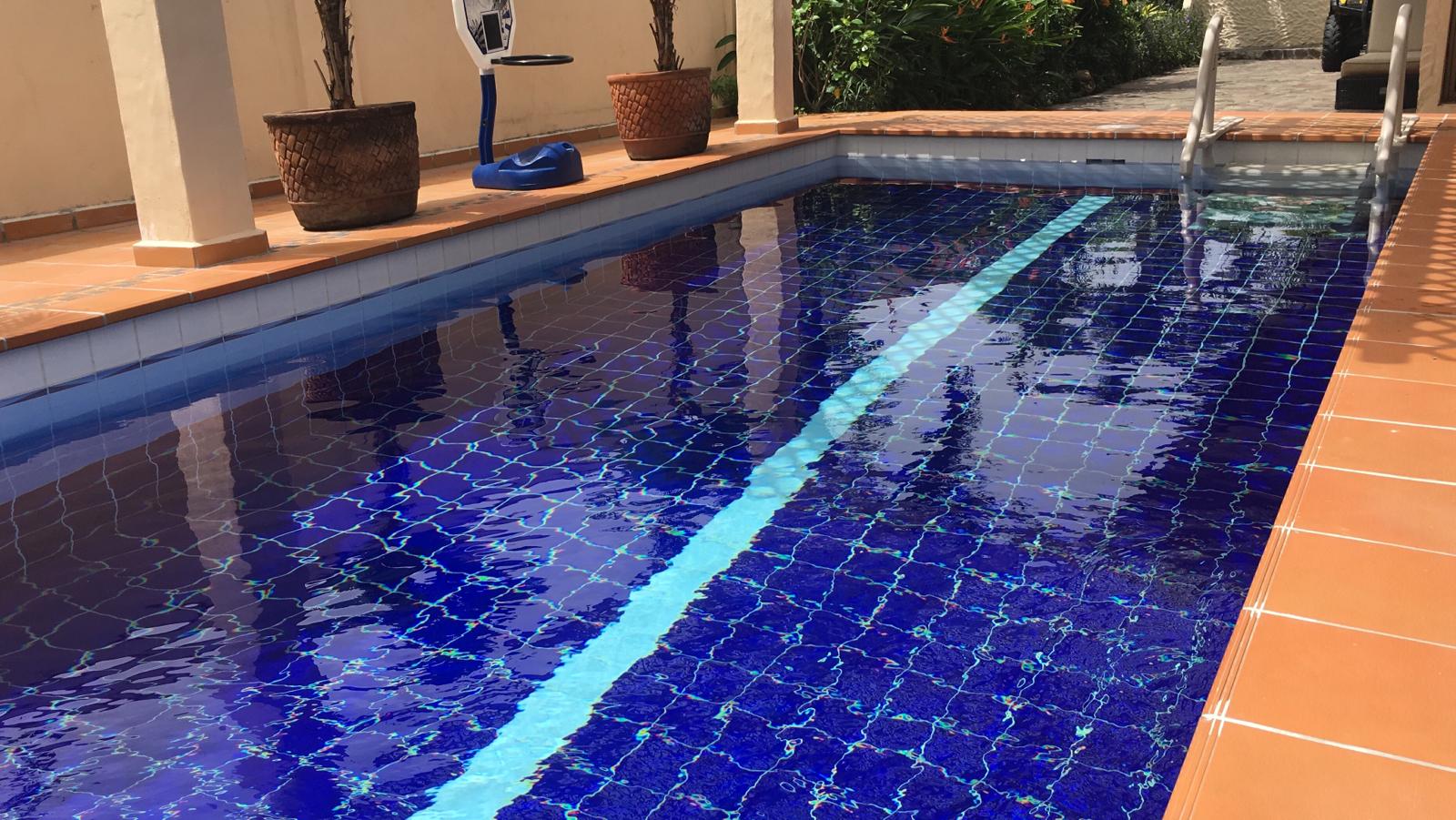

Ozone systems have become a cornerstone of modern pool sanitation, especially for low-chlorine and premium pool environments. However, simply installing an ozone generator does not guarantee better water quality. One of the most common—and costly—mistakes in pool sanitation is incorrect ozone system sizing.
An undersized ozone system delivers minimal benefits, while an oversized system can create operational inefficiencies and safety concerns. Proper sizing is essential to ensure effective oxidation, microbial control, and long-term system performance. This guide explains how pool ozone sizing works, why it matters, and how to determine whether your system is correctly matched to your pool.
Ozone system sizing refers to matching the ozone generator’s output and contact system design to the actual sanitation demand of the pool. This demand is influenced by water volume, bather load, turnover rate, organic contamination, and operational hours.
Sizing is not based on pool volume alone. Two pools with identical gallon capacity may require very different ozone outputs depending on usage patterns and environmental conditions. For a detailed sizing methodology, see our complete pool ozone system sizing guide.
Ozone is a fast-acting oxidizer with a short lifespan in water — typically 10-15 minutes in pool conditions. To be effective, it must be produced in sufficient quantity, properly dissolved, and given adequate contact time.
When sizing is correct, ozone:
Incorrect sizing undermines all of these benefits of ozone treatment.
If chloramine odors remain strong despite an ozone system, the generator may not be producing enough ozone to oxidize nitrogen-based contaminants effectively. A properly sized system should virtually eliminate the “chlorine smell” — which is actually chloramines, not free chlorine.
Undersized systems struggle to break down combined chlorine, leading to unstable water chemistry and frequent shock treatments. Combined chlorine should stay below 0.2 ppm with a properly sized ozone system. If you’re consistently reading 0.5 ppm or higher, your system likely needs more capacity.
Ozone reduces organic load that contributes to haze. Insufficient ozone output often results in water that looks clean but lacks sparkle. If you’re experiencing persistent cloudiness, see our guide on how to fix cloudy water in ozone pools.
A properly sized ozone system should noticeably reduce chlorine consumption — typically by 60-90%. If chemical use remains unchanged after installation, sizing should be reviewed.
Slimy surfaces on pool walls, ladders, or in plumbing indicate that ozone output isn’t sufficient to prevent biofilm formation. This is a clear sign of undersizing.
If your pool’s ORP (Oxidation-Reduction Potential) consistently reads below 650 mV during circulation, the ozone system isn’t producing enough oxidation capacity. Properly sized ozone systems typically maintain ORP between 700-750 mV. Learn more about ozone concentration levels and ORP readings.
While undersizing is more common, oversizing can also cause issues. Excess ozone production without proper control and off-gas destruction may lead to equipment stress and unnecessary energy use.
Oversized systems may:
Correct sizing balances performance and efficiency.
Pool size is the starting point, but not the final determinant. Here are general output guidelines by pool volume:
| Pool Size (Gallons) | Pool Size (Liters) | Recommended Ozone Output |
|---|---|---|
| Up to 10,000 | Up to 38,000 | 500-1,000 mg/hr |
| 10,000-20,000 | 38,000-76,000 | 1,000-1,500 mg/hr |
| 20,000-30,000 | 76,000-114,000 | 1,500-2,500 mg/hr |
| 30,000-50,000 | 114,000-190,000 | 2,500-4,000 mg/hr |
| 50,000+ | 190,000+ | 4,000+ mg/hr or commercial unit |
These are starting points — adjust based on the factors below.
High bather loads dramatically increase organic contamination. Each swimmer introduces sweat, oils, sunscreen, cosmetics, and other organic matter that creates “ozone demand.” Pools used frequently by families, guests, or rental properties require 25-50% higher ozone capacity than lightly used pools.
Shorter turnover times require ozone systems capable of treating water quickly and consistently. Most residential pools should turn over the entire water volume at least once per day. Ozone systems work best when sized to treat water effectively during each pass through the equipment.
The type of ozone generator affects real-world output. Corona discharge generators typically produce higher concentrations than UV generators and are better suited for larger pools. UV generators work well for smaller residential pools and hot tubs.
Ozone generators are typically rated in grams per hour (g/h) or milligrams per hour (mg/h). These numbers indicate ozone production under ideal conditions (specific humidity, temperature, and oxygen feed).
However, actual ozone delivered to the water depends on:
This is why relying solely on generator rating without system design evaluation can be misleading. A 1,000 mg/hr generator with excellent injection may outperform a 2,000 mg/hr generator with poor injection.
Ozone must remain in contact with water long enough to oxidize contaminants. The CT value (concentration × time) determines disinfection effectiveness. Poor injector placement or insufficient contact chambers reduce effectiveness, even with adequate ozone output.
Properly designed systems ensure:
For pool applications, a minimum of 30-60 seconds of contact time after injection is recommended before water returns to the pool. Sizing and hydraulic design must work together. See our installation guide for proper injection setup.
Most residential pools benefit from small to mid-capacity ozone systems (500-4,000 mg/hr) designed to supplement chlorine. These systems prioritize efficiency, quiet operation, and ease of maintenance. Key considerations:
Commercial pools require higher ozone output (5-50+ g/hr), redundancy, and continuous operation. Sizing must account for peak usage and regulatory compliance. Additional requirements include:
Applying commercial logic to residential pools—or vice versa—often leads to improper system selection.
Low-chlorine pools rely heavily on ozone to control organic load. If the ozone system is undersized, chlorine demand increases, defeating the purpose of reduced chemical operation. Homeowners switching to low-chlorine pools must ensure proper ozone sizing.
Correctly sized ozone systems allow chlorine to function primarily as a residual disinfectant (0.5-1.0 ppm), rather than the main oxidizer. This means you still need some chlorine, but far less than a traditional pool.
To determine whether your ozone system is correctly sized, check these performance indicators:
| Indicator | Properly Sized | Undersized |
|---|---|---|
| Chlorine reduction | 60-90% less chlorine needed | Little to no change |
| Combined chlorine | Below 0.2 ppm | Above 0.5 ppm |
| ORP reading | 700-750+ mV | Below 650 mV |
| Water clarity | Crystal clear, sparkling | Dull, slight haze |
| Chloramine odor | Virtually none | Noticeable chemical smell |
| Shock frequency | Rarely needed | Frequent shocking required |
If most indicators fall in the “undersized” column, your system needs attention.
A professional evaluation includes flow measurement, ORP trends, ozone residual testing, and injector performance analysis. Often, system optimization—not replacement—resolves performance issues.
Adjustments that can improve an undersized system without full replacement:
If optimization isn’t enough, it may be time to upgrade to a larger generator. Check our pool ozone system guide for current recommendations.
Correct sizing protects your investment. Here’s what proper sizing means financially:
| Factor | Properly Sized System | Undersized System |
|---|---|---|
| Annual chlorine cost | $50-$150 | $300-$600 (barely reduced) |
| Shock treatment frequency | 2-4x per season | Monthly or more |
| Equipment replacement | Standard schedule | Premature from chemical damage |
| Water satisfaction | Crystal clear, comfortable | Mediocre improvement |
| ROI timeline | 2-3 year payback | May never pay back |
For a detailed cost analysis, see our ozone pool vs chlorine pool cost comparison.
In many cases, yes. Upgrading the injector, adding contact chambers, replacing worn ozone cells, or improving circulation can significantly boost effective ozone delivery without replacing the entire generator.
No. Oversizing can reduce efficiency and increase costs without improving results. The best system matches your pool’s actual demand — volume, bather load, temperature, and environment all factor in.
A properly sized system typically reduces chlorine demand by 60-90%. If you’re not seeing at least a 50% reduction, your system is likely undersized or not functioning optimally.
Yes. Indoor pools typically require 30-50% higher ozone capacity due to increased chloramine accumulation and limited natural air exchange. Proper sizing is especially critical indoors to prevent chloramine odor buildup.
Annually, or whenever pool usage patterns change significantly (new heater, enclosure added, increased guests, etc.). Also review after replacing any ozone system components.
For pools under 15,000 gallons, UV ozone generators are cost-effective. For larger pools or those requiring maximum ozone output, corona discharge generators are the better choice.
The Delozone Editorial Team researches water treatment, pool and spa, and indoor air products for independent buying guides. We compare products using manufacturer specifications, certification listings such as NSF/ANSI, UL, AHAM and Energy Star, published third-party test data and verified owner feedback. We do not sell products, and affiliate commissions never decide what we recommend.