Independent buying guides for home air, water and safety.
As an Amazon Associate, Delozone earns from qualifying purchases.
Independent buying guides for home air, water and safety.
As an Amazon Associate, Delozone earns from qualifying purchases.

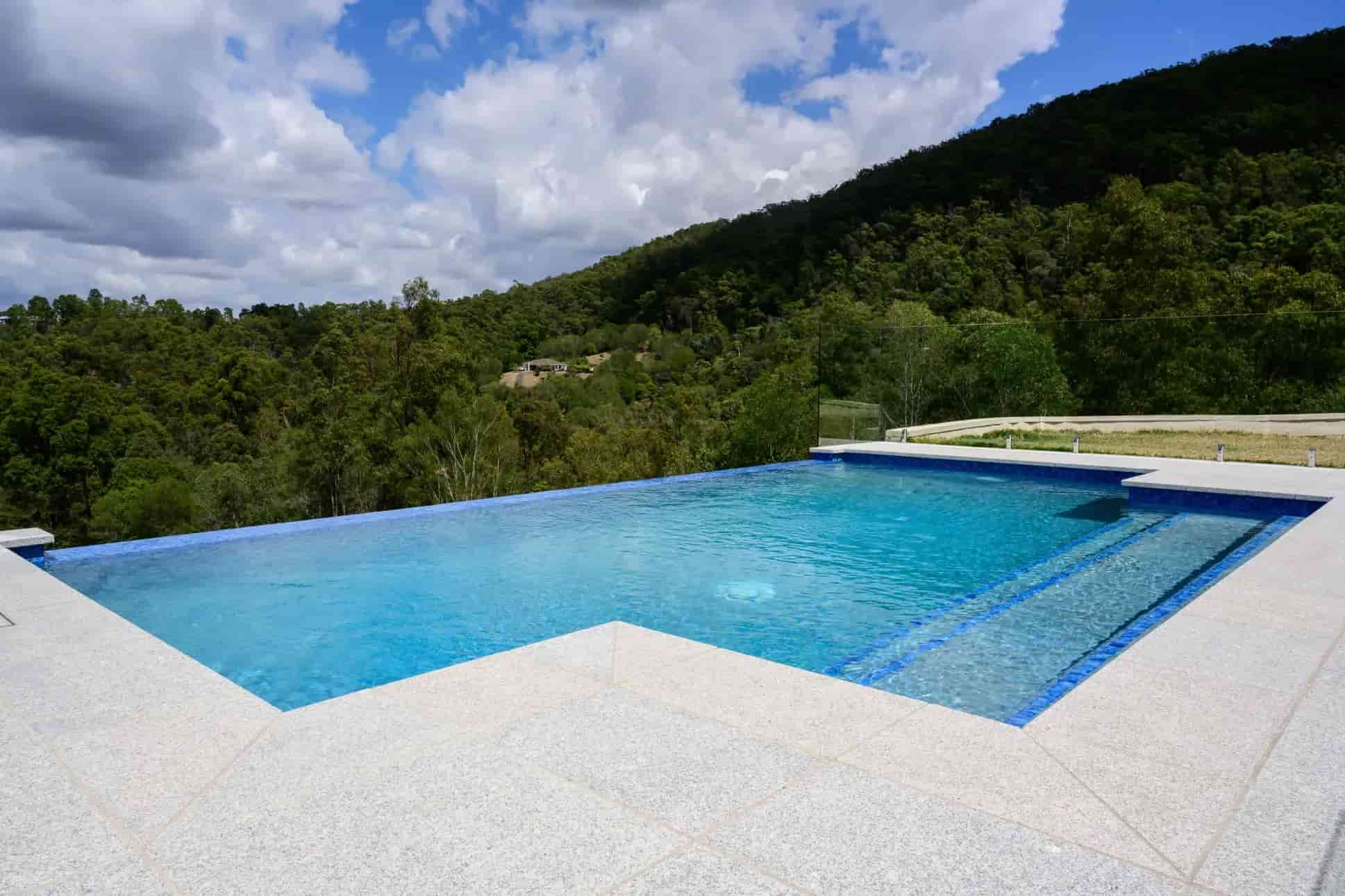

Ozone has become one of the most effective secondary sanitizers in modern pool systems, valued for its powerful oxidation capability and ability to reduce chemical byproducts. However, ozone’s effectiveness is not determined by strength alone. One of the most critical—and often misunderstood—factors in ozone pool systems is contact time. Without sufficient contact time, even the most advanced ozone generator cannot deliver optimal results. Understanding the science behind ozone contact time is essential for pool designers, operators, and homeowners seeking reliable sanitation, improved water clarity, and reduced chloramine formation.
Ozone (O₃) is a highly reactive form of oxygen created on-site using electrical discharge or UV technology. In pool water, ozone acts as a powerful oxidizer, destroying bacteria, viruses, organic contaminants, and chloramine precursors. Unlike chlorine, ozone reacts almost instantly and does not form long-lasting chemical residues. Because ozone has no residual disinfectant effect in the pool basin, it is typically used alongside chlorine or bromine, handling oxidation while the primary sanitizer maintains residual protection.
Ozone contact time refers to the duration that dissolved ozone remains in contact with pool water before being neutralized or decomposed. Scientifically, contact time is often expressed as CT value, which represents the concentration of ozone (C) multiplied by the time (T) it remains in contact with water. This principle is widely used in water treatment to measure disinfection and oxidation effectiveness. In pool applications, achieving sufficient contact time ensures ozone has enough opportunity to react with contaminants before it dissipates.
Ozone reacts extremely fast, but not instantaneously with all contaminants. Some organic compounds, microorganisms, and chloramine precursors require measurable exposure to ozone to be fully oxidized. If contact time is too short, ozone may decompose before completing its reactions, resulting in reduced sanitation efficiency. Proper contact time ensures consistent water quality, reduced combined chlorine levels, and improved overall system performance.
When ozone dissolves in water, it reacts through two primary pathways:
Both pathways require sufficient exposure time to be effective. While hydroxyl radicals react almost instantly, their formation still depends on ozone being present long enough to initiate the reaction. Contact time directly influences how completely these oxidation processes occur.
Several variables determine how long ozone remains active in pool water:
Higher temperatures accelerate ozone decomposition. Warm pool water reduces effective contact time, requiring system designers to compensate with higher ozone concentration or longer contact chambers.
pH, dissolved organic carbon, and contaminant load all affect ozone stability. Water with high organic content consumes ozone rapidly, shortening effective contact time.
Higher ozone concentrations can compensate for shorter contact times, but excessive dosing is inefficient and potentially unsafe. Proper balance is critical.
Fast-moving water reduces contact time. Flow rates must be carefully matched to contact chamber size to ensure adequate exposure.
Contact chambers are specially designed vessels that hold ozonated water long enough for effective oxidation. These chambers increase contact time by slowing water flow and preventing premature ozone off-gassing. Common designs include vertical columns, serpentine piping, and pressurized reaction tanks. A well-designed contact chamber is essential to achieving consistent ozone performance in pool systems.
Contact time alone is not enough; ozone must first dissolve into the water. Mass transfer efficiency refers to how effectively ozone gas is transferred into the liquid phase. Fine bubble injectors, venturi systems, and static mixers improve dissolution, ensuring ozone is evenly distributed. Poor mass transfer reduces effective contact time because undissolved ozone escapes before reacting.
If ozone is not fully reacted, it may off-gas from the water. Off-gassing reduces contact time and can create safety concerns if not properly controlled. Modern pool ozone systems include degassing chambers and ozone destruct units to safely neutralize excess ozone. Proper off-gas management ensures that contact time is optimized while maintaining safe operating conditions.
Residential and commercial pools require different contact time strategies. Larger pools with higher bather loads typically require longer contact times or higher ozone throughput. Oversized systems waste energy, while undersized systems fail to deliver adequate oxidation. Correct system sizing ensures the right balance between ozone concentration, contact time, and operational efficiency.
Chlorine relies on long contact times and residual presence in the pool basin. Ozone, by contrast, performs rapid oxidation within the circulation system. While chlorine may require minutes or hours to neutralize certain contaminants, ozone achieves similar results in seconds—provided contact time is properly engineered. This distinction highlights why ozone is best used as a secondary sanitizer rather than a standalone disinfectant.
Effective filtration enhances ozone contact time by removing particulates that would otherwise consume ozone. Cleaner water allows ozone to focus on dissolved contaminants rather than suspended solids. This synergy improves oxidation efficiency and reduces overall ozone demand, making proper filtration an essential companion to ozone systems.
In Advanced Oxidation Process (AOP) systems, ozone contact time becomes even more critical. AOP combines ozone with UV-C light to generate hydroxyl radicals. Adequate contact time ensures that ozone remains present long enough to interact with UV radiation and produce radicals. Insufficient contact time reduces radical generation and weakens AOP effectiveness.
Common design errors include undersized contact chambers, excessive flow rates, and poor injector placement. These issues cause ozone to break down or escape before completing oxidation. Retrofitted systems are especially vulnerable if plumbing constraints are not carefully evaluated. Professional system design is essential to avoid these pitfalls.
Operators verify ozone performance indirectly by monitoring oxidation-reduction potential (ORP), combined chlorine levels, water clarity, and odor reduction. While direct ozone measurement in pool water is challenging, consistent improvements in these indicators confirm adequate contact time and system effectiveness.
Regulatory standards emphasize ozone containment and off-gas destruction rather than specific contact time values. However, compliance depends on demonstrating effective sanitation without ozone exposure to swimmers or staff. Proper contact time supports both safety and regulatory adherence by ensuring ozone reacts fully before water returns to the pool.
For pool owners, understanding contact time explains why system quality matters more than ozone generator size alone. For operators, it highlights the importance of flow control, maintenance, and proper system calibration. Investing in a well-designed ozone system with sufficient contact time leads to more stable water chemistry, lower chlorine demand, and improved swimmer comfort.
Advancements in computational fluid dynamics, smart flow control, and automated dosing are improving how contact time is managed. Future ozone systems will dynamically adjust flow and ozone output in real time, ensuring optimal contact under changing conditions such as bather load and temperature fluctuations.
Ozone contact time is the foundation of effective ozone pool sanitation. Without adequate exposure, ozone cannot fully deliver its powerful oxidation benefits. By understanding the chemistry, engineering principles, and operational factors that influence contact time, pool owners and operators can maximize ozone performance. Properly designed systems achieve cleaner water, reduced chemical byproducts, and safer swimming environments—proving that in ozone sanitation, time truly matters.
What is ozone contact time in pools?
It is the duration that dissolved ozone remains in contact with pool water to oxidize contaminants effectively.
How long should ozone contact time be?
Contact time requirements vary by system design, flow rate, and water conditions, but proper engineering ensures sufficient exposure for oxidation.
Can higher ozone levels replace contact time?
Not efficiently. Excess ozone decomposes quickly and increases safety concerns without guaranteeing effective oxidation.
Does warm water reduce ozone effectiveness?
Yes. Higher temperatures accelerate ozone breakdown, shortening effective contact time.
Is contact time important for residential pools?
Absolutely. Even smaller systems require properly designed contact chambers to ensure consistent water quality.
The Delozone Editorial Team researches water treatment, pool and spa, and indoor air products for independent buying guides. We compare products using manufacturer specifications, certification listings such as NSF/ANSI, UL, AHAM and Energy Star, published third-party test data and verified owner feedback. We do not sell products, and affiliate commissions never decide what we recommend.