Physical Address
304 North Cardinal St.
Dorchester Center, MA 02124
Physical Address
304 North Cardinal St.
Dorchester Center, MA 02124

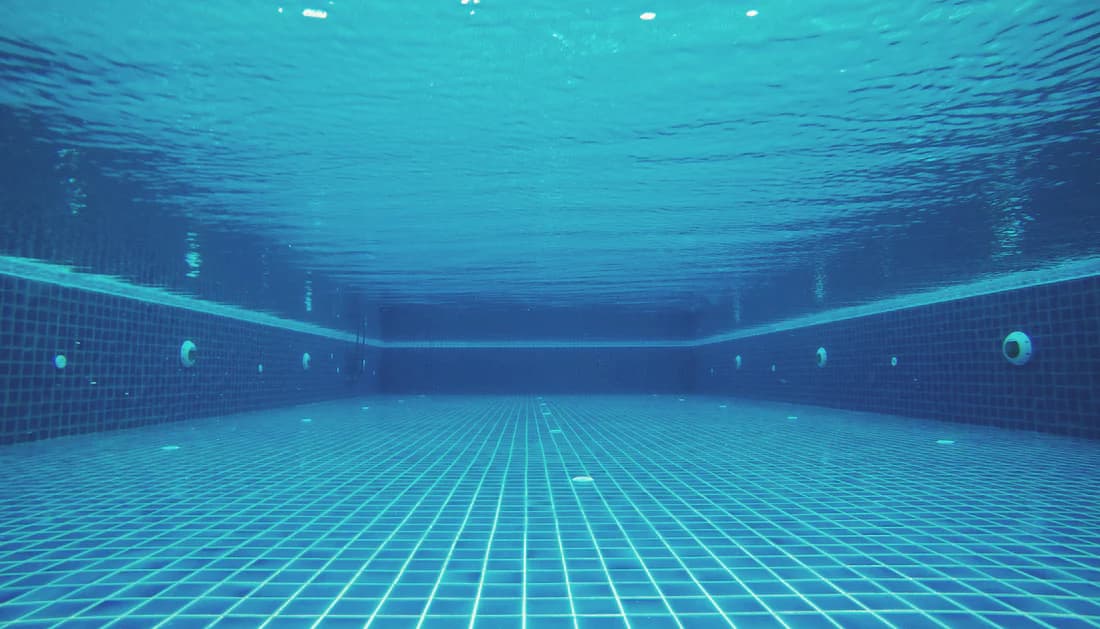

Crystal clear pool water is often associated with heavy chlorine use, but high chlorine levels are not the only — or the best — way to achieve sparkling, healthy water. In fact, excess chlorine can cause strong odors, eye irritation, dry skin, and long-term equipment damage. Modern pool care focuses on smarter sanitation strategies that prioritize water balance, oxidation, filtration, and supplemental technologies like ozone systems. This guide explains how to get crystal clear pool water without relying on excessive chlorine.
Many pool owners assume cloudy water means more chlorine is needed. In reality, excess chlorine often worsens water quality by creating chloramines when it reacts with organic contaminants like sweat, oils, and cosmetics.
Chloramines are responsible for:
Simply adding more chlorine does not remove these compounds — it creates more of them. Clear water depends on eliminating contaminants through oxidation and filtration, not masking them with higher chemical levels.
Cloudy pool water results from microscopic particles, organic contaminants, weak circulation, and imbalanced chemistry. The most common culprits:
| Cause | What Happens | Solution |
|---|---|---|
| Poor filtration | Fine particles remain suspended | Clean/upgrade filter media |
| Low circulation | Dead zones accumulate debris | Extend pump run time |
| High pH | Chlorine loses effectiveness | Lower pH to 7.2-7.4 |
| High calcium hardness | Mineral precipitation | Partial drain and refill |
| Organic overload | Oils, sweat, sunscreen | Oxidation (ozone, MPS, enzymes) |
| High CYA | Chlorine becomes sluggish | Dilute by partial drain |
| Early algae | Green tint developing | Shock + brush + proper sanitizer |
| High TDS | General haziness | Partial drain and refill |
For ozone pool owners experiencing cloudiness, see our specific guide on fixing cloudy water in ozone pools.
Balanced water chemistry is the foundation of clear pool water. When these parameters are in range, sanitizers work efficiently and you need far less chlorine:
| Parameter | Target Range | Impact on Clarity |
|---|---|---|
| pH | 7.2-7.4 | Optimizes chlorine and ozone effectiveness |
| Total alkalinity | 80-120 ppm | Prevents pH bounce and scaling |
| Calcium hardness | 200-400 ppm | Prevents milky water from precipitation |
| Free chlorine | 0.5-1.0 ppm (with ozone) | Residual protection without excess |
| CYA (stabilizer) | 20-40 ppm | Protects chlorine from UV without reducing potency |
Understanding how pH affects sanitizers is crucial — even a small pH increase from 7.2 to 7.8 cuts chlorine effectiveness in half.
Oxidation is the chemical reaction that destroys organic contaminants at the molecular level. While chlorine works as both a disinfectant and an oxidizer, it’s relatively weak at oxidation compared to modern alternatives.
When oxidation falls short, contaminants accumulate, causing dull, hazy, or cloudy water. By boosting your pool’s oxidation capacity, you allow chlorine to focus on what it does best — maintaining a disinfectant residual — instead of handling the entire workload alone.
Oxidation power comparison:
| Oxidizer | Oxidation Potential (V) | Relative Power |
|---|---|---|
| Hydroxyl radical (AOP) | 2.80 | Strongest |
| Ozone (O₃) | 2.07 | Very strong |
| Hydrogen peroxide | 1.78 | Strong |
| Chlorine (HOCl) | 1.36 | Moderate |
| Potassium monopersulfate | 1.44 | Moderate |
Non-chlorine oxidizers, such as potassium monopersulfate (MPS), eliminate organic waste without increasing chlorine levels. Benefits include:
Typical dose: 1 lb per 10,000 gallons. Use after heavy pool use, rain events, or when water looks dull.
Ozone is one of the most powerful oxidizers available for achieving crystal-clear pool water while using far less chlorine. With 1.52x the oxidation power of chlorine and reaction speeds up to 3,000x faster, ozone handles the heavy oxidation work that chlorine struggles with.
How ozone creates clarity:
Pools with properly sized ozone systems consistently maintain superior clarity with minimal chemical intervention. Many ozone pool owners describe their water as “sparkling” — a noticeable difference from chlorine-only pools.
By oxidizing contaminants before chlorine reacts with them, ozone prevents chloramine formation at the source. The result:
This is one of the biggest reasons homeowners are switching to low-chlorine ozone pools.
Ultraviolet (UV) systems use UV-C light to neutralize microorganisms and break down chloramines. While UV doesn’t remove particles or provide the broad oxidation that ozone does, it significantly improves water clarity by:
For maximum clarity and minimum chemicals, combining UV with ozone creates AOP (Advanced Oxidation Process) — the most powerful water treatment available.
No amount of chemicals or oxidation will produce clear water if your filtration is poor. Filter performance by type:
| Filter Type | Particle Capture | Best For |
|---|---|---|
| Sand (standard) | 20-40 microns | Budget — adequate for most pools |
| Glass media | 5-15 microns | Excellent clarity — great ozone companion |
| Zeolite media | 3-5 microns | Superior clarity + ammonia removal |
| Cartridge | 10-20 microns | Low maintenance — good for smaller pools |
| DE (diatomaceous earth) | 2-5 microns | Best filtration — highest maintenance |
Pro tip: If you’re adding ozone to your pool, consider upgrading from sand to glass media at the same time. Ozone micro-flocculates particles, and glass media captures them efficiently — the combination produces exceptional clarity.
Poor circulation creates dead zones where contaminants accumulate. For crystal clear water:
Enzyme-based pool treatments break down body oils, sunscreen, cosmetics, and other organic residues that cause cloudiness and scum lines. While enzymes don’t sanitize, they significantly reduce the organic load that both chlorine and ozone need to handle.
Benefits of weekly enzyme treatment:
Enzymes pair exceptionally well with ozone. See our guide on chemicals that work with ozone systems for product recommendations.
As pools age, TDS builds up from chemicals, body waste, and environmental debris. Elevated TDS (above 2,000 ppm) clouds water and reduces sanitizer effectiveness. The solution is simple: partially drain and refill the pool with fresh water.
A 25-30% water replacement typically restores clarity and rebalances TDS. Do this annually or whenever TDS testing shows elevated levels.
Algae prevention doesn’t require excessive chlorine when your system is optimized:
The clearest pools don’t rely on a single solution. They combine multiple approaches:
This integrated approach is the gold standard in modern pool care. Learn about the full system in our pool ozone system guide.
Yes. When oxidation (ozone or MPS), filtration, and circulation are properly optimized, chlorine levels of 0.5-1.0 ppm are safe and effective. Many health departments accept these levels when supplemental oxidation is documented.
That smell comes from chloramines (combined chlorine), not free chlorine. A well-maintained pool should have almost no smell. The solution is better oxidation — either non-chlorine shock, ozone, or UV treatment — not more chlorine.
Yes. Ozone systems are widely used in residential pools worldwide. Ozone reacts in the plumbing and decomposes to oxygen before reaching swimmers. Learn more about ozone safety.
Balance chemistry (especially pH), clean the filter, extend pump run time, and apply a non-chlorine shock. With an ozone system running, most pools clear within 24-48 hours.
No. UV reduces chloramines and kills pathogens in the chamber, but it doesn’t provide residual protection in the pool water. A small chlorine residual is still required.
Typically 60-90%. A pool that normally needs 2-3 ppm chlorine can operate at 0.5-1.0 ppm with a properly sized ozone system. See our cost comparison for the financial impact.
James Crawford brings 20 years of hands-on experience in commercial water systems, from aquatics facilities to industrial wastewater treatment. He covers system sizing, regulatory compliance, and evaluates ozone equipment for large-scale operations.