Independent buying guides for home air, water and safety.
As an Amazon Associate, Delozone earns from qualifying purchases.
Independent buying guides for home air, water and safety.
As an Amazon Associate, Delozone earns from qualifying purchases.

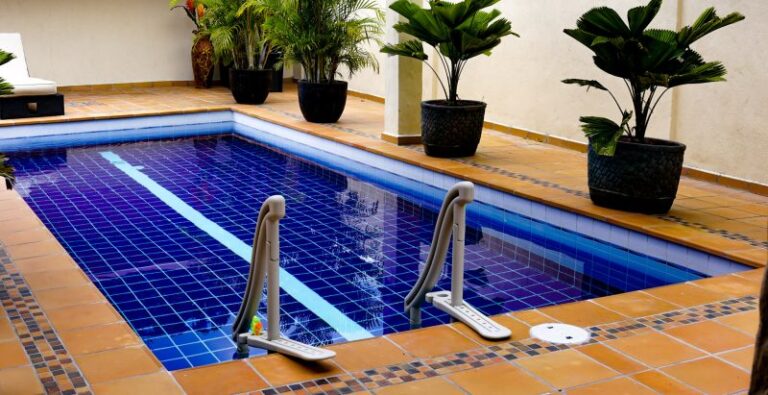
How Ozone Reduces Chloramine Odors in Indoor Pools We often hear swimmers complain about the sharp, lingering smell that seems to cling to indoor pool environments. by breaking down the compounds that cause those odors, creating a fresher and more…
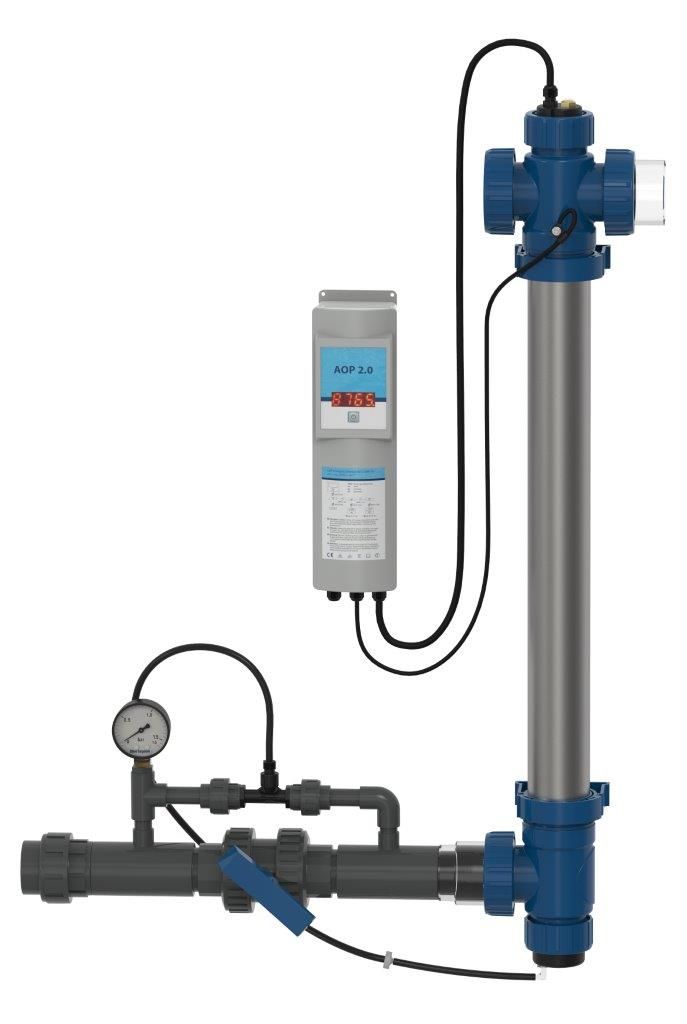
In the world of water treatment, UV‑C vs AOP sparks frequent debate among engineers and facility managers. We aim to unpack the science, economics, and practical considerations that guide a smart technology selection. Understanding UV‑C Disinfection How UV‑C Works UV‑C…
Our team has examined the latest research on waterborne pathogens and we are pleased to share the most relevant findings for water‑treatment professionals. The data highlight emerging risks and new opportunities for control that can shape practice in the coming…
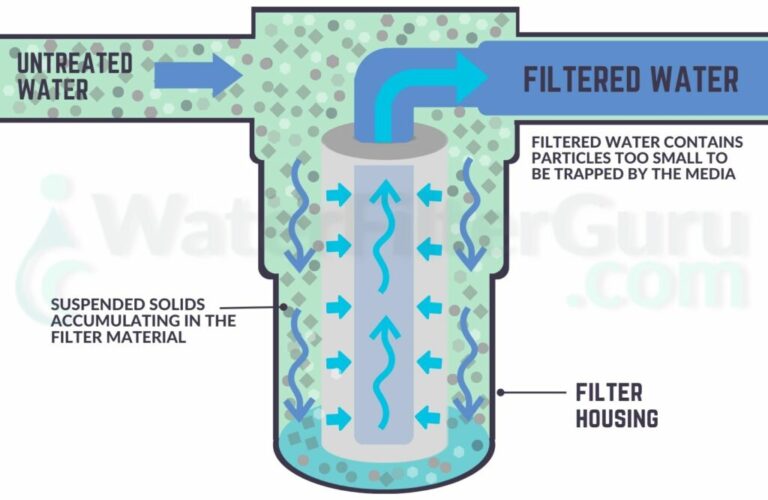
Carbon Filters vs Ozone vs UV is a question that many homeowners ask when they want clearer, safer drinking water. We have examined the science, the economics, and the practical aspects to help you decide which technology fits your household…
Sustainability has become a leading priority for homeowners, and residential pool owners are no exception. Traditional pools require high levels of energy, chemicals, and water, which can significantly increase environmental impact. As more homeowners seek smarter, eco-friendly alternatives, sustainable pool…
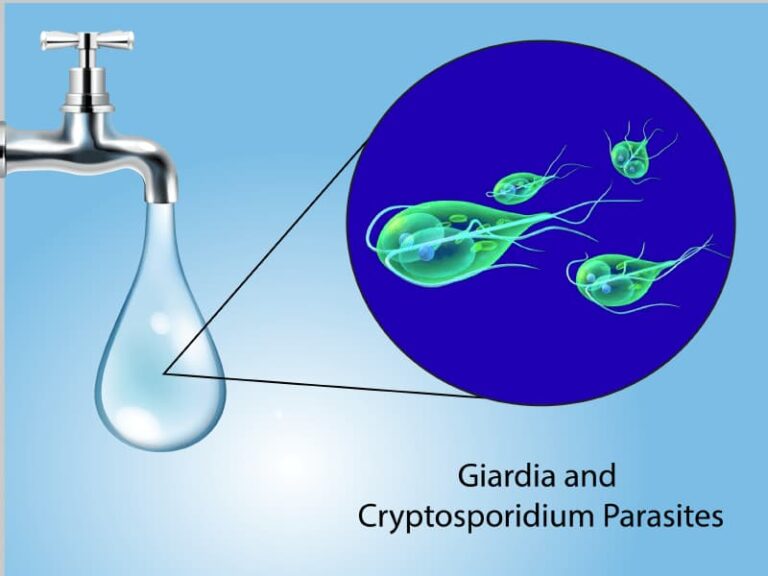
Cryptosporidium and Giardia are two of the most common waterborne parasites in the world. They are responsible for millions of infections annually, often linked to contaminated drinking water, recreational water, and improperly treated private wells. Their resistance to traditional chemical…
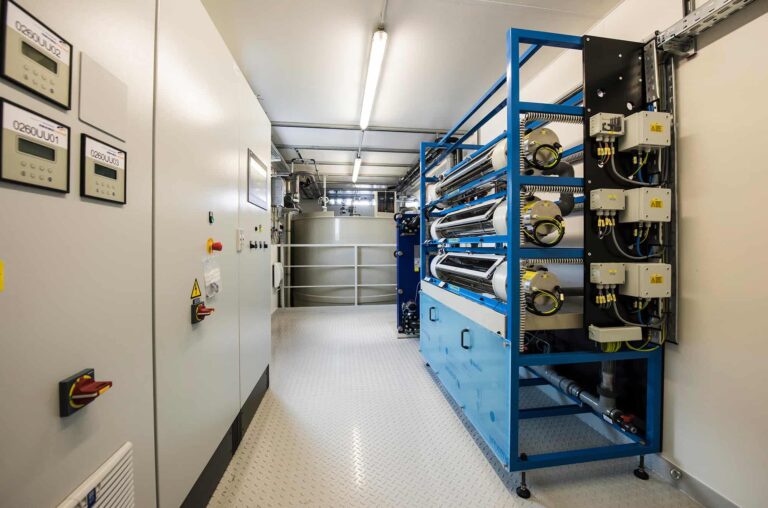
Advanced Oxidation Processes (AOPs) have become a cornerstone in modern water treatment. As concerns over contaminants and microbial safety grow, new AOP systems in 2025 are pushing the boundaries of hybrid sanitation. By combining traditional and innovative treatment methods, these…
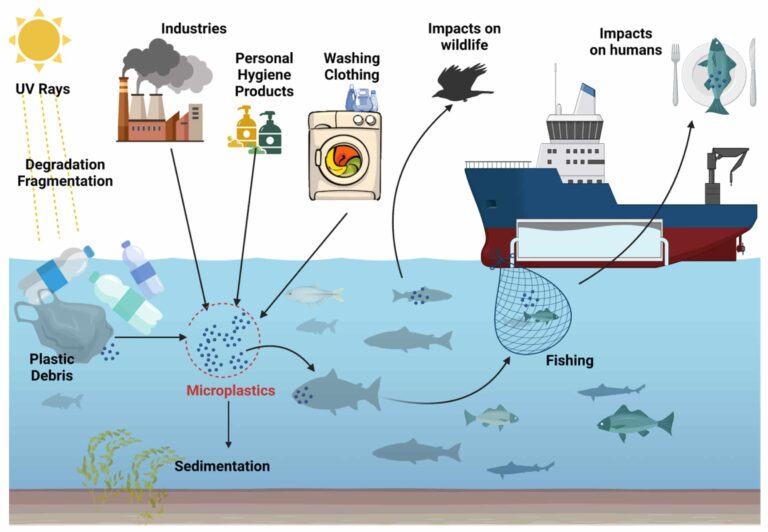
Microplastics have emerged as one of the most persistent and concerning pollutants in modern water systems. Found in oceans, lakes, rivers, groundwater, and even treated drinking water, these particles—typically smaller than 5 millimeters—pose significant environmental and health risks. As global…
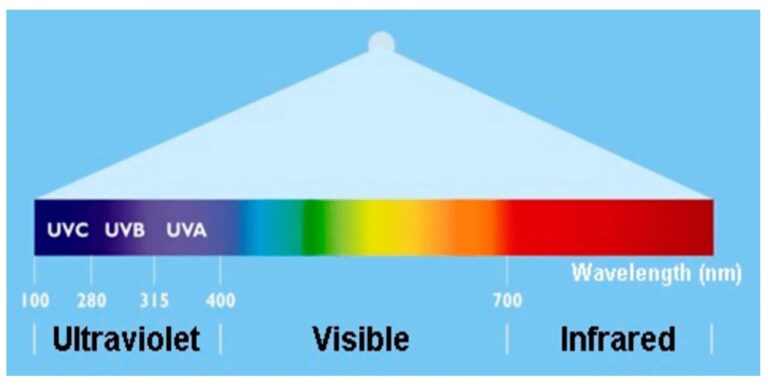
Why UV-C Is Making a Comeback in Water Treatment We have watched the resurgence of UV-C water treatment with great interest, and the data supports a clear shift toward this technology. The combination of improved hardware and tighter regulations has…
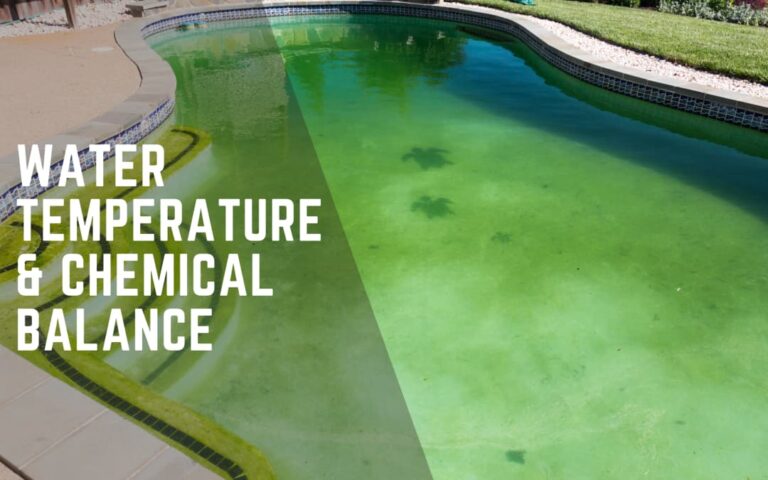
How Climate Change Is Affecting Pool Water Chemistry Climate change is reshaping the environment in ways that directly influence the chemistry of swimming pools. Pool water chemistry now faces new pressures that demand updated management strategies. Rising Temperatures and Their…