Independent buying guides for home air, water and safety.
As an Amazon Associate, Delozone earns from qualifying purchases.
Independent buying guides for home air, water and safety.
As an Amazon Associate, Delozone earns from qualifying purchases.

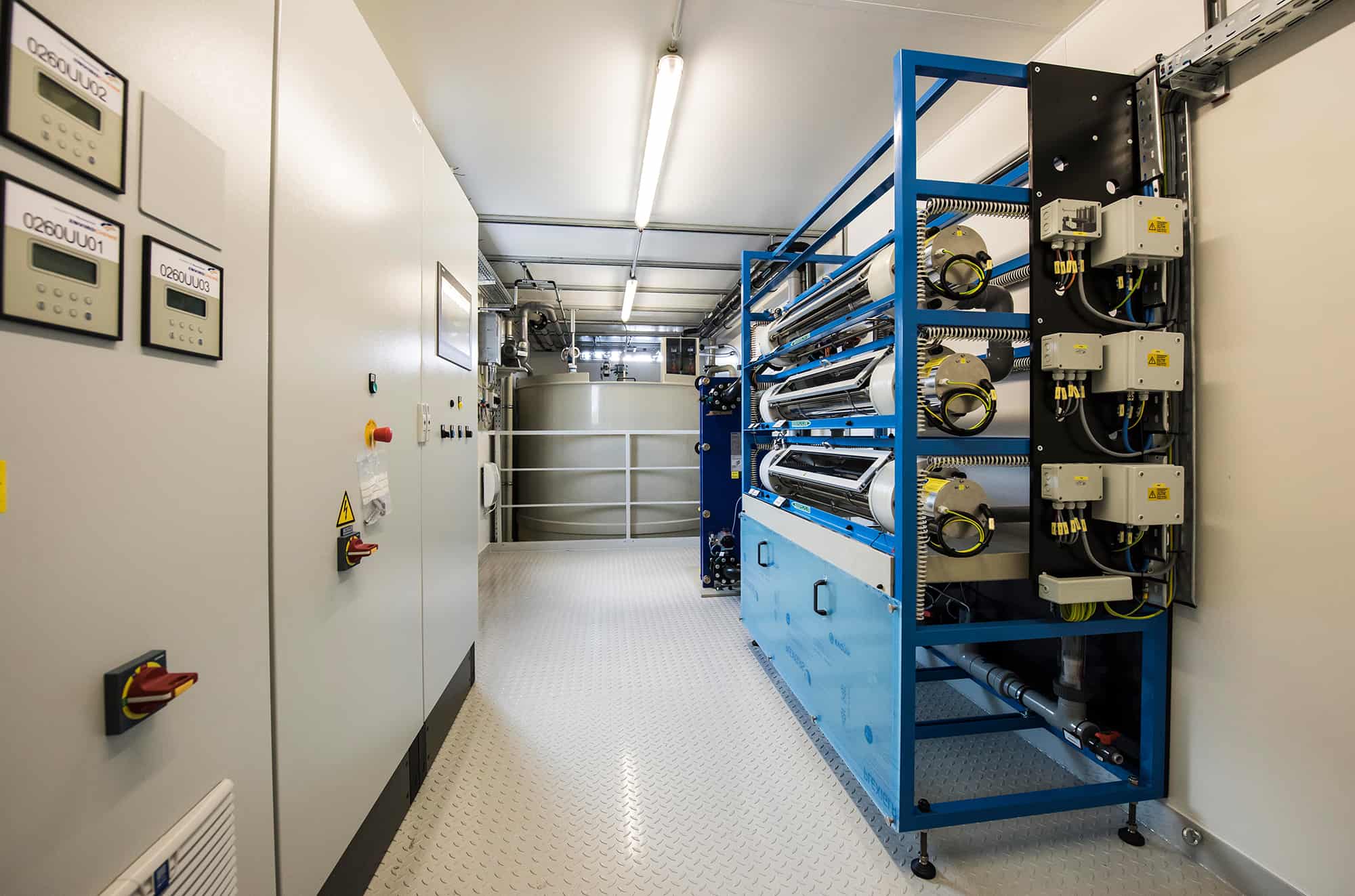

Advanced Oxidation Processes (AOPs) have become a cornerstone in modern water treatment. As concerns over contaminants and microbial safety grow, new AOP systems in 2025 are pushing the boundaries of hybrid sanitation. By combining traditional and innovative treatment methods, these systems deliver enhanced efficiency, lower chemical usage, and improved water quality. For municipalities, industrial facilities, and residential applications, understanding these developments is essential.
AOP systems utilize highly reactive species, such as hydroxyl radicals, to oxidize and neutralize pollutants in water. Unlike conventional disinfection methods, AOPs target a wide range of contaminants, including bacteria, viruses, pharmaceuticals, and persistent organic chemicals. Traditional methods like chlorine or ozone alone may fall short in certain scenarios, whereas AOPs ensure a more comprehensive purification approach.
Hybrid sanitation combines multiple treatment technologies in a single system to maximize efficiency. For example, modern AOP systems may integrate UV-C light, ozone, and hydrogen peroxide to produce synergistic effects. This multi-pronged approach not only improves disinfection but also reduces the formation of harmful by-products. As water safety standards tighten, hybrid sanitation systems are becoming increasingly necessary for municipalities and private water systems alike.
Several innovations are shaping the 2025 AOP landscape:
These advancements make AOP systems more effective, sustainable, and adaptable to various water treatment challenges.
Implementing modern AOP systems provides numerous advantages:
For industrial, municipal, and residential applications, these benefits translate to safer, cleaner, and more sustainable water.
Hybrid AOP systems are versatile and can be applied in multiple sectors:
The adaptability of hybrid AOP systems ensures they remain relevant across diverse settings.
Selecting the optimal AOP system requires careful consideration of several factors:
Consulting with water treatment experts ensures that the selected system meets both regulatory standards and operational needs.
Proper maintenance is essential for sustaining the efficiency of AOP systems:
Routine care guarantees optimal performance, reduces downtime, and extends the life of hybrid sanitation systems.
While hybrid AOP systems offer significant benefits, there are challenges to consider:
Understanding these factors helps decision-makers plan and implement AOP systems effectively.
The future of hybrid sanitation and AOP technology is promising. Innovations such as AI-driven water quality monitoring, more energy-efficient reactors, and integration with smart city infrastructure are expected to transform the water treatment landscape. As regulatory requirements evolve and emerging contaminants become a bigger concern, AOP systems will play a critical role in ensuring safe and sustainable water for all applications.
Q1: Are AOP systems safe for drinking water?
A1: Yes. Properly designed and maintained AOP systems neutralize contaminants without leaving harmful residues, making water safe for consumption.
Q2: How much maintenance do hybrid AOP systems require?
A2: Maintenance is typically periodic and involves cleaning, sensor calibration, and replacing lamps or dosing units. Proper upkeep ensures long-term performance.
Q3: Can AOP systems remove microplastics?
A3: AOPs are primarily effective against chemical pollutants and microbes. While they may degrade some microplastics, additional filtration is usually required.
Q4: Are AOP systems energy-intensive?
A4: Modern AOP systems have improved energy efficiency, but consumption depends on system size, water volume, and treatment intensity.
Q5: Can these systems be used in homes?
A5: Yes. Compact, modular AOP units are increasingly available for residential water treatment applications, offering enhanced safety and quality.
The Delozone Editorial Team researches water treatment, pool and spa, and indoor air products for independent buying guides. We compare products using manufacturer specifications, certification listings such as NSF/ANSI, UL, AHAM and Energy Star, published third-party test data and verified owner feedback. We do not sell products, and affiliate commissions never decide what we recommend.