Physical Address
304 North Cardinal St.
Dorchester Center, MA 02124
Physical Address
304 North Cardinal St.
Dorchester Center, MA 02124


We have watched the resurgence of UV-C water treatment with great interest, and the data supports a clear shift toward this technology. The combination of improved hardware and tighter regulations has created a fertile environment for UV‑C to thrive.
When UV‑C photons strike the nucleic acids of bacteria, viruses, or protozoa, they cause a rapid formation of pyrimidine dimers. These dimers disrupt the replication process, preventing the organism from reproducing or repairing itself. The result is a permanent loss of viability that occurs in a matter of seconds.
Because the damage occurs at the molecular level, UV‑C does not rely on chemical reactions that could produce harmful by‑products. This characteristic makes the method especially attractive for applications where water quality must remain pristine. In pool environments, the approach helps preserve the natural balance of minerals and salts.
Research shows that a dose of 30–40 mJ/cm² is sufficient to inactivate most common pathogens, including E. coli and Giardia. Our testing protocols verify that the delivered dose meets or exceeds this threshold under real‑world flow conditions.
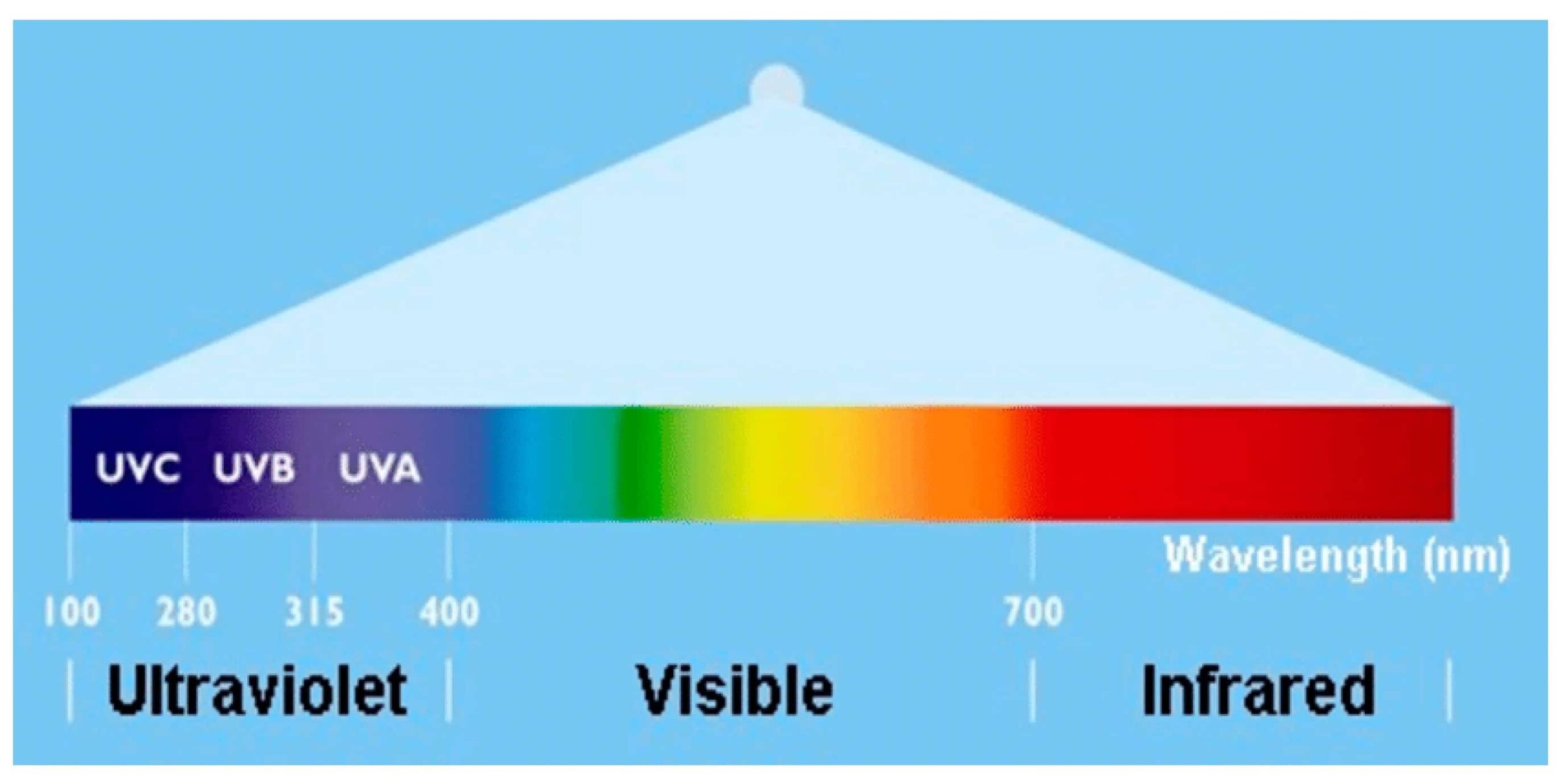
UV‑C occupies the 200–280 nm band, with a peak effectiveness near 265 nm. This wavelength aligns perfectly with the absorption peak of DNA, maximizing the likelihood of dimer formation. Modern LEDs and low‑pressure mercury lamps are engineered to emit tightly centered spectra around this point.
Delivering the correct dose depends on both intensity and exposure time. By arranging lamps in a flow‑through chamber, we can control the residence time of water and ensure consistent dosing. Computational fluid dynamics simulations help us fine‑tune chamber geometry for optimal performance.
In practice, we monitor UV intensity with calibrated sensors and adjust flow rates to maintain the target dose. This feedback loop prevents under‑dosing during high‑usage periods and avoids over‑exposure that could reduce lamp lifespan.
UV‑C radiation can be harmful to skin and eyes, so we incorporate multiple safety layers into every system. Enclosed chambers, interlocked doors, and motion sensors prevent accidental exposure during operation.
We also provide clear signage and training materials for pool staff, emphasizing proper shutdown procedures. Regular maintenance checks verify that shielding remains intact and that no leaks have developed.
By adhering to ANSI and IEC standards, we ensure that the installed units meet the highest safety benchmarks. This commitment protects both users and service technicians.
During the 1970s and 1980s, several cities experimented with UV‑C for drinking‑water disinfection. The technology offered a chemical‑free alternative to chlorination, which was attractive in regions with limited chlorine supplies.
However, early systems suffered from high energy consumption and frequent lamp failures. These drawbacks limited widespread adoption and led many municipalities to revert to conventional methods.
Despite those challenges, the fundamental proof‑of‑concept remained solid, laying the groundwork for later innovations that would address the early shortcomings.
Recent years have seen a dramatic improvement in UV‑C emitter efficiency. High‑output LEDs now deliver comparable photon flux to traditional mercury lamps while consuming less power.
Low‑pressure quartz lamps have also benefited from refined manufacturing processes that extend lamp life beyond 10,000 hours. These advances reduce replacement frequency and lower overall operating costs.
In addition, smart controllers now integrate real‑time UV intensity monitoring, allowing automatic adjustments to maintain target doses. This level of automation was unimaginable in the early days of UV‑C.
Regulators have updated guidelines to recognize UV‑C as an approved disinfection method for both drinking water and recreational facilities. The EPA’s “UV Disinfection Guidance” now includes specific performance criteria for pool applications.
State health departments have also issued permits that explicitly allow UV‑C as a primary or supplemental treatment step. These policy changes give pool owners confidence that UV‑C complies with local health standards.
Our compliance team stays current with these evolving regulations, ensuring that every installation meets the latest requirements.
We design UV‑C units to sit downstream of the main filter, allowing clear water to pass through the UV chamber. This placement maximizes the exposure of microorganisms to the UV dose.
Because the system does not rely on chemicals, it works well alongside sand, cartridge, or diatomaceous earth filters. The combined approach yields a multi‑barrier strategy that tackles both particulate and microbial contaminants.
Installation typically involves a short section of PVC pipe and a few fittings, making the retrofit process straightforward for most pool owners.
Unlike chlorine, UV‑C does not produce chloramines, which are responsible for the characteristic “chlorine smell” and eye irritation. This difference contributes to a more comfortable swimming experience.
Ozone provides strong oxidation power but requires additional venting to manage off‑gas. UV‑C, by contrast, operates entirely within a sealed chamber, eliminating the need for gas handling equipment.
When we pair UV‑C with a modest chlorine dose, we achieve a synergistic effect: UV‑C handles the bulk of pathogen inactivation, while chlorine provides residual protection throughout the pool volume.
We recommend cleaning the quartz sleeve on a quarterly basis to remove mineral deposits that could attenuate UV light. A soft brush and a mild cleaning solution are sufficient for most installations.
Lamp replacement intervals depend on the specific emitter type, but we typically schedule swaps every 9–12 months for mercury lamps and every 3–5 years for LEDs. Monitoring the UV intensity sensor helps us anticipate when a lamp is approaching the end of its useful life.
Our service technicians also inspect seals and gaskets during each maintenance visit, ensuring that the chamber remains watertight and that no UV leakage occurs.
Modern UV‑C units achieve a power draw of 30–45 W per 10,000 gallons per hour of flow. This efficiency translates to a modest increase in electricity usage compared with traditional chlorination pumps.
When we calculate the annual energy cost, the additional expense is often offset by the reduced need for chemical purchases. The net financial effect can be positive for pool owners who prioritize low‑maintenance solutions.
Our energy‑monitoring tools provide real‑time feedback on consumption, allowing users to track savings over the life of the system.
By handling the majority of microbial load, UV‑C allows us to lower chlorine concentrations without compromising safety. Reduced chlorine means fewer chemicals to store, handle, and dispose of.
Lower chemical usage also diminishes the formation of disinfection by‑products such as trihalomethanes, which have been linked to health concerns. This advantage aligns with growing consumer demand for greener pool solutions.
We have documented cases where chemical spend dropped by up to 40 % after installing a UV‑C system, delivering measurable cost savings.
When we evaluate total cost of ownership, we consider equipment price, electricity, lamp replacement, and routine cleaning. UV‑C systems often have a higher upfront cost than basic chlorine dispensers, but the long‑term savings can be substantial.
Our financial modeling shows a typical payback period of 3–5 years for residential pools, depending on usage patterns and local utility rates. After this period, the system essentially pays for itself through reduced chemical purchases.
We also factor in the environmental value of decreased chemical runoff, which benefits local waterways and aligns with sustainability goals.
We begin by measuring the pool’s turnover rate, which determines the volume of water that passes through the UV chamber each hour. The target is to achieve at least one full circulation per day.
Using the flow rate, we calculate the required UV dose and select a lamp array that can deliver that dose at the given speed. Undersized units risk insufficient exposure, while oversized units waste energy.
Our sizing calculator, available on the website, helps pool owners input their dimensions and receive a recommended system size.
Low‑pressure mercury lamps provide a proven, high‑intensity output and are ideal for larger commercial pools. They require periodic replacement but have a well‑understood performance profile.
UV‑C LEDs offer instant start‑up, lower power draw, and longer lifespans, making them a strong choice for residential installations. Their modular design also simplifies future upgrades.
We assess each pool’s specific needs, including budget, space constraints, and maintenance preferences, before recommending a lamp type.
Our Pool Maintenance Guide walks owners through routine tasks such as cleaning, water testing, and equipment checks. The guide includes a dedicated chapter on UV‑C integration.
For those interested in complementary technologies, the Pool Ozone System Guide explains how ozone can work alongside UV‑C to enhance water clarity. The two systems together provide a robust, chemical‑light treatment strategy.
By following the step‑by‑step instructions in these resources, pool owners can achieve a smooth installation and enjoy reliable performance from day one.
UV‑C is effective against bacteria, viruses, protozoa, and some algae. It works by damaging the genetic material of these organisms, preventing them from reproducing.
While UV‑C handles the bulk of microbial inactivation, a small residual chlorine level is still recommended to protect against re‑contamination. The combination offers a balanced approach.
We advise cleaning the sleeve every three months, or more frequently in areas with hard water. A simple brush and mild detergent are sufficient.
Low‑pressure mercury lamps typically last 9–12 months, while LED arrays can operate for 3–5 years before performance declines. Monitoring UV intensity helps schedule replacements proactively.
Yes, the UV chamber is completely sealed, preventing any radiation from escaping. Safety interlocks and sensors ensure the system shuts down if a breach is detected.
While DIY installation is possible for experienced homeowners, we recommend professional installation to guarantee proper flow rates, sealing, and compliance with local codes.
No, UV‑C does not alter chemical balances such as pH or alkalinity. Those parameters still need to be monitored and adjusted using standard pool chemicals.
Sarah Mitchell holds a degree in Environmental Science and has spent the last decade covering water treatment technology and regulations. She leads the editorial team at delozone.com, ensuring every article meets the highest standards of accuracy and sourcing.