Independent buying guides for home air, water and safety.
As an Amazon Associate, Delozone earns from qualifying purchases.
Independent buying guides for home air, water and safety.
As an Amazon Associate, Delozone earns from qualifying purchases.

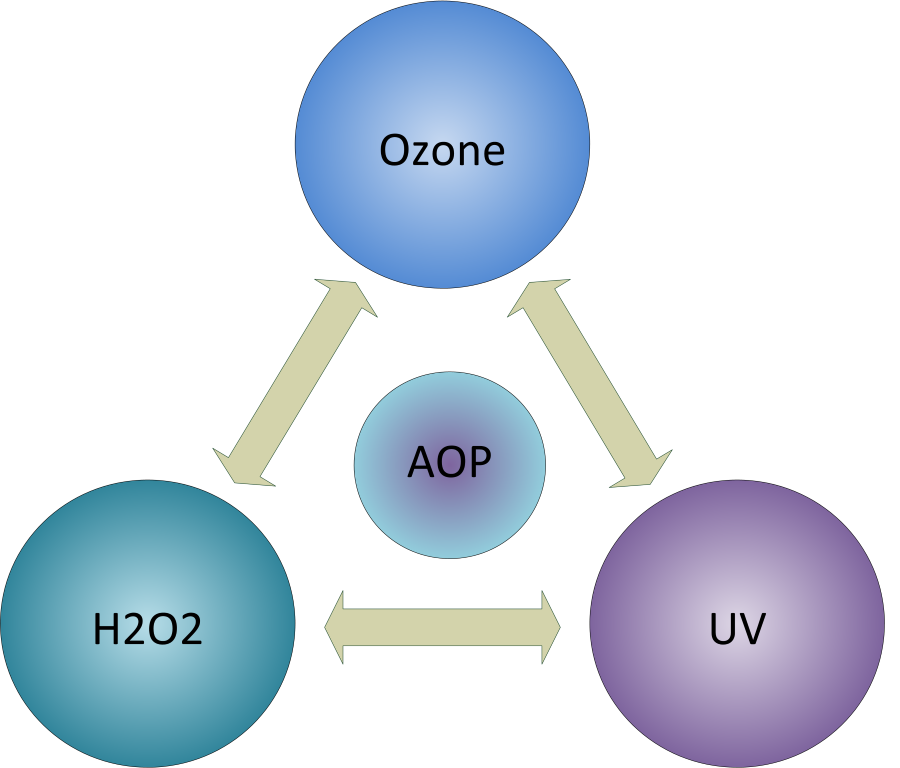

We often hear spa owners compare these three disinfection technologies. In this article we break down how each system works, what performance metrics matter, and which option fits different spa environments.
Ozone is a tri‑atomic form of oxygen that acts as a powerful oxidizer. When we inject ozone into spa water, it attacks organic contaminants and microbial cell walls. The reaction breaks down pollutants into harmless carbon dioxide and water. Because ozone reverts to oxygen quickly, it does not linger as a residual disinfectant.
We generate ozone using an electrical discharge or UV‑driven corona. The process converts atmospheric oxygen into ozone at a rate that matches the spa’s circulation flow. Proper placement of the ozone diffuser ensures even distribution throughout the water column. This helps maintain consistent water quality even during heavy use.
From a safety perspective, ozone is a gas that dissipates rapidly, reducing the need for chemical storage. We still monitor ozone concentration to avoid excessive exposure to users. Modern controllers provide real‑time alerts if ozone levels drift outside target ranges. This technology gives us confidence that the spa remains both clean and safe.
AOP blends ozone with a secondary oxidant such as hydrogen peroxide or UV light. The combination creates hydroxyl radicals, which are among the most reactive species in water treatment. These radicals attack a broader spectrum of contaminants than ozone alone. As a result, AOP can break down stubborn organic compounds that resist single‑step oxidation.
In commercial systems, an AOP module usually sits after the primary ozone generator. The module adds a precise dose of hydrogen peroxide before the water passes through a UV chamber. The UV light splits the peroxide molecules, releasing hydroxyl radicals. This cascade amplifies the overall disinfection capacity without requiring higher ozone dosages.
Residential hot tubs rarely use peroxide dosing. The home version of AOP is usually ozone and UV-C working in the same circulation loop, for example the Hydropool HydroClear system, which its dealers describe as filtration, ozonator and UV sterilization mixed in one package. If a spa brand sells an “AOP” option, ask whether it means ozone plus UV-C or a separate hydroxyl generator, because the two are built differently.
One advantage of AOP is its ability to reduce the formation of disinfection by‑products. Because the radicals react quickly, they leave fewer residual chemicals in the water. Operators can also adjust peroxide dosing based on spa usage, which helps meet varying water quality goals throughout the season.
UV systems rely on short‑wavelength light to disrupt microbial DNA and RNA. When water flows through a UV chamber, photons penetrate cell walls and render pathogens unable to reproduce. The process does not add any chemicals to the water, so there is no risk of residual taste or odor. UV therefore offers a “clean” approach that many spa owners find appealing.
We select UV lamps that operate at 254 nm, the germicidal peak for most bacteria and viruses. The lamp’s intensity and exposure time determine the log‑reduction achievable. Proper hydraulic design ensures that every water parcel receives the required dose. This design principle is critical for maintaining consistent disinfection performance.
One limitation of UV is its inability to address dissolved organic matter directly. While it inactivates microbes, it does not oxidize contaminants that cause cloudiness or odor. For that reason, many installers pair UV with a secondary treatment such as ozone or a carbon filter. This hybrid approach uses the strengths of each technology.
When we compare ozone, AOP, and UV, the speed at which each technology kills pathogens stands out. Ozone can achieve a 99.9 % reduction of bacteria within seconds of contact. AOP, with its hydroxyl radicals, often reaches similar or higher log reductions in a comparable timeframe. UV systems typically require a slightly longer exposure but still deliver strong inactivation for most water.
Published aquatics data gives a sense of scale: an ozone system applied to a side stream is cited for a minimum 3‑log (99.9%) kill of Cryptosporidium in a single pass, a parasite chlorine struggles with (WC&P). The key difference is where the work happens. UV only treats water while it is inside the chamber; once water leaves, no further treatment occurs. Dissolved ozone keeps oxidizing for a short time after injection, and AOP adds hydroxyl radicals on top of that.
Understanding these rates helps us size the system for the spa’s turnover. A larger spa with high bather loads may benefit from the rapid kill speed of ozone or AOP. Smaller, low‑traffic spas might find UV sufficient for maintaining safe water. Matching the technology to the pathogen load ensures we meet health standards without over‑engineering.
Reaction time refers to how quickly a disinfection method responds to changes in water quality. Ozone generators can ramp up output within seconds, making them highly responsive to sudden spikes in contamination. AOP systems inherit this responsiveness because the ozone component reacts instantly, while the UV‑driven radicals form on the fly.
UV chambers, on the other hand, depend on water flow rates to determine exposure time. If the pump speed changes, the UV dose can fluctuate, requiring careful calibration. We mitigate this by installing flow‑sensing controllers that adjust pump speed to keep the UV dose within target limits.
From an operational standpoint, fast reaction times translate into shorter “recovery” periods after heavy use. Spa owners notice that water clears and smells fresh more quickly when using ozone or AOP. This rapid turnaround can improve user satisfaction and reduce the need for supplemental chemical dosing.
One concern with any oxidation process is the potential for by‑products that could affect health or comfort. Ozone itself breaks down to oxygen, leaving no harmful residues. However, when ozone reacts with bromide present in some water sources, it can generate bromate, a regulated by‑product.
AOP reduces this risk because hydroxyl radicals preferentially attack organic compounds rather than bromide ions. The secondary oxidant also helps to break down any bromate that does form, further minimizing its concentration. UV systems produce no chemical by‑products, but they do not address bromate formation if ozone is used elsewhere in the spa.
We routinely monitor water chemistry to ensure by‑product levels stay within safe limits. Testing for bromate, chlorate, and other oxidation by‑products is part of our standard maintenance protocol. By staying vigilant, we protect both spa users and the equipment from long‑term degradation.
Space constraints often dictate which technology fits best in a spa setting. Ozone generators are relatively compact, especially when paired with a small diffuser. AOP units require additional components (hydrogen peroxide storage and a UV chamber), so they occupy more space.
UV systems consist mainly of a lamp housing and a quartz sleeve, which can be mounted in line with existing plumbing. The simplicity of a single‑component design can make UV the easiest to retrofit into older spas. We assess the available space, plumbing layout, and electrical capacity before recommending a solution.
Installation time also varies. Ozone systems typically take a few hours to install, while AOP may need a full day to integrate all subsystems. UV installations are often the quickest, especially when the existing pump can drive water through the UV chamber without major modifications. Understanding these timelines helps us plan projects without disrupting spa operation.
Maintaining optimal performance requires regular attention to each technology. Ozone generators need periodic cleaning of the corona discharge plates and replacement of the ozone sensor. We schedule these tasks every six months to keep the output stable.
AOP systems add a layer of complexity because hydrogen peroxide tanks must be inspected for leaks and refilled. The UV lamp also degrades over time and typically requires replacement after 9,000 to 12,000 hours of operation. We track lamp hours using a digital log to ensure timely swaps.
UV-only setups have the fewest consumables, but the quartz sleeve can become fouled by mineral deposits. We recommend a gentle cleaning routine every three months to maintain light transmission. By following these maintenance schedules, we extend equipment life and keep water quality high.
Energy use is a key factor in total cost of ownership. Ozone generators draw power primarily for the high‑voltage discharge, which is modest compared to pump loads. AOP adds the UV lamp’s electricity demand, increasing overall consumption slightly.
UV systems consume the most electricity among the three because the lamp must run continuously at high intensity. However, the absence of chemical purchases can offset this cost over time. Compare lamp wattage, replacement bulb cost and your local electricity rate to estimate the payback period.
Long‑term expenses also include parts replacement. Spa ozonator cells have a finite life: spa retailers quote corona discharge cell replacement every 1 to 3 years depending on use (EZ Hot Tubs). AOP units may require more frequent part swaps due to the dual‑technology nature. UV lamps, while needing replacement, are relatively inexpensive compared to the overall system cost. By weighing these factors, we help spa owners make informed financial decisions.
Water clarity is a visual indicator of treatment effectiveness. Ozone excels at breaking down organic particles, resulting in crystal‑clear water even after heavy use. AOP adds another layer of oxidation that can further reduce turbidity caused by algae or biofilm.
UV does not directly remove particles, so it often works best when paired with a fine filter. We recommend a high‑efficiency cartridge filter to complement UV disinfection. This combination delivers both microbial safety and visual appeal.
Feedback from spa users consistently highlights the “fresh” appearance of water treated with ozone or AOP. The rapid oxidation of contaminants prevents the yellowing that sometimes occurs with chlorine‑based systems. Maintaining this clarity enhances the overall spa experience.
Many spa owners appreciate the lack of strong chemical smell when using ozone. Because ozone converts to oxygen, the water retains a neutral scent that many describe as “clean.” AOP shares this benefit, as the hydroxyl radicals also leave no lingering odor.
UV systems are odor‑free as well, but if the spa still uses a residual sanitizer like chlorine, users may notice a mild chlorine scent. We often advise reducing or eliminating residual chemicals when UV is the primary disinfectant. This approach minimizes irritation for sensitive users.
The absence of harsh chemical smells improves user comfort, especially for those with respiratory sensitivities. Many owners also report a smoother feeling on the skin after a session in ozone‑treated water. These subtle sensory differences can influence repeat visitation.
Skin irritation is a common complaint with traditional chlorine treatments. Ozone and AOP produce very low levels of residual oxidants, which translates to a gentler feel on the skin. Users often mention that their skin feels softer after a soak.
UV treatment, lacking any chemical residual, also supports a comfortable skin experience. However, if a low‑level residual sanitizer is still used to prevent regrowth, it can introduce mild irritation. We recommend monitoring pH and alkalinity to keep the water balanced and comfortable.
Eye comfort follows a similar pattern. Ozone‑treated water rarely causes eye redness, and AOP’s additional oxidation helps keep the water clear of irritants. By focusing on balanced chemistry, we help ensure that every user leaves the spa feeling refreshed rather than irritated.
Now that you understand the differences between AOP, ozone, and UV, these are residential systems worth shortlisting, organized by technology. Every one of them is a supplement: keep a chlorine or bromine residual (or your spa maker’s approved program) running alongside it. Always check the rated spa size and fittings on the listing against your own tub.
Affiliate links: As an Amazon Associate, Delozone earns from qualifying purchases, at no extra cost to you. Full disclosure
The DEL Ozone Spa Eclipse is a corona discharge ozone generator made for residential hot tubs and swim spas. It connects to the spa’s circulation through an injector and check valve, so it runs whenever the circulation pump runs. Confirm the rated gallons and your spa’s voltage on the listing before ordering.
If you have a Hot Spring or Watkins-brand spa, the Watkins FreshWater3 ozone module is built for Hot Spring spas and ties into the spa’s own circulation rather than running standalone. Hot Spring pairs it with a silver ion cartridge (replaced every four months), an MPS oxidizer dose after each use and chlorine weekly (Hot Spring), which shows that even the ozone brands do not treat ozone as a stand-alone sanitizer. The premium pick for Hot Spring owners; check part compatibility for other brands.
The Viqua VH200 is a whole-home drinking water UV unit certified to NSF/ANSI 55 Class B (VIQUA spec sheet), not a spa product. It is a fit only for custom plumbed installs where a technician sizes it to the spa’s flow. For most hot tubs, a UV-C system sold by your spa maker for your model, or one listed to NSF/ANSI 50 (the pool and spa equipment standard), is the safer choice.
The A2Z Aqua-6 Multipro is a corona discharge ozone generator aimed at pools and larger spas, with adjustable output. We could not confirm a built-in UV-C lamp in manufacturer documentation, so treat it as the ozone half of an AOP setup and add a separate UV-C chamber downstream if you want the combined effect. For a factory-matched ozone plus UV-C package, look at the options your spa brand offers for your model.
For spa owners who want salt-based residual sanitation, the Saltron Mini makes chlorine from salt by electrolysis (Solaxx manual). It has no ozone stage of its own, so pair it with a separate ozonator if you want both: the salt cell supplies the residual and the ozonator handles the heavy oxidation.
Small residential spas with occasional use often benefit from the simplicity of a UV system. The low maintenance and lower chemical use align well with limited budgets. Larger commercial or high‑traffic spas, on the other hand, may require the rapid kill speed of ozone or the extra power of AOP.
We assess the daily turnover rate, water volume, and typical bather load before recommending a solution. For spas that host frequent parties or therapeutic sessions, ozone’s quick response helps keep water safe between cycles. AOP shines in environments where organic load is high, such as spas with frequent aromatherapy oil use.
By aligning the technology with the spa’s operational profile, we avoid over‑ or under‑engineering the system. This alignment also helps control long‑term operating costs and ensures consistent water quality.
This is the point most comparisons skip. Ozone breaks down quickly and UV only works inside its chamber, so neither leaves protection in the tub between circulation cycles. The CDC recommends at least 3 ppm free chlorine or 4 to 8 ppm bromine in hot tubs (CDC), and the Model Aquatic Health Code treats UV and ozone as secondary disinfection that runs alongside that residual (CDC toolkit).
What ozone, UV or AOP buys you is a lower sanitizer demand, fewer chloramine smells and less shocking. Test the residual at least a few times a week, and more often after heavy use.
Check hot tub test strips on Amazon
Local health codes often dictate permissible disinfectants and residual levels. Ozone systems must meet limits on bromate concentration, while UV installations may need certification for germicidal efficacy. We stay current with regional regulations to guide our recommendations.
Manufacturers provide third‑party testing reports that demonstrate compliance with standards such as NSF/ANSI 50, which covers pool and spa equipment including ozone and UV systems, plus UL for electrical safety. NSF/ANSI 55 is a drinking water UV standard, so it does not tell you a unit is rated for spa use (NSF). Check that each component carries the appropriate certification. This diligence protects spa owners from liability and ensures user safety.
When a spa operates in a jurisdiction with strict chemical restrictions, UV or AOP may be the only viable options. Ask the installer for the certification paperwork, since permit offices usually want it. Understanding these regulatory nuances is essential for a smooth project rollout.
Modern spas increasingly incorporate smart automation for temperature, lighting, and water quality monitoring. Ozone and AOP units can be linked to digital controllers that adjust output based on real‑time sensor data. This integration reduces waste and optimizes disinfectant dosing.
UV systems also benefit from smart interfaces that track lamp life and alert owners to maintenance needs. We recommend controllers that support remote access, allowing spa managers to review performance metrics from a mobile device. This connectivity enhances operational oversight.
Looking ahead, emerging technologies such as IoT‑enabled flow meters and AI‑driven dosing algorithms promise even greater efficiency. We design our installations with expansion ports and modular components to accommodate future upgrades. By planning for scalability, we help spa owners protect their investment over the long term.
Viruses are particularly sensitive to UV light because the germicidal wavelength disrupts their genetic material. UV systems can achieve high log reductions when the water receives the correct dose. However, ozone and AOP also inactivate viruses through oxidative damage, though they may require longer contact times.
In practice, a combined approach often yields the best results. Pairing UV with ozone or AOP provides a two‑step barrier: UV inactivates the virus, while ozone removes any residual organic matter that could protect the virus. This synergy is especially valuable in high‑traffic commercial spas.
We recommend evaluating the specific viral threats relevant to your location and choosing a system that meets or exceeds the required log reduction. Conducting regular microbiological testing ensures the chosen technology continues to perform as expected.
Yes, and that is the normal setup. Ozone is a supplement, not a stand-alone sanitizer, so hot tubs with ozonators still keep a chlorine or bromine residual. The CDC recommends at least 3 ppm free chlorine or 4 to 8 ppm bromine for hot tubs. Ozone does consume some sanitizer as it oxidizes, so test more often in the first weeks after adding an ozonator.
The residual is what protects the water between circulation cycles and during power outages, when the ozonator is off. Continuous monitoring of chlorine and bromine levels is essential.
Some spa makers offer lower-chlorine programs built around ozone. Hot Spring, for example, pairs its ozone system with silver ions, an MPS oxidizer after each use and chlorine weekly. Follow your spa maker’s program rather than dropping the residual on your own.
UV lamps typically have a lifespan of 9,000 to 12,000 operating hours, which translates to roughly one year of continuous use in a busy spa. As the lamp ages, its output gradually declines, reducing the effective dose delivered to the water.
We track lamp hours using a digital controller that logs runtime and alerts the owner when the lamp approaches the end of its service life. Replacing the lamp promptly ensures that the disinfection performance remains consistent.
Replacing a UV lamp is a straightforward process that usually takes less than an hour. The lamp housing is designed for quick access, and the new lamp can be installed without draining the spa. Regular replacement helps maintain water safety and user confidence.
AOP installations require careful handling of hydrogen peroxide, which acts as the secondary oxidant. The storage tank must be inspected for leaks, and the concentration should be verified before each refill. We also monitor the UV chamber that ensure the lamp is delivering the intended intensity.
In addition to the standard ozone generator maintenance, AOP systems benefit from periodic cleaning of the peroxide injection line to prevent buildup. The UV quartz sleeve may accumulate mineral deposits and should be cleaned every three months to maintain optimal light transmission.
Because AOP combines two technologies, a full service visit twice a year makes sense. During this visit a technician calibrates the ozone output, tests peroxide dosing accuracy and verifies UV lamp performance. This routine keeps the system operating at peak efficiency.
Ozone quickly reverts to oxygen once it dissolves in water, leaving minimal residual gas in the spa environment. The concentration of ozone in the air above the water surface is typically well below occupational exposure limits. We design the diffuser to minimize aerosol formation, further reducing inhalation risk.
For individuals with severe sensitivities, we recommend a short airing period after the ozone system is activated. This allows any trace ozone to dissipate before users enter the spa. Monitoring ambient ozone levels with a handheld sensor can provide additional reassurance.
Most users experience no adverse effects when ozone is properly managed. Following best practices for system sizing and ventilation keeps the environment safe and comfortable.
Retrofitting is often feasible because ozone generators are compact and can be integrated into existing plumbing loops. We assess the current pump capacity to ensure it can handle the additional flow through the ozone diffuser. In many cases, a simple bypass valve allows the ozone to be added without major pipe modifications.
Electrical requirements must also be evaluated. Ozone generators typically need a dedicated 120 V or 240 V circuit, depending on size. We coordinate with a licensed electrician to install the necessary wiring and ensure compliance with local codes.
After installation, we perform a series of performance tests to verify that the ozone concentration meets design specifications. This testing includes measuring residual ozone in the water and confirming that the system does not introduce unwanted by‑products. A successful retrofit delivers the same benefits as a new‑build installation.
Ozone is generated on‑site from ambient oxygen, eliminating the need for chemical shipping and storage. This reduces the carbon footprint associated with transporting chlorine or bromine. Ozone also decomposes back to oxygen, leaving no persistent chemicals in the environment.
Because ozone does not produce chlorinated disinfection by‑products, it helps protect aquatic ecosystems from toxic runoff. Ozone lowers the chlorine or bromine demand of the water, so less sanitizer ends up in the water you eventually drain.
Choosing ozone also aligns with sustainability goals for many spa facilities. By reducing chemical consumption and minimizing waste, owners can market their spas as eco‑friendly, attracting environmentally conscious guests.
Higher water temperatures accelerate chemical reactions, which can enhance ozone’s oxidation rate. However, elevated temperatures also increase the rate at which ozone decomposes back to oxygen, potentially reducing its effective contact time. We balance these factors by adjusting ozone output based on temperature readings.
UV efficacy is relatively stable across typical spa temperature ranges (30‑40 °C). The lamp’s output does not change significantly with temperature, but the water’s viscosity can affect flow dynamics. Ensuring proper pump speed helps maintain the required UV dose.
AOP performance benefits from the combined effects of temperature on both ozone and hydroxyl radicals. Warmer water can increase radical formation, improving the breakdown of organic contaminants. We monitor temperature continuously and fine‑tune system parameters to maintain optimal disinfection.
While ozone and AOP excel at oxidizing dissolved contaminants, they do not physically remove particles from the water. A high‑efficiency cartridge or sand filter remains essential for capturing suspended solids and preventing cloudiness.
We typically recommend a filter with a micron rating of 5 µm or lower for spas that use ozone or AOP. This filtration level works well with the oxidation process, allowing the system to handle both dissolved and suspended pollutants effectively.
Integrating filtration with the disinfection system creates a complete water treatment strategy. Regular back‑washing and filter replacement keep the system running smoothly and support the oxidative action of ozone or AOP.
Yes, a hybrid UV‑ozone system uses the strengths of both technologies. Ozone provides rapid oxidation of organic matter, while UV adds a chemical‑free barrier that inactivates any remaining microbes.
In a hybrid setup, ozone is introduced first, followed by a UV chamber that treats the water before it returns to the spa. This sequence ensures that any ozone‑derived by‑products are broken down by UV, further reducing the potential for residual chemicals.
We design hybrid systems with coordinated control logic that balances ozone output and UV dose based on real‑time water quality data. This approach maximizes disinfection efficiency while keeping operating costs reasonable.
Spa retailers quote replacement of the corona discharge cell every 1 to 3 years depending on use, and hot tub makers sell the ozone cell as a routine replacement part. Regular cleaning and proper ventilation extend the unit’s service life.
We recommend a preventive maintenance schedule that includes inspection of the power supply, sensor calibration, and diffuser cleaning. Following this schedule can push the useful life toward the upper end of the expected range.
When the generator reaches the end of its service life, we can either refurbish the existing unit or install a newer, more efficient model. Upgrading at this stage often brings improvements in ozone output and energy efficiency.
We use a combination of microbiological testing, residual oxidant measurement, and electronic sensors to assess water safety. A standard test involves sampling the water for total coliforms and specific pathogens such as Pseudomonas aeruginosa.
Residual ozone or UV dose can be monitored with handheld meters that provide real‑time readings. Maintaining these parameters within target ranges confirms that the disinfection system is performing as designed.
Regular testing, at least once per month for commercial spas, helps detect any deviations early. Prompt corrective action, such as adjusting ozone output or cleaning the UV lamp, ensures continuous protection for users.
When properly installed, ozone diffusers release the gas directly into the water, where it quickly converts to oxygen. The amount of ozone that escapes into the air is typically negligible and well below occupational exposure limits.
Venting and airflow management, such as a small exhaust fan, helps to capture any stray ozone. This setup is especially important in indoor spa environments where ventilation may be limited.
Periodic air quality checks verify that ozone concentrations remain safe for staff and guests. By following these precautions, we eliminate any significant risk of airborne ozone exposure.
Ozone is a strong oxidizer and can degrade certain rubber and plastic components if they are not ozone‑resistant. We select hoses, gaskets, and seals made from materials such as EPDM or silicone, which tolerate ozone exposure.
AOP introduces hydroxyl radicals, which are even more reactive than ozone. These radicals can attack vulnerable materials, so we advise using stainless‑steel or ozone‑compatible polymers for any components in direct contact with the treated water.
Regular inspection of pumps, valves, and seals helps identify early signs of wear. Replacing vulnerable parts with ozone‑compatible alternatives extends equipment life and reduces maintenance costs.
Initial capital costs vary, with UV units generally being the least expensive to purchase and install. Ozone generators fall in the middle range, while AOP systems, which combine ozone, UV, and peroxide dosing, tend to be the most costly upfront.
Operating costs also differ. UV systems consume more electricity, whereas ozone and AOP have lower power draw but may require periodic chemical purchases such as hydrogen peroxide. We calculate a total cost of ownership that includes energy, consumables, and maintenance over a five‑year period.
In many cases, the long‑term savings from reduced chemical usage and lower water replacement rates offset the higher initial investment for ozone or AOP. We provide a detailed financial projection to help owners make an informed decision.
While the basic operation of ozone, AOP, and UV systems is straightforward, proper setup and routine maintenance benefit from professional expertise. We train spa staff on daily checks, such as verifying sensor readings and inspecting the diffuser.
Advanced troubleshooting, such as adjusting ozone output or replacing a UV lamp, is best performed by a qualified technician. This ensures that the system remains within design specifications and avoids accidental over‑exposure.
We offer service contracts that include regular inspections, calibration, and component replacement. These contracts give spa owners peace of mind and keep the water treatment system running reliably.
Ozone’s oxidation potential is highest in slightly acidic conditions, typically around a pH of 6.5 to 7.5. At higher pH levels, ozone reacts more slowly, which can reduce its ability to break down organic contaminants.
We monitor pH continuously and adjust it using acid or base dosing as needed. Maintaining the optimal pH range ensures that ozone performs efficiently and that the water feels comfortable to users.
In AOP systems, the hydroxyl radicals are less sensitive to pH, providing a buffer against pH fluctuations. Nevertheless, keeping pH within the recommended range supports overall water quality and equipment longevity.
Solar‑powered pumps can provide the necessary flow for ozone, AOP, or UV systems, especially in outdoor spa installations. The key is to ensure that the pump’s flow rate matches the design specifications of the disinfection unit.
We evaluate the solar array’s capacity and the pump’s power requirements to confirm reliable operation. In some cases, a hybrid power system that combines solar with grid electricity offers the best reliability.
Using renewable energy reduces operating costs and aligns with sustainability goals. We can integrate solar monitoring tools that track energy production and pump performance in real time.
Look for ozone generators certified to NSF/ANSI 50, the NSF standard for pool, spa and hot tub equipment, which includes ozone processing equipment. NSF/ANSI 55 covers drinking water UV systems, not spa ozone. Additional certifications such as UL or CE indicate electrical safety and conformity to international regulations.
Manufacturers often provide third‑party test reports that demonstrate ozone output consistency and by‑product limits. Reviewing these documents helps ensure that the system meets performance expectations.
We assist clients in verifying that all components, including diffusers and sensors, are properly certified. This diligence protects both the spa owners and the end users.
Yes, modern AOP controllers include programmable dosing pumps that deliver precise amounts of hydrogen peroxide based on real‑time water quality data. These pumps can be set to adjust dosage automatically as the spa’s load changes.
Automation reduces the risk of human error and ensures consistent radical generation. We calibrate the dosing algorithm during installation and fine‑tune it during the initial commissioning period.
By integrating the dosing pump with the spa’s central control system, owners can monitor peroxide usage and receive alerts when refill is needed. This level of control simplifies maintenance and improves overall system efficiency.
Mineral deposits can accumulate on the quartz sleeve of the UV lamp, reducing light transmission and lowering the effective dose. In hard water areas, scaling is a common issue that requires regular cleaning.
We recommend installing a pre‑filtration system with a water softener or a scale‑inhibitor to minimize deposit formation. Periodic cleaning of the quartz sleeve with a non‑abrasive solution restores optimal UV output.
Maintaining a clean sleeve ensures that the UV system continues to meet the required log‑reduction targets. Regular inspection is a simple step that protects the investment in UV technology.
Ozone’s strong oxidation ability can break down essential oils, potentially diminishing their fragrance and therapeutic benefits. However, if the oils are added after the ozone treatment stage, their aroma can be preserved.
We advise installing a separate injection point downstream of the ozone diffuser. This placement allows the water to be fully oxidized before the oils are introduced, ensuring both water safety and aromatic experience.
Testing the water after oil addition confirms that the ozone does not interfere with the desired scent profile. This approach balances disinfection efficacy with the spa’s sensory goals.
Ozone generators typically operate with a low‑noise fan that circulates air across the corona discharge assembly. The sound level is usually comparable to a standard household appliance, ranging from 40 to 55 dB.
We select models with acoustic insulation and vibration dampening to keep noise to a minimum. In indoor spa environments, placing the generator in a dedicated equipment room further reduces audible impact.
Feedback from spa owners indicates that the noise is not disruptive to users, especially when the system is installed away from the relaxation area. Proper placement and enclosure are key to maintaining a quiet spa atmosphere.
High turnover rates require a disinfection system that can keep pace with the rapid water exchange. Ozone and AOP excel in these scenarios because they can deliver a high oxidant load quickly.
UV systems rely on sufficient exposure time, so a very fast turnover may reduce the dose unless the flow rate is adjusted or multiple UV chambers are installed. We evaluate the pump’s capacity and adjust the system design accordingly.
By matching the technology to the turnover rate, we ensure that the water remains consistently safe, even during peak usage periods. This alignment also helps avoid over‑dosing, which can lead to unnecessary chemical consumption.
Hydroxyl radicals are highly reactive and have an extremely short lifespan, typically less than a microsecond. They react with contaminants in the water and do not persist long enough to pose a health risk to bathers.
We monitor the concentration of residual radicals indirectly by measuring by‑product levels, which remain low when the system is properly calibrated. This monitoring provides assurance that the treatment is safe for continuous exposure.
Scientific studies confirm that hydroxyl radical exposure in treated water is negligible. Consequently, AOP is considered a safe and effective method for long‑term spa operation.
Modern disinfection units often include Wi‑Fi or Bluetooth connectivity, allowing them to interface with smart home platforms such as Alexa, Google Home, or proprietary spa control apps. We configure the system to expose key parameters like ozone output, UV dose, and peroxide level.
Through a smart interface, owners can receive real‑time alerts, adjust setpoints, and schedule maintenance tasks from a mobile device. This level of control enhances convenience and helps maintain optimal water quality.
We ensure that the integration follows secure communication protocols to protect the spa’s network. By combining disinfection technology with smart home automation, we deliver a modern, user‑friendly experience.
We advise conducting a full water analysis at least once per week for spas that rely primarily on ozone. This testing should include measurements for pH, alkalinity, hardness, and residual ozone levels.
In addition to weekly tests, a quick daily check of ozone sensor readings helps verify that the system is operating within target parameters. Any deviation should trigger an immediate inspection and adjustment.
Regular testing not only ensures compliance with health standards but also helps detect early signs of equipment wear or water quality shifts. Maintaining a testing schedule is a cornerstone of reliable spa operation.
Biofilm can form on the interior surfaces of the UV chamber, reducing light transmission and diminishing the germicidal effect. This buildup is more likely in systems that operate at lower flow rates or have infrequent cleaning.
We recommend a periodic cleaning protocol that includes disassembly of the UV housing and removal of any biofilm using a non‑corrosive cleaning solution. This maintenance restores full UV intensity.
In some installations, we add a low‑dose ozone pre‑treatment to inhibit biofilm formation before the water reaches the UV chamber. This combined approach helps maintain consistent UV performance over time.
Ozone is a strong oxidizer, but its contact time with spa surfaces is limited because it dissolves quickly in water. When properly dosed, ozone does not cause noticeable damage to tile, plaster, or fiberglass.
We advise avoiding excessive ozone concentrations, which could lead to surface etching over long periods. Monitoring ozone levels and staying within manufacturer‑recommended limits prevents any adverse effects.
Regular inspection of spa surfaces during routine maintenance helps identify any early signs of wear. If needed, we can adjust ozone output to protect the finish while maintaining water quality.
Salt‑chlorine generators produce chlorine through electrolysis, which can react with ozone to form chlorinated by‑products. To avoid this, we typically recommend using either ozone or a salt‑chlorine system, but not both simultaneously.
If a spa owner wishes to retain a residual chlorine level, we suggest using a low‑dose chlorine generator in conjunction with a modest ozone dose. This balance minimizes by‑product formation while still providing a residual disinfectant.
We perform water testing to verify that bromate and chlorate levels remain within safe limits when both technologies are employed. Adjustments to dosing schedules are made based on these test results.
Common signs include a persistent cloudy appearance, a lingering chlorine‑like odor, or an increase in bacterial counts during routine testing. These symptoms suggest that ozone output may be insufficient.
We check the ozone sensor calibration, inspect the diffuser for clogging, and verify that the power supply is delivering the correct voltage. Restoring proper function often resolves the water quality issues.
Regular preventive maintenance, such as cleaning the diffuser and recalibrating the sensor, helps prevent under‑performance. By staying proactive, we keep the spa water clear and safe.
Ozone can be corrosive to certain metals and elastomers, potentially accelerating wear on pump seals and impellers if incompatible materials are used. We select pump components made from ozone‑resistant materials such as stainless steel and EPDM.
Proper sizing of the ozone injector ensures that the gas does not create excessive turbulence, which could strain the pump. Balanced flow rates reduce mechanical stress and extend equipment life.
When ozone‑compatible parts are installed, pump and motor longevity are comparable to systems using traditional chemicals. Regular inspection of pump seals helps catch any early signs of degradation.
Indoor spas must have adequate ventilation to prevent the accumulation of any stray ozone gas. We recommend installing an exhaust fan that provides at least six air changes per hour in the spa enclosure.
We also place ozone sensors near the spa’s air intake to monitor ambient levels. If the sensor detects ozone above safe thresholds, the ventilation system automatically increases airflow.
These measures ensure that the indoor environment remains safe for both guests and staff while allowing the ozone system to operate at optimal efficiency.
Higher temperatures can increase the rate at which ozone decomposes, potentially reducing its effective contact time. However, the overall oxidation capacity remains strong, especially if the ozone output is adjusted accordingly.
We recommend raising the ozone dosage slightly when the spa temperature exceeds 38 °C to compensate for the faster decay rate. This adjustment maintains the desired level of disinfection.
Monitoring both temperature and ozone concentration allows us to fine‑tune the system in real time, ensuring consistent water quality across a range of operating temperatures.
We provide a hands‑on training session that covers daily checks, sensor calibration, and basic troubleshooting. Staff receive a concise manual that outlines key parameters and maintenance intervals.
In addition to the manual, we offer a short video tutorial that demonstrates proper cleaning of diffusers and UV sleeves. Visual aids help reinforce the training concepts.
Regular refresher courses, scheduled annually, keep staff up‑to‑date on any system upgrades or changes in best practices. This ongoing education ensures that the spa maintains high water quality standards.
Hard water contains calcium and magnesium ions that can form scale on diffusers and UV quartz sleeves, reducing efficiency. We recommend installing a water softener upstream of the treatment system to mitigate scaling.
In AOP systems, scale buildup can also affect peroxide injection lines, leading to uneven dosing. Regular cleaning of the injection nozzle helps maintain consistent performance.
By controlling water hardness, we protect the equipment and preserve the high oxidation power of ozone and hydroxyl radicals. This proactive approach reduces maintenance costs and extends system life.
Yes, many UV installations can be upgraded by adding an ozone diffuser in parallel with the existing UV chamber. This hybrid configuration enhances overall disinfection without requiring a complete system replacement.
We evaluate the existing plumbing to ensure adequate flow capacity for the added ozone component. The diffuser is typically installed downstream of the UV chamber to take advantage of the already clarified water.
After installation, we calibrate both the UV dose and ozone output to achieve the desired log‑reduction targets. This retrofit provides a cost‑effective way to boost water quality while preserving the original UV investment.
Hydrogen peroxide breaks down into water and oxygen, making it environmentally benign when discharged at appropriate concentrations. We ensure that the dosage levels remain within regulatory limits for wastewater discharge.
In areas with strict discharge regulations, we recommend a secondary treatment step such as a carbon filter to capture any residual peroxide before the water is released. This extra measure adds a layer of environmental protection.
By following these guidelines, spa owners can operate AOP systems responsibly while minimizing their ecological footprint.
Ozone is a strong oxidant, but when properly contained within the water loop, it does not come into direct contact with electrical components. However, if ozone leaks into the air, it could potentially degrade plastic lenses over long periods.
We advise installing the ozone generator in a sealed enclosure and using proper venting to prevent gas escape. This practice protects nearby lighting fixtures from any oxidative exposure.
With these precautions in place, ozone treatment does not negatively impact the durability of spa lighting. Regular inspection of fixtures ensures they remain in good condition.
Most reputable manufacturers offer a warranty ranging from two to three years on the core ozone generator unit. This coverage typically includes the corona discharge assembly and the power supply.
Extended warranties are often available for an additional cost, covering parts such as diffusers and sensors. We help owners evaluate the cost‑benefit of purchasing extended coverage based on usage patterns.
Maintaining a service log and following the recommended maintenance schedule are usually required to keep the warranty valid. This documentation also assists in troubleshooting any issues that arise.
Algae spores are resilient and can survive in low‑dose treatments. Ozone and AOP provide the high oxidation power needed to break down the tough cell walls of algae.
UV alone may require higher doses or longer exposure times to achieve the same level of algae control. In spas with frequent algae problems, we often recommend a combined ozone‑UV system plus a steady sanitizer residual.
Regular monitoring for algae growth, combined with appropriate system sizing, helps prevent outbreaks and maintains clear water.
Portable ozone units are available for short‑term applications such as pop‑up spas or seasonal installations. These units typically have lower output and require a smaller power supply.
We advise checking the manufacturer’s specifications to ensure the portable unit can meet the required ozone concentration for the spa’s volume. Proper placement of the diffuser is essential for effective treatment.
While portable generators provide flexibility, they may not offer the same durability or advanced controls as permanent installations. For long‑term use, a fixed‑site system is generally more reliable.
Corona discharge generators create ozone by applying a high voltage across a gap, causing oxygen molecules to split and recombine as ozone. UV‑driven generators use ultraviolet light at 185 nm to break down oxygen, producing ozone as a by‑product.
Corona systems generally produce higher ozone concentrations and are more common in commercial spa applications. UV‑driven units are quieter and have fewer moving parts, making them attractive for residential settings.
Both technologies require proper ventilation and monitoring, but the choice often depends on the desired output level and installation constraints.
Ozone does not directly alter pH, but the oxidation of organic matter can produce acidic by‑products. In some cases, a slight pH drop may be observed after prolonged ozone treatment.
We monitor pH regularly and add a small amount of pH increaser if the level falls below the optimal range of 7.2‑7.8. This adjustment maintains user comfort and equipment compatibility.
Because ozone does not introduce additional alkaline or acidic chemicals, the overall pH management effort is reduced compared with chlorine‑based systems.
Ozone itself is not retained in the water, and the residual concentration is typically low enough to avoid skin irritation. Most users report a gentle feel on the skin after a soak in ozone‑treated water.
For individuals with extreme sensitivity, we recommend a short airing period after the ozone system is activated to allow any trace ozone to dissipate. This practice further minimizes any potential irritation.
Overall, ozone treatment is considered safe for a wide range of skin types, making it a popular choice for health‑focused spas.
One misconception is that UV eliminates all water contaminants, including chemicals and dissolved solids. In reality, UV only inactivates microorganisms and does not remove organic compounds or scale.
Another myth is that UV systems require no maintenance. While UV lamps do need periodic replacement and the quartz sleeve must be cleaned, the maintenance schedule is relatively simple.
Understanding these facts helps spa owners set realistic expectations and combine UV with complementary treatments such as ozone or filtration, plus a sanitizer residual, for complete water quality.
Mineral sanitizers release ions such as silver and copper, which provide a low‑level residual disinfectant. When paired with ozone, the combined effect can enhance overall water safety.
We ensure that the mineral dosage is calibrated to avoid excessive ion concentrations, which could lead to staining or equipment corrosion. Proper monitoring of ion levels maintains a balanced system.
This hybrid approach combines the rapid oxidation of ozone with a gentle residual from the mineral sanitizer, offering a well‑rounded water treatment strategy.
Chlorine can react with hydroxyl radicals, reducing the efficiency of the AOP process. To maximize AOP performance, we recommend minimizing residual chlorine levels.
We achieve this by adjusting the chlorine dosing schedule and using a low‑dose chlorine generator only when necessary. This approach preserves the potency of the hydroxyl radicals.
Regular testing for chlorine and radical levels helps us fine‑tune the system for optimal disinfection without compromising water quality.
Residential ozone generators typically measure between 12‑18 inches in height, 8‑10 inches in width, and 6‑8 inches in depth. These compact dimensions allow for easy placement in a utility closet or near the pump.
We select models that fit within the existing equipment space while providing sufficient ozone output for the spa’s volume. Proper clearance around the unit ensures adequate airflow for cooling.
These dimensions make it straightforward to integrate ozone technology into most residential spa setups without extensive remodeling.
Yes, a simultaneous ozone‑UV system is common in high‑performance spa installations. Ozone provides rapid oxidation, while UV offers a chemical‑free final barrier.
We design the flow path so that water first passes through the ozone diffuser, then enters the UV chamber. This sequencing ensures that any remaining microorganisms are inactivated before the water returns to the spa.
Combined operation delivers a high level of disinfection and helps reduce the formation of by‑products, providing a clean and safe soaking experience.
Key certifications include UL for electrical safety, CE for European compliance, and NSF/ANSI 50 for pool and spa equipment. NSF/ANSI 55 is the drinking water UV standard, so it is not the right mark for a spa unit. These marks indicate that the system meets rigorous performance and safety standards.
We verify that each component, from the lamp to the housing, carries the appropriate certifications. This diligence protects the spa from liability and ensures reliable operation.
Choosing a certified UV system gives owners confidence that the technology has been independently tested and approved for spa applications.
Ozone generators typically consume less electricity than a chlorine feeder that must run continuously to maintain residual levels. The high‑voltage discharge required for ozone production is energy‑efficient.
In contrast, chlorine systems often require additional pumps for chemical dosing, which can increase overall power draw. Ozone’s rapid oxidation also reduces the need for frequent water replacement, further conserving energy.
For most owners, yes, as long as expectations are right. An ozonator cuts the chlorine or bromine demand, reduces chloramine smell and helps keep water clear, but it does not replace the residual. Budget for the ozone cell or chip every 1 to 3 years, which is the replacement range spa retailers quote.
UV with ozone covers more ground. UV inactivates microbes that pass through the chamber, while ozone also oxidizes oils, lotions and other organics that UV leaves behind. UV on its own is simpler and adds no gas to the equipment bay, which is why some newer portable spas ship with UV-C only. Either way, keep a chlorine or bromine residual.
Neither leaves a lasting residual in the water. Ozone breaks down quickly and UV only works inside its chamber, so the tub still needs chlorine or bromine to stay protected between cycles. Ozone can also age some rubber and plastic parts over time, and UV bulbs need yearly replacement plus sleeve cleaning.
The Delozone Editorial Team researches water treatment, pool and spa, and indoor air products for independent buying guides. We compare products using manufacturer specifications, certification listings such as NSF/ANSI, UL, AHAM and Energy Star, published third-party test data and verified owner feedback. We do not sell products, and affiliate commissions never decide what we recommend.