Independent buying guides for home air, water and safety.
As an Amazon Associate, Delozone earns from qualifying purchases.
Independent buying guides for home air, water and safety.
As an Amazon Associate, Delozone earns from qualifying purchases.

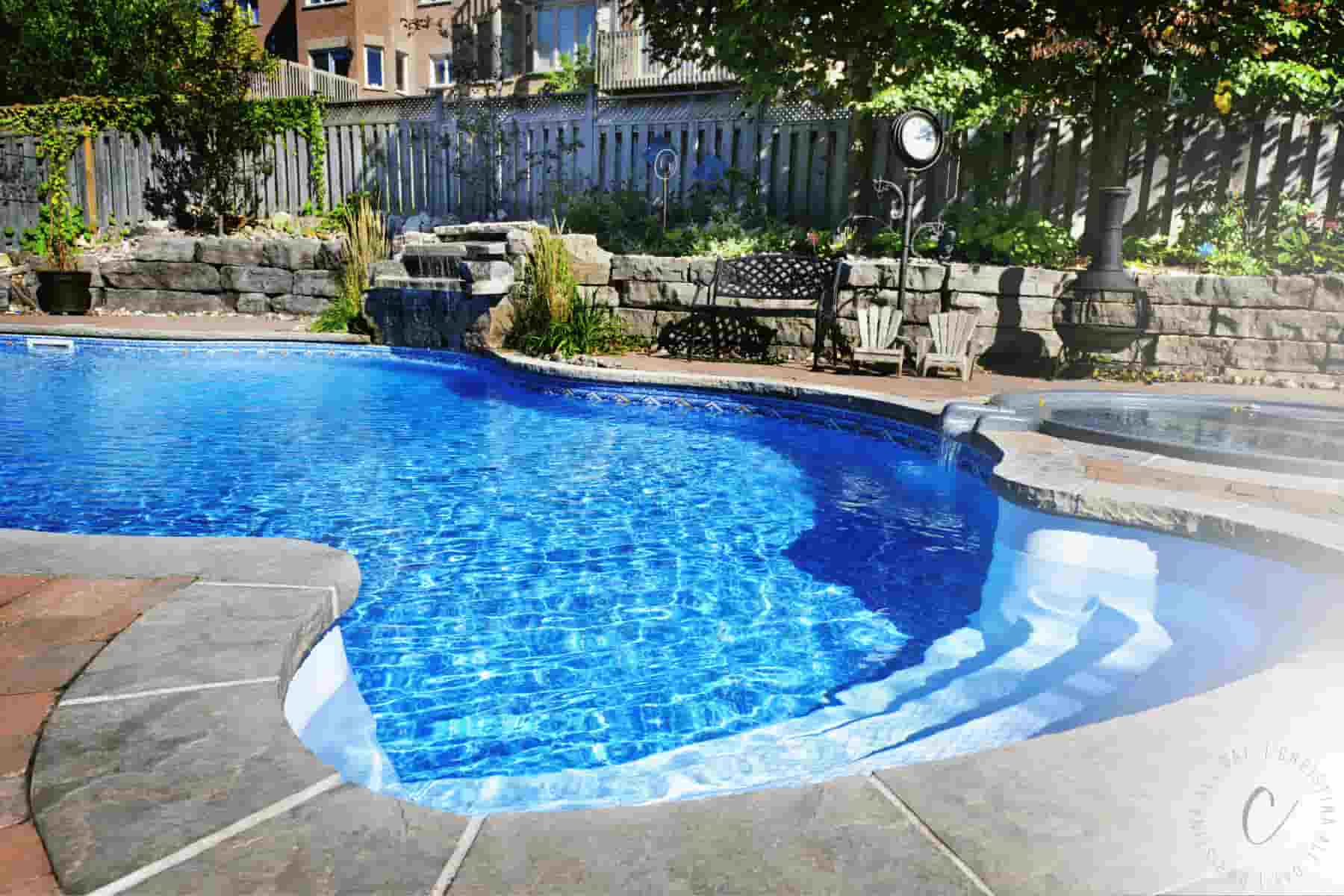

Indoor swimming pools present a fundamentally different water-quality challenge than outdoor pools. While chlorine remains a necessary baseline disinfectant, relying on chlorine alone in enclosed environments leads to poor air quality, strong odors, eye irritation, and elevated health risks. As regulations tighten and facilities seek healthier, more sustainable solutions, ozone has become a critical secondary treatment — not an optional upgrade.
This article explains why chlorine alone is insufficient for indoor pools, how ozone addresses its limitations, and why modern indoor aquatic facilities increasingly depend on ozone systems.
Chlorine is effective at killing pathogens, but its byproducts are the real issue — especially indoors.
When chlorine reacts with:
it forms chloramines.
In outdoor pools, chloramines off-gas and disperse into the open air. In indoor pools, they accumulate.
This leads to:
According to guidance aligned with organizations like Centers for Disease Control and Prevention, chloramine buildup is one of the primary causes of indoor pool complaints.
A common misconception is that increasing chlorine dosage solves water problems. In reality:
This creates a cycle of:
irritation → shock → odor → irritation
Indoor pools need oxidation, not just disinfection.
Ozone (O₃) is one of the most powerful oxidizers used in water treatment.
Ozone:
Unlike chlorine, ozone works before byproducts form.
Air quality is where ozone delivers its greatest indoor advantage.
By eliminating chloramines in the water, ozone prevents them from:
Facilities using ozone consistently report:
This aligns with indoor pool health guidance recognized by World Health Organization.
Indoor pools concentrate exposure.
Studies consistently associate long-term exposure to chloramines with:
Ozone reduces these risks by preventing chloramine formation, not masking it.
| Function | Chlorine | Ozone |
|---|---|---|
| Primary disinfection | ✔ | ✔ |
| Chloramine destruction | ✖ | ✔ |
| Oxidation of organics | Limited | Excellent |
| Air quality improvement | ✖ | ✔ |
| Works without residual | ✖ | ✔ (with chlorine backup) |
| Pathogen inactivation speed | Moderate | Extremely fast |
Important: Ozone does not replace chlorine — it supports it.
Ozone has no lasting residual in pool water. For this reason:
However, with ozone:
This combination is now considered best practice for indoor aquatic facilities.
Across Europe and North America:
Many new or renovated facilities now specify:
Ozone systems are especially favored in:
While ozone systems require upfront investment, indoor facilities see long-term savings through:
When lifecycle cost is considered, ozone systems often outperform chlorine-only designs.
“Ozone is dangerous.”
Incorrect. Properly designed pool ozone systems destroy ozone before water returns to the pool.
“Ozone replaces chlorine.”
False. Ozone complements chlorine — it does not eliminate the need for a residual sanitizer.
“UV does the same thing.”
UV helps, but ozone provides far superior oxidation and water clarity benefits.
Indoor pools amplify every weakness of chlorine-only treatment:
Ozone directly addresses these issues at their source.
For modern indoor pools, ozone is not a luxury — it is a necessity.
The Delozone Editorial Team researches water treatment, pool and spa, and indoor air products for independent buying guides. We compare products using manufacturer specifications, certification listings such as NSF/ANSI, UL, AHAM and Energy Star, published third-party test data and verified owner feedback. We do not sell products, and affiliate commissions never decide what we recommend.