Independent buying guides for home air, water and safety.
As an Amazon Associate, Delozone earns from qualifying purchases.
Independent buying guides for home air, water and safety.
As an Amazon Associate, Delozone earns from qualifying purchases.

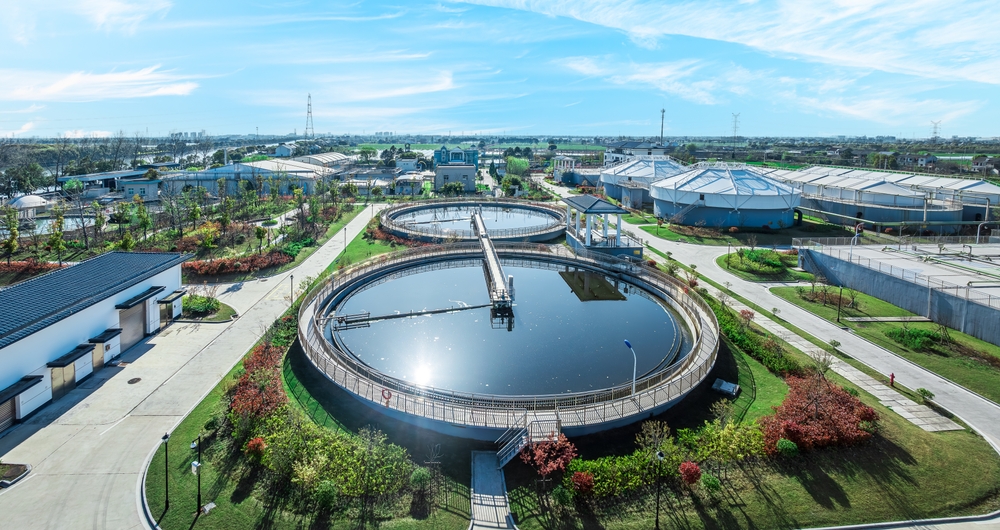

Water Treatment Innovations are reshaping how we protect public health and industrial processes. In this article we explore the trends that will dominate the sector throughout 2026 and beyond.
We have observed a rapid shift toward high‑frequency pulsed discharge generators that produce ozone with fewer by‑products. The technology relies on micro‑second bursts of electricity that break down oxygen molecules more efficiently than traditional corona discharge. Operators report that the resulting ozone streams contain higher concentrations while using less power, which translates into measurable cost savings.
Because the pulsed approach reduces electrode wear, maintenance intervals lengthen dramatically. Facilities that have adopted the new generators note a drop in unplanned downtime of up to 30 percent. This reliability boost is especially valuable for municipal plants that must meet strict discharge limits.
Our team has incorporated this technology into several pilot projects, linking the results to the Ozone Water Treatment Guide. The data demonstrate that the pulsed systems can achieve disinfection levels comparable to chlorine while eliminating harmful chlorination by‑products.
Solid‑state modules replace traditional glass or ceramic tubes with compact, sealed units that integrate the power supply and reactor. This design eliminates the need for external cooling water, simplifying installation in confined spaces. The modules are also compatible with modular plant layouts, allowing rapid scaling as demand fluctuates.
During 2026 we expect manufacturers to release next‑generation modules that incorporate built‑in diagnostics. These diagnostics will alert operators to voltage drift or temperature excursions before performance degrades. Early detection helps maintain consistent ozone output and protects downstream processes.
Our recent case study showed that a solid‑state system reduced overall footprint by 40 percent while delivering the same treatment capacity as a legacy unit. The study is referenced in the Commercial Ozone Water Treatment Guide, highlighting the commercial viability of the approach.
Combining ozone with ultraviolet (UV) light creates a synergistic effect that accelerates pathogen inactivation. Ozone weakens cellular walls, allowing UV photons to penetrate more easily. This dual action can achieve log‑level reductions of viruses and protozoa in a single pass.
Recent laboratory work suggests that hybrid units can operate at lower UV intensities, which reduces lamp wear and energy use. The ozone component compensates for the reduced UV dose, maintaining overall efficacy. Facilities that have adopted hybrid systems report a 15 percent drop in electricity costs compared with UV‑only installations.
We have integrated hybrid technology into a municipal plant that serves 250,000 residents. The plant now meets the most stringent drinking‑water standards while operating below its previous energy budget.
Nanofiltration membranes traditionally suffer from fouling caused by organic matter and biofilm growth. Introducing low‑dose ozone into the feed stream disrupts the formation of these layers, extending membrane life. The ozone reacts with foulants, breaking them into smaller, more soluble fragments that pass through the membrane without clogging pores.
Field trials demonstrate that ozone‑enhanced nanofiltration can double the cleaning interval for high‑temperature applications. Operators also note a reduction in chemical cleaning costs, as the need for harsh solvents declines. The overall process becomes more environmentally friendly while maintaining high rejection rates for contaminants.
Our engineering team has documented these results in a technical brief that references the Ozone Water Treatment Guide. The brief outlines design considerations for retrofitting existing nanofiltration units with ozone injection points.
Forward osmosis (FO) relies on a concentration gradient to draw water across a semi‑permeable membrane. When the feed water contains high levels of organics, the gradient can collapse quickly due to fouling. Applying ozone before the FO membrane stabilizes the feed quality, preserving the driving force.
Recent pilot data show that ozone pre‑treatment can increase water flux by up to 25 percent under identical operating conditions. The improvement stems from reduced surface tension and the breakdown of high‑molecular‑weight compounds. Facilities that have adopted this approach report higher overall recovery rates without sacrificing product water quality.
We have incorporated these findings into a design guide for FO systems, linking the guidance to the Commercial Ozone Water Treatment Guide. The guide provides step‑by‑step calculations for sizing ozone injectors based on feed characteristics.
Dynamic membranes form in‑situ on a support material, allowing rapid adaptation to changing water quality. Adding ozone to the dynamic membrane environment discourages biofilm growth, which would otherwise increase resistance. This strategy enables continuous operation with minimal manual cleaning.
Operators have reported that dynamic membrane‑ozone systems can run for weeks without a performance drop, even when treating wastewater with high biochemical oxygen demand. The reduced cleaning frequency translates into labor savings and lower chemical usage.
Our recent field report highlights a municipal wastewater plant that switched to a dynamic membrane‑ozone configuration and achieved a 20 percent reduction in sludge production. The report is available on our website and references the broader context of ozone‑based treatment.
Artificial‑intelligence models now analyze sensor streams to anticipate equipment wear before failure occurs. By learning patterns from historical data, the algorithms can schedule maintenance during low‑demand periods, minimizing disruption. This predictive capability is especially valuable for ozone generators, which are sensitive to electrode degradation.
Implementation of these algorithms has led to a 12 percent decrease in unplanned outages across several pilot sites. The models also suggest optimal operating points that balance ozone output with energy consumption, helping plants stay within budget.
We have integrated predictive maintenance modules into our control platform, offering customers a seamless upgrade path. The platform’s dashboard presents actionable insights without overwhelming operators with raw data.
Real‑time optimization tools adjust dosing rates based on continuous water‑quality measurements. When turbidity spikes, the system automatically raises ozone concentration to maintain target log reductions. Conversely, when water quality improves, the system backs off to conserve energy.
Recent deployments show that real‑time optimization can cut ozone usage by up to 18 percent while still meeting regulatory limits. The approach also reduces the need for manual set‑point adjustments, freeing staff for higher‑value tasks.
Our solution integrates with existing SCADA systems, pulling data from flow meters, pH probes, and UV sensors. The integration is documented in a technical note that references the Ozone Water Treatment Guide for best practices.
Machine‑learning models can identify hidden relationships between process variables that traditional engineering methods overlook. By training on large datasets, the models suggest parameter tweaks that improve overall system efficiency. These suggestions often involve subtle changes to temperature, pressure, or residence time.
Case studies reveal that applying machine‑learning‑derived adjustments can raise treatment throughput by 10 percent without additional capital investment. The improvements stem from more precise control of reaction kinetics, especially in ozone‑dependent pathways.
We have published a white paper describing the methodology and providing a template for plant operators. The paper includes a step‑by‑step guide for gathering data, training models, and validating results.
Traditional ozone reactors operate at elevated temperatures to accelerate reaction rates, which consumes extra energy. New low‑temperature designs leverage advanced catalyst coatings that maintain high conversion efficiency at ambient conditions. This shift reduces the thermal load on the plant and lowers utility bills.
Field data indicate that low‑temperature reactors can achieve the same disinfection performance while consuming 25 percent less heat energy. The reactors also produce fewer nitrogen oxides, contributing to a cleaner emissions profile.
Our engineering team has conducted side‑by‑side comparisons, documenting the performance gains in a technical brief. The brief is linked to the Commercial Ozone Water Treatment Guide for reference.
Heat‑recovery loops capture waste heat from ozone generation and reuse it in pre‑heating incoming water streams. By recycling thermal energy, plants can reduce the load on boilers or heat‑pump systems. The concept is particularly effective for large‑scale facilities with continuous operation.
Recent installations have reported a 15 percent reduction in overall energy consumption after integrating heat‑recovery loops. The savings translate into lower carbon footprints and better compliance with sustainability goals.
We have developed a sizing calculator that helps engineers determine the appropriate heat‑exchanger capacity based on plant throughput. The calculator is available on our website and includes examples drawn from real‑world projects.
Solar photovoltaic arrays can directly power ozone generators, providing a renewable energy source for disinfection. The intermittent nature of solar output is mitigated by battery storage, which supplies power during cloudy periods or at night. This configuration enables off‑grid treatment plants to operate autonomously.
Pilot plants in sunny regions have demonstrated that solar‑powered ozone systems can meet 80 percent of their energy needs without compromising treatment quality. The reduction in grid dependence also improves resilience against power outages.
Our research team has compiled a guide that outlines the steps for integrating solar panels with ozone equipment. The guide references the Ozone Water Treatment Guide for safety and performance considerations.
Regulators are tightening limits on disinfection by‑products (DBPs) such as trihalomethanes and haloacetic acids. Ozone offers a pathway to meet these limits because it does not generate chlorine‑based DBPs. However, ozone can produce bromate when bromide is present, so careful monitoring is required.
Recent amendments to the Safe Drinking Water Act mandate routine bromate testing for facilities that use ozone. Plants that adopt low‑dose ozone strategies combined with real‑time monitoring can stay within the new thresholds without extensive retrofits.
We have updated our compliance checklist to reflect the latest requirements, and the checklist is accessible through our online portal. The document also highlights best practices for bromate mitigation.
Many jurisdictions now require detailed reporting of energy consumption for water‑treatment operations. The data help agencies assess the environmental impact of treatment facilities and encourage adoption of low‑energy technologies. Ozone‑based systems, when optimized, often outperform traditional chlorination in energy metrics.
Our software platform includes a reporting module that automatically aggregates energy data and formats it for regulatory submission. The module reduces the administrative burden on plant staff and improves data accuracy.
We have conducted webinars to walk customers through the new reporting process, and recordings are available on our website. The webinars also discuss how to leverage the data for continuous improvement.
Certification bodies are introducing new performance standards for ozone generators, focusing on safety, emissions, and reliability. Certified equipment must demonstrate consistent ozone output under a range of operating conditions. The certification process includes third‑party testing and documentation review.
Manufacturers that achieve certification gain a competitive edge, as many utilities now require certified equipment for procurement. The certification also provides assurance that the equipment meets the latest environmental guidelines.
Our team assists clients in preparing the necessary documentation and coordinating testing with accredited labs. We have helped several partners obtain certification, accelerating their market entry.
Ozone provides higher oxidation potential, which destroys a broader spectrum of microorganisms. It also avoids the formation of chlorinated by‑products that are regulated in many regions. Additionally, ozone decomposes to oxygen, leaving no residual chemicals in the treated water.
Dosage depends on water quality, target log reduction, and flow rate. Conducting bench‑scale tests with representative water samples helps establish a baseline. Once a baseline is set, real‑time monitoring can fine‑tune the dosage to maintain performance.
Ozone is a strong oxidant and can be hazardous at high concentrations. Proper ventilation, leak detection, and interlock systems are essential to protect personnel. Our equipment includes built‑in safety features that shut down generation if unsafe levels are detected.
Yes, ozone is effective for breaking down complex organic compounds commonly found in industrial effluents. It can also reduce color and odor, improving the aesthetic quality of discharged water. Integration with membrane or biological processes can further enhance treatment efficiency.
Electrode life varies with operating conditions, but modern designs often exceed 10,000 operating hours. Regular monitoring of voltage and current helps identify early signs of wear. When maintenance is performed according to manufacturer recommendations, electrodes can last several years.
The Delozone Editorial Team researches water treatment, pool and spa, and indoor air products for independent buying guides. We compare products using manufacturer specifications, certification listings such as NSF/ANSI, UL, AHAM and Energy Star, published third-party test data and verified owner feedback. We do not sell products, and affiliate commissions never decide what we recommend.