Physical Address
304 North Cardinal St.
Dorchester Center, MA 02124
Physical Address
304 North Cardinal St.
Dorchester Center, MA 02124


Hot tub chemicals are a necessary part of spa ownership — but many owners use far more than they need. Excessive chemicals cause skin irritation, strong odors, equipment damage, and higher costs. This guide explains proven strategies to reduce chemical use in your hot tub while keeping water safe, clear, and comfortable.
Hot tubs create a perfect storm for chemical consumption:
The result: many hot tub owners find themselves adding chemicals constantly just to keep up. But there’s a better way.
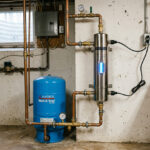
This is the single most effective step. An ozone system reduces sanitizer use by 50-70% by handling the primary oxidation work. Ozone destroys bacteria, breaks down organic contaminants, and eliminates the compounds that create chemical demand.
With ozone:
A quality ozone generator costs $50-$400 and installs in under an hour. See our best hot tub ozone generators guide for recommendations.
This simple habit has an outsized impact. A quick 60-second rinse removes:
Studies show that a pre-spa shower reduces organic contamination by 40-60%, directly reducing the amount of sanitizer the water consumes. If every bather showers first, you’ll notice a dramatic difference in water quality and chemical consumption.
Enzyme-based spa products break down organic compounds (oils, lotions, cosmetics) that create the majority of your chemical demand. Benefits:
Add weekly per manufacturer instructions. Enzymes complement both ozone and traditional sanitizers.
pH directly controls sanitizer effectiveness. At pH 7.2, chlorine is 66% active (as HOCl). At pH 7.8, it’s only 33% active — you need twice as much chlorine for the same disinfection.
Keep pH at 7.2-7.4 for maximum sanitizer efficiency. This alone can reduce chlorine consumption by 30-50% compared to running at pH 7.8+. Test and adjust 2-3 times per week.
For hot tubs specifically, bromine offers advantages that reduce overall chemical use:
The ozone + bromine combination is considered the gold standard for hot tub chemistry.
Better filtration means less work for your chemicals:
As TDS (total dissolved solids) accumulates, chemical effectiveness drops and you need more chemicals to achieve the same results. Regular water changes reset the chemical balance:
| Method | Chemical Reduction | Cost to Implement | Effort |
|---|---|---|---|
| Ozone generator | 50-70% | $50-$400 | One-time install |
| Pre-soak shower | 40-60% less organic load | Free | Habit change |
| Enzyme products | 15-25% | $40-$80/year | Weekly dose |
| Optimize pH (7.2-7.4) | 30-50% more sanitizer efficiency | Free (better testing) | 2-3x weekly testing |
| Switch to bromine | More efficient in heat | Similar to chlorine | One-time switch |
| Better filtration | 10-20% | $30-$100/year filters | Regular cleaning |
| Timely water changes | Maintains efficiency | Water cost only | Quarterly-biannual |
| All combined | 70-85% total reduction | — | — |
| Parameter | Traditional Chemical-Heavy Spa | Optimized Low-Chemical Spa |
|---|---|---|
| Bromine/chlorine | 3-5 ppm / 1-3 ppm | 1-2 ppm / 0.5-1.0 ppm |
| Shock frequency | Weekly | Monthly or after heavy use |
| Chemical smell | Strong, noticeable | Minimal to none |
| Skin feel | Dry, itchy after use | Soft, comfortable |
| Foam | Frequent | Rare (with enzymes) |
| Annual chemical cost | $200-$400 | $60-$150 |
Yes — when done correctly. Low-chemical spas using ozone or AOP often provide better sanitation than chemical-heavy spas because:
The key is replacing chemical oxidation with ozone oxidation — not simply removing chemicals. Learn more about ozone safety.
No. Even with ozone or AOP, a small sanitizer residual is needed for protection between circulation cycles. Truly chemical-free hot tub water is not safe. The goal is low-chemical, not zero-chemical.
Ozone + bromine + enzymes + proper pH management. This combination typically allows 1-2 ppm bromine with monthly shocking — about 70-80% less chemical use than a traditional setup.
Not if you add supplemental oxidation (ozone). Ozone actually improves clarity beyond what chemicals alone can achieve. If cloudiness occurs, it’s usually a filtration or pH issue, not insufficient chemicals.
With ozone and optimized maintenance, expect to save $100-$300 per year on chemicals. The ozone generator ($50-$400) typically pays for itself within 1-2 years.
James Crawford brings 20 years of hands-on experience in commercial water systems, from aquatics facilities to industrial wastewater treatment. He covers system sizing, regulatory compliance, and evaluates ozone equipment for large-scale operations.