Physical Address
304 North Cardinal St.
Dorchester Center, MA 02124
Physical Address
304 North Cardinal St.
Dorchester Center, MA 02124

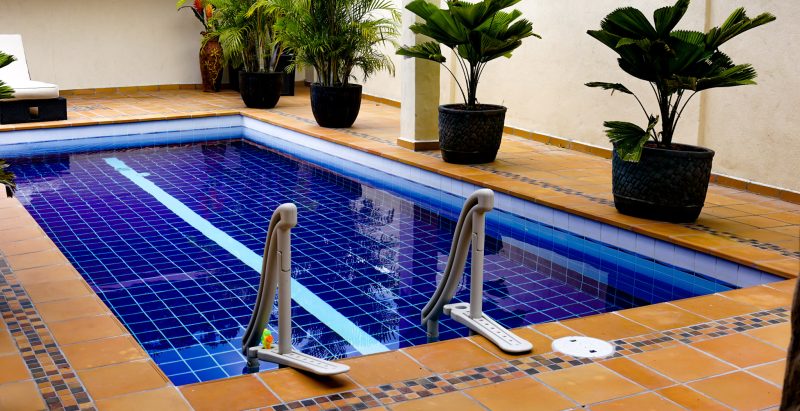

We often hear swimmers complain about the sharp, lingering smell that seems to cling to indoor pool environments. by breaking down the compounds that cause those odors, creating a fresher and more comfortable swimming experience.
When chlorine reacts with nitrogen‑containing compounds such as sweat, urine, or skin oils, a series of reactions produces chloramines. The first step typically yields monochloramine, which can further react to form dichloramine and trichloramine, the latter being the most volatile. These volatile chloramines escape into the air, especially in indoor settings where ventilation is limited. Understanding this pathway helps us target the root cause rather than merely masking the smell.
Indoor pools often operate with higher bather loads, which accelerates the formation of chloramines. The limited air exchange in enclosed facilities means that the concentration of trichloramine can rise quickly, creating a noticeable odor. This odor is not just unpleasant; it can also irritate the eyes and respiratory system. By recognizing the chemistry, we can design treatment strategies that interrupt the process.
Our approach focuses on destroying the chloramine molecules before they become airborne. This requires a reactive agent that can reach the same molecular level as the chloramines themselves. Ozone, with its strong oxidative power, fits this requirement perfectly. When ozone encounters chloramine, it breaks the molecular bonds, converting them into harmless nitrogen and oxygen gases.
Exposure to elevated chloramine levels can lead to a range of health complaints among swimmers and staff. Common symptoms include eye irritation, throat discomfort, and occasional coughing. In more severe cases, individuals with asthma may experience heightened respiratory distress. These effects stem from the irritant nature of trichloramine, which readily penetrates mucous membranes.
Long‑term exposure, even at moderate levels, may contribute to chronic respiratory issues. Studies have linked indoor pool environments with increased incidence of bronchial hyper‑reactivity among frequent swimmers. By reducing chloramine concentrations, we lower the risk of such adverse outcomes. This health benefit is a key driver for many facilities seeking to upgrade their water treatment processes.
Our team has observed noticeable improvements in swimmer comfort after implementing ozone systems. Feedback often highlights reduced eye redness and fewer instances of post‑swim coughing. These subjective reports align with measured reductions in airborne chloramine. The result is a more welcoming environment that encourages regular use of the pool.
Swimmers frequently mention a distinct “chlorine” smell that lingers on their skin and clothing after a session. This odor is actually trichloramine, which can cling to fabrics and persist long after exiting the water. Many also report a metallic taste in the mouth, another sign of chloramine presence.
Beyond sensory complaints, some individuals experience skin dryness or rash after repeated exposure. The irritant nature of chloramines can strip natural oils from the skin, leading to discomfort. Addressing the source of these symptoms improves overall user satisfaction.
Our observations show that once ozone treatment is active, the frequency of these complaints drops dramatically. Swimmers notice a cleaner scent and fewer respiratory irritations. This positive feedback loop reinforces the value of ozone as a core component of pool water management.
Modern ozone generators rely on either corona discharge or ultraviolet (UV) radiation to split oxygen molecules. In corona discharge, a high‑voltage electric field forces O₂ molecules to separate and recombine as O₃. UV‑based systems use a specific wavelength to achieve the same result, often with lower energy consumption.
Both methods produce ozone at concentrations suitable for pool treatment, but each has distinct operational characteristics. Corona discharge units typically deliver higher ozone output, making them ideal for larger facilities. UV generators, while slightly less powerful, offer a compact footprint and quieter operation.
We select the appropriate technology based on pool size, usage patterns, and existing infrastructure. Matching the generator to the facility’s needs ensures efficient chloramine reduction without unnecessary waste. This tailored approach maximizes the return on investment for pool owners.
When ozone encounters chloramine, a rapid oxidation reaction occurs. The ozone molecule adds an oxygen atom to the chloramine, destabilizing its structure. This process converts chloramine into nitrogen gas, water, and oxygen, all of which are harmless to swimmers.
The reaction is highly selective, targeting chloramine while leaving the primary disinfectant—free chlorine—largely untouched. This selectivity preserves the sanitizing power of the pool water. It also means that we can maintain lower chlorine dosages, reducing chemical costs.
Our field data demonstrates that ozone can achieve up to a 90 % reduction in trichloramine within minutes of activation. This rapid response helps maintain air quality even during peak usage periods. The result is a consistently pleasant environment for both swimmers and staff.
One concern with ozone use is the formation of bromate when bromide ions are present in the water. Bromate is a regulated by‑product, but its concentration remains low when ozone dosage is carefully controlled. We monitor bromate levels regularly to stay within safe limits.
Ozone itself is a powerful oxidant and must be managed to protect equipment and personnel. Proper venting and off‑gas destruction systems prevent ozone from accumulating in the air. Our installations include sensors that trigger alarms if ozone concentrations exceed prescribed thresholds.
Overall, the safety profile of ozone is favorable when best practices are followed. The benefits of chloramine reduction far outweigh the minimal risks associated with controlled ozone exposure. By adhering to industry guidelines, we ensure a secure and effective treatment environment.
Accurate sizing begins with calculating the pool’s volume and the expected chloramine load. We use a standard formula that considers bather density, water turnover rate, and existing chlorine levels. The resulting ozone demand guides the selection of a generator with sufficient capacity.
Oversizing can lead to unnecessary energy consumption, while undersizing may fail to achieve the desired odor reduction. We balance these factors by conducting a pilot test in a controlled section of the pool. This test provides real‑world data that refines the final system design.
Our experience shows that a well‑sized generator reduces chloramine levels by at least 80 % within the first week of operation. This rapid improvement validates the sizing methodology and builds confidence among pool operators.
Effective ozone distribution relies on strategic placement of diffusers throughout the circulation loop. We typically install diffusers near the pump outlet to maximize contact with water before it reaches the filtration media. This positioning ensures that ozone has sufficient time to react with chloramine.
Contact time is a critical parameter; ozone must remain in the water long enough to complete the oxidation reaction. We calculate the required residence time based on flow rate and diffuser design. Adjustments to pipe diameter or flow speed can fine‑tune this interval.
Our installations often incorporate multiple diffusers to achieve uniform ozone dispersion. This approach eliminates dead zones where chloramine might otherwise persist. The result is a consistently low odor level throughout the pool area.
Ozone can be added to the water stream without disrupting the existing filtration system. We connect the ozone injection point upstream of the filter, allowing the filter to capture any residual particles while ozone continues to work downstream. This configuration preserves the longevity of filter media.
Some facilities choose to pair ozone with additional treatment steps such as UV clarification or activated carbon. These complementary technologies address specific water quality challenges, such as organic contaminants or taste issues. We design the integration to avoid redundancy and maintain operational simplicity.
Our integrated solutions have demonstrated a reduction in filter back‑wash frequency, translating to lower maintenance costs. The synergy between ozone and filtration creates a more resilient water management system.
Regular monitoring ensures that ozone output remains within the target range for effective chloramine control. We employ dissolved ozone sensors that provide real‑time data to a central control panel. This information allows operators to adjust generator settings promptly.
In addition to ozone measurements, we track chloramine concentrations using air‑sampling equipment placed near the pool deck. These readings confirm that the odor reduction goals are being met. Consistent data collection helps identify trends and prevent unexpected spikes.
Our maintenance schedule includes weekly verification of sensor accuracy and monthly calibration of the ozone generator. This disciplined approach maintains system performance over the long term.
Routine tasks include inspecting diffuser tubes for clogging and cleaning the ozone generator’s corona electrodes. We recommend a visual inspection at least once a month, followed by a thorough cleaning every six months. These actions prevent performance degradation caused by mineral buildup.
We also check the integrity of the off‑gas destruction system to ensure that ozone does not escape into the pool area. Regular testing of vent filters and catalytic converters is essential for safety compliance. Documentation of each maintenance activity supports regulatory audits.
By following a structured maintenance plan, we keep the ozone system operating at peak efficiency. This reliability translates into sustained chloramine reduction and lower operational costs.
One frequent issue is a drop in ozone output due to electrode wear. When this occurs, the generator may produce insufficient ozone to meet the chloramine load. Replacing the electrodes restores full capacity and resolves the odor problem.
Another common problem is the formation of ozone bubbles that accumulate in the pump housing. This can cause cavitation and reduce pump life. Installing a vent or adjusting the diffuser design eliminates bubble buildup.
Our troubleshooting guide also addresses sensor drift, which can lead to inaccurate ozone readings. Re‑calibrating the sensor or replacing it if necessary resolves the discrepancy. Prompt attention to these issues prevents prolonged periods of elevated chloramine.
Initial investment in an ozone system is higher than simply adding more chlorine, but the long‑term savings are substantial. Ozone reduces the need for high chlorine dosages, which lowers chemical purchase costs. Additionally, fewer chlorine purchases mean reduced storage and handling expenses.
Operational costs are also favorable because ozone generators consume relatively little electricity compared to the energy required for extensive filtration. Our financial models show a payback period of 2–3 years for most indoor pool facilities. After this period, the system generates net savings each year.
These economic advantages make ozone an attractive option for budget‑conscious pool operators. The reduced chemical footprint also aligns with sustainability goals, enhancing the facility’s public image.
Ozone generation is an energy‑efficient process, especially when using modern corona discharge units. The electricity required per gram of ozone produced is lower than the energy needed for equivalent chlorine production. This efficiency translates into a smaller carbon footprint for the pool operation.
By decreasing chlorine usage, we also cut down on the emissions associated with chlorine manufacturing and transport. The overall environmental impact of the pool becomes markedly lower. Facilities that report these improvements often receive positive recognition from local regulators.
Our sustainability assessments indicate that an ozone‑treated indoor pool can reduce its greenhouse gas emissions by up to 30 % compared with a conventional chlorine‑only system. This reduction contributes to broader climate goals and can be highlighted in marketing materials.
Chlorine can be corrosive to metal components, pumps, and lighting fixtures. By lowering chlorine concentrations, ozone helps protect these assets from premature wear. This protective effect extends the service life of critical equipment.
Reduced chemical stress also means fewer replacement parts and lower labor costs for repairs. Our clients often report a noticeable decline in maintenance calls after ozone implementation. The extended equipment lifespan further enhances the return on investment.
Overall, the combination of cost savings, environmental benefits, and equipment preservation makes ozone a compelling choice for indoor pool management.
For deeper guidance on ozone water treatment, explore our Ozone Water Treatment Guide. Detailed instructions on selecting and installing a pool ozone system are available in the Pool Ozone System Guide. Learn more about the broader advantages of ozone in the Benefits of Ozone Water Treatment page.
Ozone does not remove chlorine itself; instead, it destroys the chloramine by‑products that create the odor. When chloramine levels are reduced to near‑zero, the characteristic “chlorine” smell disappears. Swimmers notice a cleaner scent and a more pleasant environment. The process is effective as long as the ozone system is properly sized and maintained.
We recommend a visual inspection at least once a month, focusing on diffuser integrity and electrode condition. A thorough cleaning and performance check should be performed every six months. These inspections help maintain consistent ozone output and prevent unexpected odor spikes. Keeping a maintenance log simplifies compliance with safety regulations.
When managed correctly, ozone concentrations in the water remain well below harmful levels. Off‑gas destruction units ensure that any ozone released into the air is quickly neutralized. We install sensors that trigger alarms if ozone exceeds safe thresholds. With these safeguards, ozone treatment poses no health risk to occupants.
Ozone itself does not significantly alter pH, but the reduction in chlorine usage can lead to minor pH fluctuations. Regular monitoring of pH and automatic dosing systems keep the water chemistry within the desired range. Adjustments are typically small and easy to manage. The overall impact on pH stability is minimal.
Yes, ozone works well alongside UV clarification, activated carbon filters, and traditional filtration. Each technology addresses a specific aspect of water quality, creating a comprehensive treatment strategy. We design the system layout to avoid redundancy and maximize efficiency. Combining methods can further improve water clarity and safety.
Financial models show a payback period ranging from 2 to 3 years for most indoor pool facilities. Savings arise from reduced chemical purchases, lower energy consumption, and decreased equipment wear. After the payback period, the system continues to generate net savings each year. The exact timeline depends on pool size, usage, and existing chemical costs.
James Crawford brings 20 years of hands-on experience in commercial water systems, from aquatics facilities to industrial wastewater treatment. He covers system sizing, regulatory compliance, and evaluates ozone equipment for large-scale operations.