Physical Address
304 North Cardinal St.
Dorchester Center, MA 02124
Physical Address
304 North Cardinal St.
Dorchester Center, MA 02124


Carbon Filters vs Ozone vs UV is a question that many homeowners ask when they want clearer, safer drinking water. We have examined the science, the economics, and the practical aspects to help you decide which technology fits your household best.
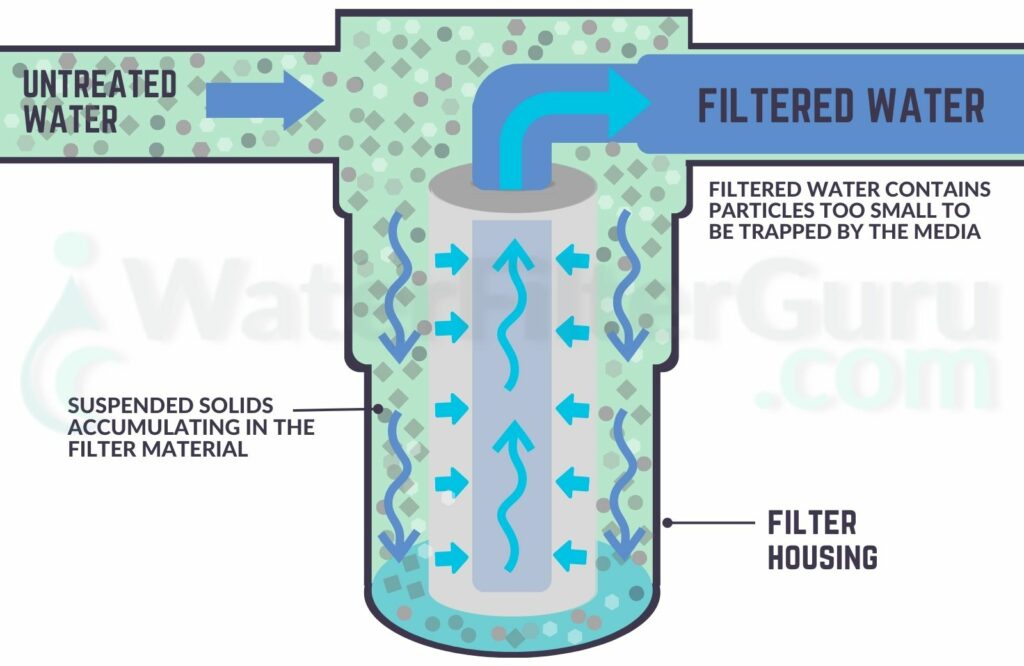
Carbon filters rely on adsorption, a process where contaminants stick to the surface of activated carbon particles. The porous structure of the carbon creates a massive surface area that captures organic molecules, chlorine, and many volatile compounds. Over time the pores become saturated, which is why regular replacement is essential for continued performance.
We often pair carbon filtration with a pre‑filter to trap larger sediments that could clog the carbon bed. This two‑stage approach protects the carbon and extends its service life. The result is water that tastes fresher and smells cleaner, which many households appreciate.
For a deeper look at carbon filtration basics, see our home water filtration guide. The guide outlines how carbon interacts with common household contaminants and offers tips for selecting the right cartridge size.
Ozone is a powerful oxidant that reacts with organic and inorganic substances, breaking them down into harmless by‑products. In a typical residential system, an ozone generator produces gas that dissolves into the water stream, where it attacks bacteria, viruses, and protozoa. The oxidation reaction also reduces unpleasant tastes and odors caused by certain chemicals.
Because ozone reverts to oxygen within minutes, it does not remain in the water after treatment, leaving no residual taste. However, the system requires a reliable power source and periodic checks of the generator’s output to maintain effectiveness. Proper venting is also important to avoid exposure to ozone gas in the home environment.
Our ozone water treatment guide provides a step‑by‑step overview of system components, installation considerations, and safety best practices.
UV disinfection employs ultraviolet light at a wavelength of 254 nanometers to damage the DNA of microorganisms, rendering them unable to reproduce. Water passes through a quartz sleeve where it is exposed to the UV photons for a short, controlled period. The process does not alter the chemical composition of the water, so taste and mineral content remain unchanged.
We recommend using a flow‑rated UV unit that matches your household’s peak demand to guarantee sufficient exposure time. The lamp’s intensity declines over time, so manufacturers typically suggest lamp replacement every 12‑18 months. A clean sleeve is also critical; mineral buildup can block UV light and reduce efficacy.
When evaluating UV options, consider the total dissolved solids (TDS) level in your water, as high TDS can cause scaling on the sleeve. Regular maintenance ensures the system continues to in a broad spectrum of pathogens.
Carbon filters achieve high removal rates for chlorine, chloramine, and many organic compounds, often exceeding 90 % in laboratory tests. They also reduce certain pesticides and herbicides, though their effectiveness against heavy metals varies with the carbon type. For households concerned about taste and odor, carbon is typically the first line of defense.
Ozone excels at inactivating bacteria, viruses, and protozoa, with reported log‑reduction values (LRVs) of 3‑5 for many pathogens. It also breaks down some chemicals that carbon cannot address, such as certain industrial solvents. However, ozone does not remove dissolved solids or heavy metals, so it is often paired with another treatment step.
UV systems achieve LRVs of 3‑5 for most microorganisms, including chlorine‑resistant cysts like Cryptosporidium. The technology does not affect chemical contaminants, so it is best used alongside a filtration stage that handles particulates and dissolved substances.
Because carbon adsorbs volatile organic compounds, it often produces the most noticeable improvement in taste and odor. Households that report “flat” or “metallic” water after treatment usually benefit from a carbon stage that removes the offending molecules. The process does not add any flavor, preserving the natural mineral profile.
Ozone can mask certain odors by oxidizing them, but the reaction may also generate by‑products with a faint chlorine‑like scent if not properly managed. Most users notice a neutral taste after ozone treatment, especially when the system is followed by a carbon polish filter.
UV disinfection leaves the water’s flavor unchanged, which is ideal for those who prefer the original mineral taste. Because UV does not interact with chemicals, any existing taste or odor issues must be addressed by a complementary filter.
Carbon filters operate continuously as water passes through the media, so they can handle a wide range of flow rates without a noticeable pressure drop. However, overly high flow can reduce contact time, slightly lowering removal efficiency. Selecting a filter rated for your household’s peak demand helps maintain performance.
Ozone systems require a residence contact time, typically a few seconds, to achieve full oxidation. This means the system must be sized appropriately for the flow rate; otherwise, the ozone concentration may be insufficient to inactivate pathogens. Manufacturers provide flow‑rate charts to guide proper sizing.
UV units are rated by gallons per minute (GPM) and must be matched to the water usage pattern. If the flow exceeds the unit’s rating, the exposure time drops, reducing disinfection efficacy. Installing a flow‑control valve can help keep the water within the optimal range.
Carbon filter systems are generally the most affordable entry point, with basic countertop units costing under $100 and whole‑house models ranging from $300 to $800. Installation is straightforward for many DIY enthusiasts, especially when the system is designed for point‑of‑use applications.
Ozone generators are more expensive, often starting around $500 for a residential unit and climbing to $2,000 for larger installations. Professional installation is recommended because the system involves electrical components and gas handling, which adds to the overall cost.
UV systems fall in the middle of the price spectrum, with starter kits priced between $150 and $400. Installation may require a small electrical hookup and a clear space for the UV chamber, but many homeowners can complete the setup with basic tools.
Carbon cartridges need replacement every 6‑12 months, depending on usage and water quality. The cost of replacement cartridges varies, typically $30‑$80 each, and the frequency adds up over the years. Some premium carbon systems use larger media that extend the service interval.
Ozone generators have a relatively low consumable cost because the gas is produced on demand. However, the generator’s electrodes wear out and may need replacement every 2‑3 years, which can cost $150‑$300. Regular inspection of the ozone vent and sensor ensures safe operation.
UV lamps degrade over time and require replacement roughly once a year, with lamp prices ranging from $70 to $150. The quartz sleeve also needs periodic cleaning to prevent scaling, especially in hard‑water areas. These maintenance tasks are simple but essential for consistent performance.
When we consider the total cost of ownership over a five‑year period, carbon filtration often proves to be the most economical option for taste and odor improvement. The low upfront price and modest replacement costs make it attractive for budget‑conscious households.
Ozone treatment can offer strong health protection by inactivating a broad spectrum of pathogens, which may justify the higher initial expense for families with immunocompromised members. The low consumable cost helps offset the upfront price over time.
UV systems provide reliable disinfection without chemical additives, which can be a compelling factor for those who prioritize a chemical‑free approach. The moderate replacement cost of lamps and the long lifespan of the housing contribute to a favorable long‑term value.
Carbon filters come in many form factors, from compact under‑sink cartridges to large whole‑house tanks. Choosing a location near the main water entry point simplifies plumbing and ensures all water receives treatment. For point‑of‑use units, countertop space is the only consideration.
Ozone generators need a dedicated electrical outlet and a venting pathway to release excess ozone safely. The generator is typically installed near the water heater or the main water line for maximum coverage. Proper spacing around the unit helps with heat dissipation and service access.
UV chambers require a clear, dry area where the sleeve can be mounted without obstruction. The unit should be placed downstream of any sediment filter to protect the quartz sleeve from fouling. A small footprint makes it suitable for utility closets or garage shelves.
Many carbon filter kits include detailed instructions that allow confident DIYers to complete the job in a few hours. The process usually involves cutting a short pipe section and tightening a few fittings, which most homeowners can manage with basic tools.
Ozone systems involve electrical wiring and gas handling, so we often recommend a licensed plumber or electrician for installation. Professional installers can also perform a leak test and verify that the ozone concentration stays within safe limits.
UV units are relatively simple to install, but they do require a power source and a proper flow‑rate check. Some homeowners prefer to hire a professional to ensure the unit is sealed correctly and the lamp is positioned for optimal exposure.
For carbon filters, we advise checking the pressure drop across the media monthly; a sudden increase may indicate clogging and the need for cartridge replacement. Visual inspection of the housing for cracks or leaks is also a good habit.
Ozone generators should be inspected for signs of electrode wear or unusual odors. A malfunctioning sensor can cause the system to shut down, so keeping a spare sensor on hand can reduce downtime.
UV systems benefit from a monthly visual inspection of the quartz sleeve for mineral deposits. If the lamp flickers or the indicator light turns off, replace the lamp promptly to maintain disinfection performance.
Before selecting a treatment method, we recommend testing your water for contaminants such as chlorine, heavy metals, bacteria, and total dissolved solids. A comprehensive test report helps identify which technology addresses the most pressing issues.
If the test shows high chlorine levels and unpleasant taste, carbon filtration is likely the most effective first step. For water with elevated microbial counts, ozone or UV can provide the necessary pathogen inactivation.
In many cases, a hybrid approach—combining carbon filtration with UV or ozone—delivers the best overall protection. This layered strategy tackles both chemical and biological concerns without over‑relying on a single method.
Families with children, seniors, or immunocompromised members may prioritize pathogen removal, making UV or ozone a compelling choice. If the primary complaint is taste, odor, or chlorine exposure, carbon filtration often satisfies those concerns.
Budget constraints also play a role; a modest carbon system can be installed quickly and upgraded later, whereas ozone and UV require a larger upfront outlay. We suggest creating a timeline for upgrades, starting with the most critical issue and adding complementary technologies as needed.
Consider the maintenance schedule that fits your lifestyle. Carbon cartridges need periodic replacement, ozone generators demand occasional electrode checks, and UV lamps require annual swaps. Choose a system whose upkeep aligns with your routine.
Technology advances continue to improve the efficiency and durability of water treatment components. Selecting a modular system that allows easy addition of new stages can protect your investment as water quality concerns evolve.
We recommend choosing a reputable brand that offers warranty support and readily available replacement parts. A strong support network reduces downtime and ensures you can keep the system operating at peak performance.
Finally, stay informed about local water quality reports and regulatory changes. Adjusting your treatment strategy in response to new data helps maintain safe and pleasant water for years to come.
Carbon filtration excels at removing chlorine, taste, and odor while preserving beneficial minerals. It is also relatively inexpensive and easy to install.
Ozone is an oxidizer and does not effectively remove dissolved metals such as lead or arsenic. For those contaminants, a dedicated filtration stage like reverse osmosis is recommended.
UV light does not alter the chemical composition of water, so pH remains unchanged. The process only targets the DNA of microorganisms.
Replacement frequency depends on usage and water quality, but a typical interval is every 6‑12 months. Monitoring pressure drop can help determine when a change is needed.
Yes, many homeowners use a multi‑stage setup that leverages the strengths of each technology. Proper sequencing—usually carbon first, then ozone or UV—ensures optimal performance.
While many UV kits are designed for DIY installation, a professional can verify correct electrical wiring and flow‑rate matching, which adds peace of mind.
James Crawford brings 20 years of hands-on experience in commercial water systems, from aquatics facilities to industrial wastewater treatment. He covers system sizing, regulatory compliance, and evaluates ozone equipment for large-scale operations.