Independent buying guides for home air, water and safety.
As an Amazon Associate, Delozone earns from qualifying purchases.
Independent buying guides for home air, water and safety.
As an Amazon Associate, Delozone earns from qualifying purchases.


If you’re considering an ozone generator for your hot tub, you’ve probably seen mixed reviews online. Some owners swear by them; others say they noticed no difference. So do hot tub ozone generators actually work? The answer is yes — but effectiveness depends entirely on the unit quality, proper installation, and realistic expectations.
Ozone generators for hot tubs are scientifically proven to:
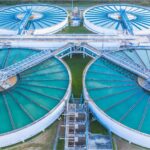
This isn’t marketing — it’s established chemistry. Ozone water purification has been used in municipal water treatment since 1893. The same science applies to your hot tub.
When ozone generators appear to fail, it’s almost always one of these issues:
Many hot tubs come with ozone generators pre-installed, but the UV lamp has a 12-18 month lifespan. If you bought a used spa or haven’t replaced the lamp, the unit may produce little to no ozone. The lamp can still glow visually while producing zero ozone.
Ozone reduces chemicals — it doesn’t eliminate them. You still need a sanitizer residual (1-2 ppm bromine or 0.5-1.0 ppm chlorine). Owners expecting zero chemicals will be disappointed.
A budget UV generator producing 25 mg/hr may not be enough for a large 600-gallon spa used daily. Proper sizing matters — see our spa ozone system guide for sizing recommendations.
Ozone only works when the circulation pump is running. If your spa only circulates 2-4 hours daily, the ozone system has limited time to treat the water. Minimum 4-8 hours daily is recommended.
A failed check valve allows water to flow backward into the generator, destroying it. The generator appears to be running (light on) but produces no ozone. This is the #1 cause of premature ozone generator failure.
Ozone can’t fix fundamentally broken water chemistry. If pH is 8.0+, alkalinity is off, or TDS is sky-high, ozone alone won’t produce clear, comfortable water. Balance chemistry first, then let ozone do its job.
When a properly sized ozone generator is installed and running correctly, you should notice these changes within 1-2 weeks:
| Indicator | Before Ozone | With Working Ozone |
|---|---|---|
| Chemical smell | Noticeable | Minimal to none |
| Water clarity | Good | Noticeably clearer/sparkling |
| Sanitizer consumption | Baseline | 50-70% less needed |
| Foam | Common after bathing | Significantly reduced |
| Skin feel after use | Dry, chemical residue | Soft, clean, no residue |
| Shock frequency | Weekly | Monthly or less |
| Scum line | Regular buildup | Minimal |
If you’re not seeing these improvements after 2 weeks, troubleshoot using our spa ozone troubleshooting guide.
Ozone (O₃) is a molecule with three oxygen atoms. That third atom is unstable and highly reactive — it breaks away and attacks organic matter, bacteria cell walls, and chemical compounds through oxidation.
Key scientific facts:
Yes. The type of generator significantly affects whether you’ll notice results:
Many negative reviews come from budget UV units producing minimal ozone. Upgrading to a quality CD generator often converts skeptics into believers.
| Factor | Without Ozone | With Ozone |
|---|---|---|
| Annual chemical cost | $200-$400 | $60-$150 |
| Ozone generator cost | $0 | $50-$350 (one-time) |
| Annual maintenance (lamp/valve) | $0 | $30-$60 |
| Water change frequency | Every 3-4 months | Every 4-6 months |
| Shock treatments | Weekly ($100-$200/yr) | Monthly ($30-$60/yr) |
| Net annual savings | — | $100-$300/year |
Even a budget UV generator pays for itself within the first year through chemical savings alone.
Many do — most mid-range and premium hot tubs include an ozone generator. Budget models skip it to save on manufacturing cost. However, even factory-installed units need lamp replacement every 12-18 months, which many owners neglect.
Look for tiny bubbles at the ozone injection point during circulation. You may also detect a faint fresh/sharp smell near the equipment. The most reliable indicator is reduced chemical demand and improved water clarity over time.
Most owners notice improved clarity and reduced odor within 3-7 days. Chemical savings become apparent within the first month as you find yourself adding less sanitizer. Full water quality transformation takes 2-4 weeks.
No. Ozone water treatment is backed by over 130 years of use in municipal water systems, FDA approval for food contact, and thousands of peer-reviewed studies. It’s established science applied to your hot tub.
AOP (ozone + UV combined) provides even more powerful treatment but costs more. For most hot tub owners, ozone alone provides excellent results at a lower price point. AOP is worth considering for very heavy use or maximum chemical reduction.
The Delozone Editorial Team researches water treatment, pool and spa, and indoor air products for independent buying guides. We compare products using manufacturer specifications, certification listings such as NSF/ANSI, UL, AHAM and Energy Star, published third-party test data and verified owner feedback. We do not sell products, and affiliate commissions never decide what we recommend.