Physical Address
304 North Cardinal St.
Dorchester Center, MA 02124
Physical Address
304 North Cardinal St.
Dorchester Center, MA 02124


Clean water is not just about filtration or removing visible particles. At the molecular level, water quality depends on complex chemical reactions that neutralize contaminants before they become harmful. One of the most important of these reactions is oxidation. Oxidation plays a critical role in modern water treatment systems, from municipal drinking water plants to residential pools and advanced filtration technologies. Understanding how oxidation works helps explain why certain treatment methods are more effective than others and why oxidizers like ozone, chlorine, and UV-based systems are essential for clean, safe water.
Oxidation is a chemical reaction in which a substance loses electrons. In water treatment, oxidation occurs when an oxidizing agent reacts with contaminants, altering their chemical structure. This reaction breaks down harmful compounds into safer or more easily removable forms. Oxidation does not merely trap contaminants; it actively destroys or transforms them at a molecular level. This makes oxidation one of the most powerful tools for improving water quality across residential, commercial, and industrial applications.
Filtration and oxidation serve different but complementary roles in water treatment. Filtration physically removes particles such as dirt, sediment, and debris. Oxidation, on the other hand, chemically alters dissolved contaminants that filters cannot capture. Organic matter, microorganisms, metals, and chemical residues often pass through filters unchanged. Oxidation neutralizes these invisible threats, making them less harmful or easier to filter out later. Effective water treatment systems combine both processes to achieve superior results.
Several oxidizing agents are commonly used to treat water. Each has unique chemical properties and performance characteristics. Chlorine is the most widely used oxidizer due to its low cost and residual disinfecting ability. Ozone is a stronger oxidizer that works faster and produces fewer harmful byproducts. Hydrogen peroxide and potassium permanganate are also used in specialized applications. Understanding these oxidizers helps clarify why certain systems are chosen for specific water quality challenges.
Bacteria, viruses, and protozoa pose serious risks to water safety. Oxidation disrupts the cell walls and internal structures of these microorganisms, rendering them inactive. Unlike filtration alone, oxidation ensures pathogens are neutralized even if they are too small to be physically removed. This is particularly important for chlorine-resistant organisms such as Cryptosporidium and Giardia, which require strong oxidation to be effectively controlled.
Organic contaminants include body oils, sweat, cosmetics, agricultural runoff, and industrial waste. These compounds degrade water quality and contribute to unpleasant tastes, odors, and discoloration. Oxidation breaks organic molecules into smaller, less reactive components. This process reduces biological demand, improves water clarity, and prevents the buildup of harmful byproducts. In pool and spa systems, oxidation is crucial for maintaining visually appealing and comfortable water.
While oxidation is highly effective, not all oxidizers behave the same way. Some oxidizers, particularly chlorine, can react with organic matter to form disinfection byproducts such as chloramines and trihalomethanes. These byproducts can cause irritation and long-term health concerns. Advanced oxidation methods like ozone significantly reduce byproduct formation by breaking down contaminants more completely before secondary disinfectants are applied.
Oxidation potential, also known as oxidation-reduction potential (ORP), measures an oxidizer’s ability to remove electrons from contaminants. Higher ORP values indicate stronger oxidation power. Ozone has one of the highest oxidation potentials available for water treatment, making it extremely effective at rapid disinfection and organic destruction. ORP measurements are commonly used to monitor and control water treatment systems in both commercial and residential settings.
Cloudy water often results from microscopic particles and dissolved organic compounds. Oxidation breaks these compounds into forms that clump together or become easier to filter. This process improves light transmission through water, resulting in greater clarity. In pools, oxidation contributes to the sparkling appearance that swimmers associate with cleanliness. In drinking water systems, improved clarity enhances aesthetic quality and consumer confidence.
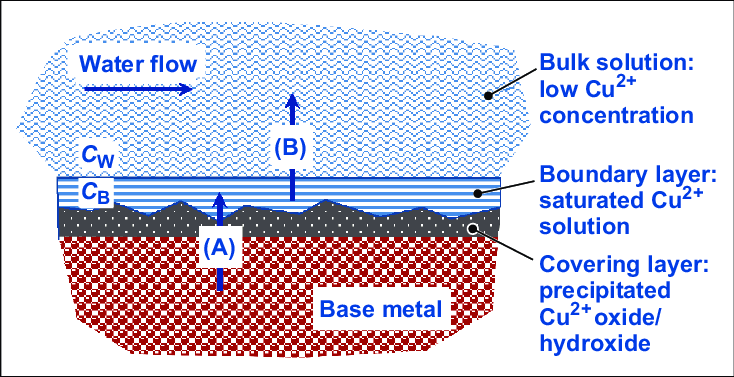
Oxidation plays a key role in removing dissolved metals such as iron, manganese, and sulfur. When oxidized, these metals change into solid forms that can be filtered out. Without oxidation, dissolved metals remain invisible and cause staining, unpleasant tastes, and odors. This is why oxidation is a standard step in treating well water and groundwater supplies with high mineral content.
Advanced Oxidation Processes combine multiple oxidation methods to create highly reactive radicals, such as hydroxyl radicals. These radicals are capable of breaking down even the most persistent contaminants, including pharmaceuticals, pesticides, and industrial chemicals. AOP systems often combine ozone, UV light, or hydrogen peroxide to achieve maximum effectiveness. These technologies represent the cutting edge of water treatment science and are increasingly used in high-performance applications.
Homeowners benefit from oxidation through whole-house systems, point-of-entry treatment, and advanced pool sanitation solutions. Oxidation improves taste, odor, and overall safety without excessive chemical use. Systems that incorporate ozone or UV-based oxidation are particularly attractive for households seeking cleaner water with fewer chemical residues. Proper oxidation also reduces maintenance demands by preventing biofilm buildup inside pipes and equipment.
Commercial facilities rely heavily on oxidation to manage high water usage and strict health regulations. Hotels, gyms, food processing plants, and healthcare facilities use oxidation to maintain water safety and compliance. Industrial applications depend on oxidation to treat wastewater, neutralize hazardous compounds, and protect equipment from scaling and corrosion. The scalability of oxidation makes it suitable for both small and large systems.
Oxidation reduces the need for excessive chemical dosing and minimizes harmful disinfection byproducts. Strong oxidizers like ozone break down into oxygen, leaving no residual environmental impact. This makes oxidation-based systems more sustainable and environmentally responsible. Reduced chemical storage, transportation, and disposal also lower the carbon footprint of water treatment operations.
Despite its benefits, oxidation must be carefully controlled. Over-oxidation can damage equipment or create unwanted reactions if systems are poorly designed. Certain oxidizers require precise monitoring and professional installation. However, modern automated controls and sensors have significantly reduced these risks, making oxidation safer and more reliable than ever before.
As water quality standards continue to evolve, oxidation will play an increasingly central role. Innovations in ozone generation, UV technology, and hybrid systems are making oxidation more efficient and affordable. With growing concerns about microplastics, emerging contaminants, and antibiotic-resistant bacteria, oxidation provides a powerful solution that meets both current and future challenges.
Oxidation is the chemical foundation of clean, safe water. By transforming harmful contaminants at a molecular level, oxidation delivers results that filtration alone cannot achieve. From pathogen control to organic breakdown and metal removal, oxidation underpins modern water treatment technologies. Understanding its role helps homeowners, facility managers, and engineers make informed decisions about water quality solutions that are effective, sustainable, and future-ready.
Oxidation is a chemical reaction where contaminants lose electrons, causing them to break down or become harmless.
Oxidation and filtration serve different purposes. Oxidation neutralizes dissolved contaminants, while filtration removes physical particles.
Ozone is one of the strongest oxidizers used in water treatment, offering rapid and effective disinfection.
Yes. Oxidation damages microbial structures, effectively neutralizing bacteria, viruses, and protozoa.
When properly designed and controlled, oxidation systems are safe and improve water quality without excessive chemical exposure.
James Crawford brings 20 years of hands-on experience in commercial water systems, from aquatics facilities to industrial wastewater treatment. He covers system sizing, regulatory compliance, and evaluates ozone equipment for large-scale operations.