Physical Address
304 North Cardinal St.
Dorchester Center, MA 02124
Physical Address
304 North Cardinal St.
Dorchester Center, MA 02124


Sustainability has become a leading priority for homeowners, and residential pool owners are no exception. Traditional pools require high levels of energy, chemicals, and water, which can significantly increase environmental impact. As more homeowners seek smarter, eco-friendly alternatives, sustainable pool upgrades have evolved into practical, cost-efficient solutions rather than costly luxuries. In this comprehensive guide, we explore the most effective sustainable pool upgrades that actually work, offering actionable insights to reduce energy consumption, minimize chemical use, and conserve water without compromising swimming comfort or hygiene.
Residential pools can consume thousands of kilowatt-hours of electricity each year, use large quantities of water, and depend heavily on chlorine-based products. These factors contribute to high operating costs and environmental strain. Sustainable pool upgrades help mitigate these issues by improving operational efficiency and reducing resource dependence. More importantly, many eco-friendly upgrades now provide measurable cost savings, making sustainability a financially sound investment for long-term pool ownership.
Variable-speed pool pumps are widely recognized as one of the most impactful sustainability upgrades. Unlike single-speed pumps, which operate at full power continuously, variable-speed pumps allow users to adjust flow rates according to different pool functions. Lower speeds are ideal for filtration, reducing energy consumption by up to 80 percent. Many homeowners report significant reductions in electricity bills after switching. Additionally, variable-speed pumps run more quietly, extend the lifespan of filtration equipment, and improve overall circulation efficiency. For most residential pools, this upgrade offers a fast return on investment.
Solar pool heating is an effective and environmentally friendly solution for extending swim season without relying on gas or electric heaters. Solar panels capture heat from the sun and transfer it directly into the pool through a circulation system. While the initial cost can be higher than traditional heaters, operating costs are nearly zero. Homeowners benefit from warmer water, reduced energy bills, and a drastically lower carbon footprint. Solar heating is especially effective in regions with high sunlight exposure, but advancements in solar technology have made it applicable in a wide variety of climates.
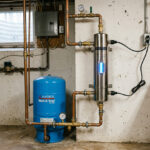
Traditional chlorine systems often lead to excess chemical usage, skin irritation, and harmful chloramine byproducts. UV sanitizers and advanced oxidation process (AOP) systems offer a sustainable alternative by using ultraviolet light or hydroxyl radicals to neutralize contaminants. These systems enable pools to operate with significantly lower chlorine levels while enhancing water clarity and safety. Beyond environmental benefits, UV and AOP systems create a more pleasant swimming experience with softer water and fewer irritants. Although they do not eliminate chlorine entirely, they dramatically reduce chemical dependency.
Saltwater pools offer a cleaner, softer, and more sustainable alternative to traditional chlorine pools. A salt chlorinator converts dissolved salt into chlorine through electrolysis, providing continuous sanitation. This process reduces the need for harsh chemical products and minimizes storage and transportation-associated emissions. Saltwater pools also require less maintenance and generally offer more stable water chemistry. While the conversion process has an upfront cost, long-term savings on chemical purchases often offset the investment.
Pool covers are one of the simplest yet most effective sustainability upgrades. Evaporation accounts for the majority of residential pool water loss, resulting in increased refilling needs and chemical consumption. A high-quality pool cover reduces evaporation by up to 95 percent, helping retain heat and lowering overall energy usage. Solar covers, in particular, add the benefit of passive heating, raising water temperature without electricity. Automatic covers offer convenience and safety, ensuring consistent usage and maximizing savings.
LED lighting offers a long-lasting, energy-efficient alternative to traditional incandescent or halogen pool lights. LEDs consume up to 90 percent less energy and last significantly longer, reducing replacement frequency and waste. Available in various brightness levels and color options, LED lights enhance nighttime ambiance while lowering operational costs. They are also compatible with smart lighting systems, allowing homeowners to schedule or automate usage patterns for maximum efficiency.
If solar heating is not feasible, energy-efficient heat pumps serve as a highly sustainable alternative to gas heaters. Heat pumps operate by extracting heat from the air and transferring it into the water, achieving high efficiency even in mild climates. These systems use significantly less energy than traditional heaters and maintain consistent temperatures without spikes in operating costs. Heat pumps are especially effective for homeowners who value precise temperature control.
Switching from sand filters to cartridge or hybrid filtration systems can reduce water waste by eliminating the need for frequent backwashing. Cartridge filters require less maintenance, deliver superior filtration quality, and use fewer chemicals. Hybrid systems that combine UV, ozone, or AOP technology further reduce chemical dependency and improve water clarity. Over time, filtration upgrades reduce both water consumption and operational costs.
Smart pool automation systems allow homeowners to control pumps, heaters, lighting, and sanitization from a single interface. Automation optimizes system performance, reducing energy waste by running equipment only when necessary. With features like scheduling, load balancing, and remote access, automation makes sustainability manageable and consistent. Many modern controllers can also integrate with weather-monitoring tools to adjust run times based on conditions, enhancing efficiency.
Pool interior materials influence energy retention, chemical demand, and long-term sustainability. Eco-friendly finishes such as pebble aggregate, quartz, and high-durability plaster reflect sunlight more efficiently, warming the water naturally. These surfaces also resist algae buildup, reducing the need for aggressive chemical treatments. Upgrading to a sustainable interior finish improves aesthetics while supporting a healthier pool ecosystem.
Water management is a core component of sustainable pool ownership. Beyond covers and efficient filtration, several practices help reduce water waste:
These strategies contribute to long-term water savings and support a more environmentally conscious pool system.
While some sustainable upgrades require initial investment, many produce measurable returns through lower utility bills, reduced chemical usage, and extended equipment life. Variable-speed pumps, solar heating systems, and LED lighting often demonstrate the quickest payback periods. More advanced systems such as UV or saltwater sanitization offer long-term benefits, both financially and environmentally. When approached strategically, sustainable pool upgrades provide significant value and enhance pool performance.
Homeowners should evaluate upgrade priorities based on pool size, climate, existing equipment, and budget. Typically, energy-saving upgrades like pumps and heating systems offer the highest impact. Chemical-reduction tools such as UV and salt systems improve swimmer comfort and environmental performance. Water-saving tools, including covers and cartridge filters, deliver consistent long-term benefits. By balancing these categories, homeowners can implement a phased sustainability strategy that maximizes results without overwhelming budgets.
Sustainable pool upgrades are no longer niche or experimental; they are proven, practical, and cost-effective solutions for modern homeowners. Whether the goal is to reduce chemical use, improve energy efficiency, or conserve water, the options available today deliver measurable results. By selecting the right combination of upgrades, homeowners can significantly reduce their environmental impact, lower operational costs, and create a healthier, more enjoyable swimming environment.
Variable-speed pool pumps are considered one of the most impactful upgrades due to their ability to drastically reduce energy consumption.
Yes. Upgrades such as UV, AOP, and saltwater systems significantly reduce the amount of chlorine required to maintain clean water.
Some upgrades involve upfront costs, but many—such as LED lighting and variable-speed pumps—provide fast returns through lower utility bills.
Solar heating is most effective in sunny regions but can be used in various climates with proper system design and panel positioning.
Many upgrades can be installed by professionals or experienced homeowners, but complex systems like UV or automation typically benefit from expert installation.
Michael Torres is a certified water treatment engineer with over 15 years of experience evaluating ozone and advanced oxidation systems. He reviews commercial and residential pool equipment and reports on system performance across facilities in North America.