Physical Address
304 North Cardinal St.
Dorchester Center, MA 02124
Physical Address
304 North Cardinal St.
Dorchester Center, MA 02124

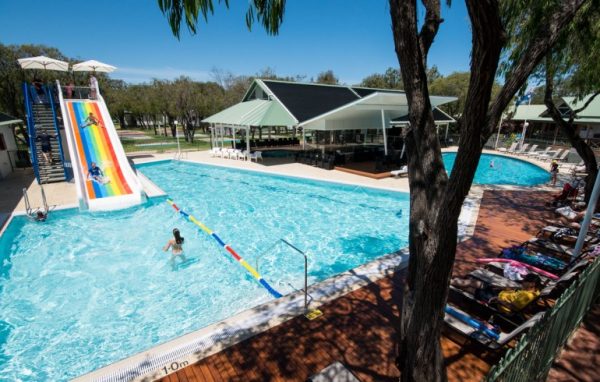

Commercial pools face increasing pressure to maintain higher water quality standards, reduce chemical usage, and create safer environments for swimmers. As operators search for solutions that deliver cleaner water with fewer side effects, ozone pool systems have emerged as one of the most effective modern sanitation technologies. Once considered a specialized upgrade, ozone is now becoming a mainstream choice for hotels, gyms, aquatic centers, waterparks, and municipal facilities. This comprehensive guide explains why ozone systems are being adopted in more commercial pools and how they transform sanitation efficiency, swimmer experience, and operational costs.
Commercial pool operators manage heavy bather loads, strict public health rules, and customer expectations for crystal-clear water. Chlorine has long been the standard for disinfection, but its limitations—irritating odors, skin problems, and chloramine build-up—have become increasingly unacceptable for modern facilities. With rising concerns about airborne disinfection byproducts, indoor air quality, and pathogen resistance, operators seek alternatives that deliver stronger, faster, and safer sanitation. Ozone, already used for decades in drinking water plants, is now recognized as a superior complement to traditional chlorine systems.
An ozone pool system generates ozone gas on-site using either UV light (photolytic ozone) or electrical discharge (corona discharge ozone). The ozone is then injected into the pool’s circulation line, where it rapidly oxidizes contaminants such as bacteria, viruses, oils, and organic waste. Because ozone has a short lifespan, it works within the equipment room and does not remain in the swimming area. Chlorine is still used as a secondary sanitizer to maintain a residual in the pool, but required levels drop significantly. The result is cleaner, clearer water with fewer chemical side effects.
Ozone is one of the most powerful oxidizers available for water treatment, outperforming chlorine, bromine, and many advanced chemical treatments. Its oxidation potential allows it to break down a wide range of contaminants—including those that chlorine struggles to neutralize. This includes complex organic compounds, body care products, sweat, urine byproducts, and pathogens that resist traditional chlorine treatment.
Unlike chlorine, ozone works instantly. It neutralizes contaminants within seconds, reducing the overall microbial load that reaches the pool basin. This provides a critical advantage for commercial pools with high bather volumes.
Chloramines are the irritants responsible for the harsh “chlorine smell” associated with many indoor pools. They form when chlorine mixes with sweat, urine, and organic matter. Chloramines are not only unpleasant—they can irritate eyes, skin, and respiratory systems, especially in children, older adults, and competitive swimmers who spend hours in the pool.
Ozone systems break down chloramines before they accumulate. Aquatic facilities using ozone report dramatically improved air quality, especially in enclosed natatoriums. This makes ozone a preferred option for hotels, fitness clubs, community centers, and therapy pools.
Reduced chloramine levels directly improve the swimmer experience. Ozone systems help deliver:
For competitive athletes, ozone-treated water improves training comfort and decreases airway stress. For hotels and spas, water clarity and feel become major selling points, leading to better guest satisfaction scores.
Ozone excels at breaking down microscopic particles that slip through filtration systems. By oxidizing oils, lotions, cosmetics, and organic debris, ozone reduces turbidity and allows filters to capture finer particles. This results in noticeably clearer water. Many commercial pool operators state that ozone produces “sparkling” water quality that customers immediately notice.
Because ozone handles much of the oxidation workload, chlorine consumption drops significantly—often by 50–80 percent. This reduces:
Additionally, lower chloramine production means fewer HVAC burdens in indoor pools, reducing energy consumption. While ozone systems require an upfront investment, the long-term operational savings often offset installation costs within a few years.
Commercial pools must comply with strict local health codes and meet rising public expectations for sanitation. Ozone offers an additional layer of protection against waterborne pathogens. Pathogens such as Cryptosporidium and Giardia—both resistant to chlorine—are far more vulnerable to ozone oxidation. By reducing overall microbial presence, ozone systems support compliance with updated safety standards and public health recommendations.
Sustainability has become a priority for hotels, municipalities, and recreation centers. Ozone is a chemical-free oxidizer that reduces reliance on chlorine production, packaging waste, and transportation emissions. Less chlorine use also means fewer harmful byproducts flowing into wastewater systems. By adopting ozone, commercial facilities significantly reduce their environmental footprint.
While chlorine remains important for maintaining a disinfectant residual, its shortcomings have become more apparent. Heavy bather loads cause chlorine to form chloramines rapidly, overwhelming even robust chemical feeders. Indoor pools suffer from poor air quality, leading to HVAC overuse and expensive renovations. Maintenance teams must constantly battle equipment corrosion, scaling, and chemical imbalance. These issues make a chlorine-only approach increasingly impractical for modern facilities. Ozone systems enhance overall sanitation capacity and reduce the strain on chlorine, resulting in more balanced and stable operation.
Certain commercial environments benefit significantly from ozone integration:
Facilities with heavy bather loads see the fastest improvements in air quality, comfort, and water clarity after adopting ozone.
The cost of an ozone system varies based on pool size, circulation rate, and system type (UV ozone vs. corona discharge). While the upfront investment is higher than traditional chemical feeders, commercial operators typically see long-term savings through:
Over a 5–10-year period, most ozone systems deliver a strong return on investment, especially in high-traffic facilities where water and air quality issues are most severe.
Ozone systems require regular but straightforward maintenance. Operators must periodically inspect injectors, check gas output, clean off buildup, and ensure proper system calibration. Most commercial-grade ozone generators are designed for continuous operation and offer robust reliability. Maintenance teams often find ozone systems easier to manage than high-volume chlorine dosing systems.
Ozone pool systems are rapidly being adopted in commercial facilities because they deliver superior sanitation, improved swimmer comfort, lower chemical usage, and significant operational savings. As public health standards evolve and customers demand better water and air quality, ozone provides a proven, high-performance solution for modern commercial pools. Whether for a hotel, gym, or large aquatic center, ozone offers a sustainable and highly effective path to cleaner, safer water.
No. Ozone handles oxidation, but commercial pools still use low levels of chlorine to maintain a safe disinfectant residual.
Ozone reacts within seconds, making it one of the fastest and strongest oxidizers available for commercial pool water treatment.
Yes. Ozone stays inside the equipment room and breaks down rapidly, improving indoor air quality by reducing chloramines.
Yes. Ozone is far more effective than chlorine at neutralizing chlorine-resistant pathogens, adding critical protection.
Maintenance is minimal—mainly cleaning injectors, confirming output levels, and performing periodic inspections.
James Crawford brings 20 years of hands-on experience in commercial water systems, from aquatics facilities to industrial wastewater treatment. He covers system sizing, regulatory compliance, and evaluates ozone equipment for large-scale operations.